Ko-fi

Showing posts with label opinion piece. Show all posts

Coveted remunerations from writing . . .


Disclaimer: Monsta Reader is affiliated with bookshop.org and Waterstones. If you should make a purchase through any of the links in this blog, I might earn a small commission from the sale. However, this does not affect the prices of the items, and it does not influence the content of this blog.


I harbour hopes and dreams of making money from my writing. Not just that, but making a career out of it too.

In my teens, I was racked with anxiety and, perhaps consequently, an almost complete lack of confidence and self-esteem. And I didn't even begin to make sense of that until I was in my twenties, so I was kind of distracted in my younger years. I didn't figure out what I wanted from life, including the career path I wanted to take. So, in adulthood, I drifted into jobs that meant very little to me, and I never found myself at the bottom of any ladders that I wanted to climb.

From my youngest years, I had been an avid reader, but I didn't know how to do anything with that. The thought of being a writer didn't even occur to me; books were magic things, created by otherworldly beings, a sort of divine thing that I could never hope to touch! In my council house home, hand-me-down world, such hopes and dreams weren't even considered.


It's no coincidence that this blog concerns itself with books. It is driven by a love for the written word; my love for writing is an extension of my love for reading. And I am addicted!

When I started this blog, I had very few motivating factors, just that I wanted to write and a blog seemed an avenue wide open for exploration. There was, in the back of my mind, thoughts of how I might exploit an online presence in the future, but they were the vaguest of thoughts, not even half-formed. They were but wisps of mist, hanging over the main body of the idea - to write!

This blog, this space, is where I come most to write. I also write poems and little stories, but none have gotten me recognition or remuneration yet. There have been a few filler pieces in magazines published but, overall, in terms of money and recognition, it has to be said, I am a rather unsuccessful writer!

Now, partly, I must shoulder some of the blame for this. Like many writers before me, both great and mediocre, I am prone to procrastination - the great enemy of every writer! And, I am an embarrassingly ineffective self-marketer. Rather than striving to understand algorithms and all that jazz, I have been immersing myself into "How to write . . ." books, and trying to perfect technique and style. I research, write, proofread, edit, rewrite . . . and by the time I get to the marketing, sharing all over social media, and whatnot, I am ready for coffee, cake, and not much else.

Here's the problem - I am a writer, and so, I am trying to perfect my writing. And, as much as I read all about how one can go about being a more effective creator of content for social media, and improve chances of being found through online searches, my heart is only half in all that stuff. The problem is, I don't want to sell, I want to engage. But, we live in a world of CEOs and influencers, I suppose . . . One has to diversify to be successful, don't ya know.


I enjoy writing. It exorcises, it invigorates, it quiets the ego, feeds the soul . . . And I will continue to write, despite the lack of money and recognition. I will write because of all that deeper and richer stuff, and I will write just because I enjoy writing. But I will also continue to hope for, and work towards, a career as a writer. I think I deserve it. I think I am a good writer. Not the best - though I certainly see others whose work I could surpass getting the recognition that I covet - but I am getting better.


Will you do me a favour? If you read a piece, and if it's well written, and well researched, will you share that piece with your friends on social media? If the writer asks for a donation, and you are able to do so, will you give that donation? If you are able to offer a little time, effort, or money to support their efforts, will you do so?

Because, here's the thing; if that piece is well written, and well researched, it might have taken you minutes to read, but it has probably taken that writer hours of their time and effort. And you know, I look around, and I see the articles and the headlines that are obviously just there to get clicks - we all resent them! - but they exist because they work. Because they get the clicks and the support. Like I said, it's a world of CEOs and influencers, and the quality of the writing takes a backseat. But, if we support the good writers (and I don't know if I can lay claim to that title, that's up to you to decide), they rise - when you pay for good writing, you get good writing.


Anyway, if you do that, I swear that I shall try to be a better writer, worthy of the hopes and dreams I hold to me.

Thank you.


Just before you go, can I ask that you please consider supporting this blog with a coffee from ko-fi.com - the caffeine keeps me getting better . . .

Though I am affiliated with booksellers, I resist ad space where it is unnecessary because I would prefer to generate conversation and engagement, rather than sales. Plus, them ads are annoying! Disrupting the flow and what have you . . . !

With writerly ambitions, I throw myself on the support of readers for this blog, and so, if you can, please visit ko-fi.com, where you can offer support, find links to other blog posts, and read other writing efforts.

And, thank you again, readers and supporters!


5 banned books from my bookshelves


Disclaimer: Monsta Reader is affiliated with bookshop.org and Waterstones. If you should make a purchase through any of the links in this blog, I might earn a small commission from the sale. However, this does not affect the price of the items, and it does not influence the content of this blog.


I find it hard to believe that we still live in a world where books are banned (www.theguardian.com) and burned (www.theguardian.com). There is something sinister about a crowd cheering on as books are piled up and incinerated. Scenes like that are weighted by haunting images from ninety years ago. But, even without comparisons like that, it is a dumb, threatening, and violent act. It does nothing to challenge the ideas expressed in the works, it just obliterates them, in a way that can only be taken as intimidating and aggressive.

Of course, there are writings out there that are harmful, there are those that seek to incite hatred. There are those that have written in ignorance and, in their ignorance, potentially justify harmful ideology in the minds of others. What do we do about that, assuming that they ever get past editors and are published? Do we tear them from their platforms? 

You might hope that the ignorant writer never sees their work published or that, when they are challenged, they respond and a healthy debate is developed. One that exposes harmful and ignorant ideas for what they are, and leaves only truth. Alas, I'm afraid that sometimes the ignorant are turned in to martyrs when they are challenged and dethroned. Even fools need a king or queen to glory under, a banner to fly.


Whatever. I weep for the world sometimes, and I yearn for one in which pastors don't burn young adult fantasy fiction in the name of Jesus Christ. Personally, I think the sight of a crowd jeering and throwing books onto an inferno is a greater advertisement for a life without Christianity than anything in those books!


In todays post, I am going to take five books from my shelves which have been banned in the past, and consider them, their contents, and how they caused offense . . .


1. The Adventures of Huckleberry Finn by Mark Twain


"We said there warn't no home like a raft, after all. Other places do seem so cramped up and smothery, but a raft don't. You feel mighty free and easy and comfortable on a raft."

Huck escapes from his alcoholic father by faking his own death, and so begins his journey through the Deep South, seeking his own way, and his freedom. This novel takes in themes of prejudice, bravery, and hope, and is considered a great American novel.

This book came to be controversial because of its coarse language, including the use of racial slurs and the way in which Jim, a runaway slave and key character in the novel, was portrayed. However, there is much in Twain's story that shows he strove to humanise the character of Jim, though this might fall short in the eyes of modern readers. Language in the book, especially the racial slurs, have inspired conversation about how to teach literature, and issues found within, in classrooms. 

You can purchase The Adventures of Huckleberry Finn by Mark Twain here.


2. Lady Chatterley's Lover by D. H. Lawrence


"She had come to the real bed-rock of her nature, and was essentially shameless."

Constance Chatterley feels trapped in her sexless marriage to Sir Clifford. She is attracted to Mellors, her husband's gamekeeper, and she embarks upon a passionate affair with this man, an affair that brings new life to her stifled existence. This is considered one of the most controversial novels in English literature, it is an erotically charged exploration of adult relationships and class division.

How sex, language, and class are explored in this novel has shocked readers since its publication. When Penguin published a full unexpurgated edition in 1960, this novel was the focus of an obscenity trial in Britain. When a verdict of "not guilty" was returned, on 2 November 1960, it led to greater freedoms in publishing.

You can purchase Lady Chatterley's Lover by D. H. Lawrence here.


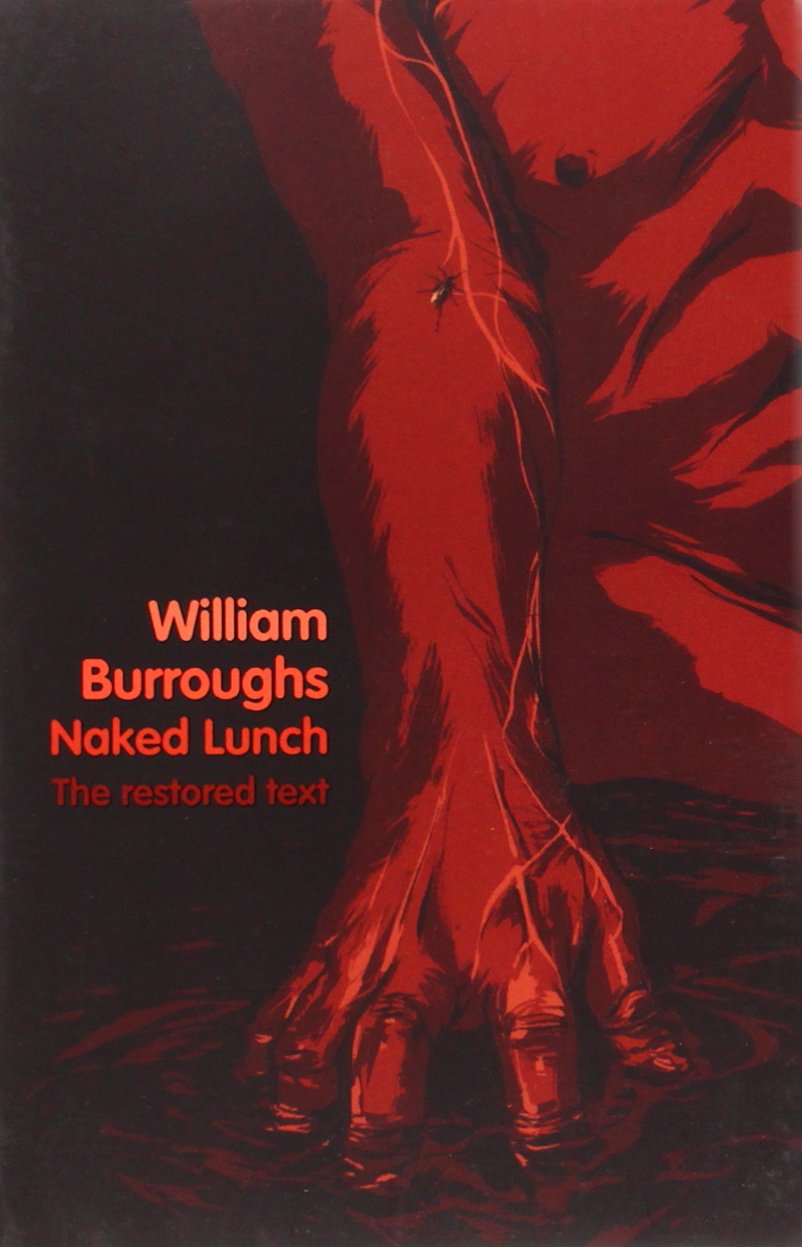
3. Naked Lunch by William S. Burroughs


"Look down at my filthy trousers, haven't been changed in months . . . The days glide by strung on a syringe with a long thread of blood . . . I am forgetting sex and all sharp pleasures of the body - a grey, junk-bound ghost. The Spanish boys call me El Hombre Invisible - The Invisible Man . . . "

J. G. Ballard called this a "rollercoaster ride through hell", and as we follow the protagonist, William Lee, in this loosely connected series of vignettes, violent portraits of a junkie existence, it certainly feels that way. With raw and vivid use of imagery to convey the world in which this character lives, we are drawn into the surreal life of the addict.

There is much going on here in this novel from Burroughs. It takes in themes and images of violence, sex, and drug use; more than enough get a work banned! But, Burroughs was no shock writer - his life was a controversial one, containing within it much of its own drug use and violence.

You can purchase Naked Lunch by William S. Burroughs here.


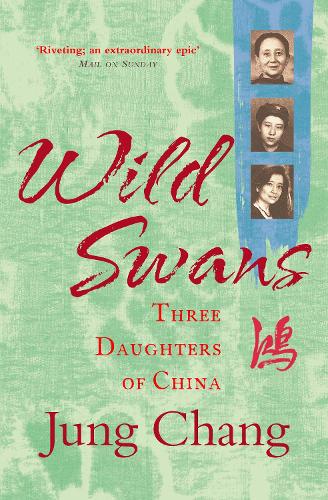
4. Wild Swans by Jung Chang


Unlike the other entries on this list, this is not a work of fiction but a history, recounting the lives of three generations of women. The author, Jung Chang, writes the biographies of her grandmother and her mother, and the book concludes with her own autobiography. In the telling, she takes in what it has meant to be a woman in China throughout the last century, the country's political landscape, and how violence and torture have been used there.

This is history as it has touched upon the author's family; epic and sweeping.

It is banned in mainland China. Obviously.

You can purchase Wild Swans: Three Daughters of China by Jung Chang here.


5. Alice's Adventures in Wonderland by Lewis Carroll


We're all mad here.

When you fall in to Wonderland, you meet some unforgettable characters: the White Rabbit; the Mad Hatter; the Duchess; Tweedle Dum and Tweedle Dee; and the grinning, mad Cheshire Cat, amongst others.

So, why and where was this book banned? Well, in China's Hunan province, in 1931, the book was banned because the censor general was offended by how the animals were depicted. Maddened by how the animals had been allowed the use of human language, how they had generally been raised to the level of human beings, the book was banned.

You can purchase Alice's Adventures in Wonderland, and Through the Looking Glass by Lewis Carroll, with illustrations by John Tenniel here.


Thank you for reading. Just before you go, can I ask you to consider supporting this blog with a coffee from ko-fi.com - the caffeine keeps me reading all those controversial books!

If you can, please do support this blog, with all my writerly ambitions, it really is a great boost. And I thank every reader and supporter, because you keep me going!


Do you know the difference between romance in novels and romance in real life?


Disclaimer: Monsta Reader is affiliated with bookshop.org and Waterstones. If you should make a purchase through any of the links in this blog, I might earn a small commission from the sale. However, this does not affect the price of the items sold, and it does not influence the content of this blog.


Love and the desire to be loved are powerful feelings, and romantic love has been a theme in all sorts of art since ancient times. Unfortunately, I fear, these works can become something of a model for our ideas of love, and how it should be in our real lives. But, just remember, tales about healthy and stable relationships would make awfully dull novels; these are not guides, but entertainment.

There are many books on romantic love which are worth the reader's time. Out of Love (pictured above) is waiting for my attention, on my never-diminishing "to-be-read" pile, and I anticipate an interesting and worthwhile read. But, I think the author of romantic fiction must write well and consider the topic intelligently. However, some will hang their love stories on a formulaic framework and depend on age-old tropes to carry their work. Some might get away with this, but many are just hacks.


The romance novel, like any genre, can find itself relying on a few old tropes. Horror infamously has its own set of well-known and cringe-worthy tropes. 

A lazy romance writer can find themselves following a formula many have used before them. Same old story, different characters. The protagonist meets the love interest; the love interest is clouded in mystery; the protagonist breaks through a little; but, then, the love interest pulls away; the protagonist wins them back, proving their feelings are genuine; but, gosh, then they face another disaster, one which seems insurmountable; however, in a mad dash to, oh, I don't know, the airport let's say, the protagonist wins over, or is won by, the love interest; and so, we leave them, as they stroll off to wherever, we assume happily ever after. The end.

But that isn't real life. In real life, the relationship has to continue after that big moment at the airport. Or wherever. And, as we swoon over romantic heroes and heroines from our favourite novels, it might be worth remembering that, and not making too much of the  romances which exist between the pages. I mean, for a start, how much drama is going on between the love interests!? Jeez! In real life, don't we call some of those those "red flags"?


I do wonder, sometimes, whether the excitement we see in books, films, and on TV gives some of us these ideas that romance ought to be really exciting, and that we look for that too much in potential partners. The spark! The chemistry! The excitement!

You know what I have learned? Compatibility trumps chemistry every time!

In the real world, if you can find somebody with whom you are compatible, you can experience excitement together from a much more solid place. If you try to build something on chemistry and excitement, you're trying to build something on a volatile and unstable foundation.


Idealising the romantic figures of literature is nothing new. I'm sure it's been going on ever since the first lovelorn writer used their despair as inspiration. But we ought not to make too much of them, these dashing and dramatic figures of literature. In the real world, they would probably ruin our lives with all of their bullshit!


I don't know if anyone out there is really building their ideas of romantic love on the stories they've read (I hope not), but I do know there are people out there who focus on chemistry rather than compatibility. Now, chemistry does make for a good story, but it doesn't get you far in real life. That's not to say some passion isn't important, of course it is, but it isn't everything. The chemistry won't help you navigate the choices and dilemmas you face with each other, especially if you're seeking something long-term. It'll be the deeper connections that you have that see you through.


Seek out great romances, in books and in real life. Just remember that whilst all the drama might make for an exciting read, it is bloomin' exhausting in real life!


Thank you for reading. Before you go, can I ask you to consider supporting this blog with a coffee from ko-fi.com - the caffeine keeps me reading romances, and crying over the lack of real romance in my life!

Monsta Reader is affiliated with booksellers, but this space is much more about generating conversation than it is about generating sales, so I resist ad space here as much as possible. However, with writerly ambitions, and the research, writing, proofreading, editing . . . which goes into every post, it would be unrealistic to seek no remuneration whatsoever.

So, I ask that, if you can, you consider a small donation, the price of a coffee, and support this blog on ko-fi.com. I thank every reader and supporter wholeheartedly!


Discover how to get your hands on books without breaking the bank!


Disclaimer: Monsta Reader is affiliated with bookshop.org and Waterstones. If you should make a purchase through any of the links in this blog, I might earn a small commission from the sale. However, this does not affect the retail price, and it does not influence the content of this blog.


Every reader knows the struggle. The fact of the matter is, books are addictive. Nobody who has ever read a book and loved it has ever stopped at just one. But, I don't have a problem! You have the problem! Leave me alone!


Personally, I have become a friend of secondhand books and charity shops. I know that some booklovers want to have their shelves filled with brand new books, all matching, so that their shelves are social media ready, but I am much more interested in the contents of the books. So, I am not too bothered by having odd, mismatched, dog-eared, notated books on my shelves. As long as I can access the words that have made their way, through time and space, to my eyeballs, I am happy.

But, of course, the problem here is that, instead of saving money, buying the same number of books as you would if you bought them brand new, you might just end up spending the same amount of money and buying more books. This leads to another problem that book lovers face - the finite bookshelf space conflicting with your unending desire for more books!

But, let's deal with one problem at a time, shall we . . .


There is a little twinge of guilt that goes with buying secondhand books; knowing that the authors very rarely earn royalties from the sales.

It seems that authors and writers are earning less and less as time goes on. Almost gone are the days when a writer could earn enough to live on from their work as a writer alone, instead they must supplement their income with other jobs.

Authors do, however, earn a modest payment each time one of their books is borrowed from a public library. The Public Lending Right (PLR) provides writers with up to £6,600 a year from library book borrows. It's not an awful lot, but it's another good reason to visit the local library.


If you want my advice, make friends with libraries and secondhand books. I know the purse strings can pinch. But, as you make friends with these invaluable resources, bear in mind how little authors and writers are being paid. And, when you see a campaign to gain writers a percentage from the sale of secondhand books, consider putting your name to that campaign. And, go pay a visit to your local library. Show them they're still needed, and wanted.


Thank you for reading. Before you go, can I ask you to consider supporting this blog with a coffee on ko-fi.com - the caffeine keeps me considering all the ways I can get my hands on books, books, books!

I resist ad space as much as possible - I would rather generate conversation than sales! However, with writerly ambitions and desires, it would be unrealistic to seek no remuneration whatsoever, so I kindly ask readers to consider a small donation through ko-fi.com. And I thank every reader and supporter wholeheartedly!

Want to come behind the scenes of my rather bookish blog?


Disclaimer: Monsta Reader is affiliated with bookshop.org and Waterstones. If you should make a purchase through any of the links in this blog, I might earn a small commission from the sale. However, this does not affect the retail price of any items, and it does not influence the content of this blog.


Behind the curtain . . .


This blog is just over two years old. It's two years and three weeks old, to be precise.

When I published my first post, I had no idea what I was doing. But, I was putting myself out there because I wanted to write, and find readers, and blogging was an another avenue to explore in trying to reach that goal.

But, like I said, I had no idea what I was doing . . .


I didn't know how to promote the blog, or play the game that you're supposed to play for the algorithms and whatnot. I just wanted to write. And, preferably, to be a writer good enough that people would want to read what I wrote.

The readership has grown, but I am not playing with the "big boys". My readership is minuscule compared to what some bloggers see in their analysis figures. Part of that is to do with my still, two years later, not knowing what I am doing. But only partly, because it's also because I still don't want to play the game with the algorithms, and all that nonsense.


You know what I want to do?

I want to write about a subject, a subject about which I feel passionate, and I want it to generate conversation. However large or small that conversation might be. I want a reader to nod their head in recognition of a thought, a feeling, a situation. I don't want to generate sales. I don't want to spend my time poring over the analysis figures, trying to see what performed well, and how many people followed what link. That's nothing to do with writing, and it has nothing to do with books.

"So, why are you blogging? And, why are you telling us about this?"

Good questions. You should come here more often!


Well, as I said, I blog because it provides me with a space to write. I can research a subject, write about it, proofread, and edit the piece, and have it in front of readers' eyes the same day. I don't have to go through a magazine editor, I don't have to navigate a publisher's budget, and all those things. I can present my piece to readers and get feedback from those readers almost immediately.

It's a joy. It really is.

The problem is that it's not very lucrative . . . It pays nothing. Especially if you're a small fry in a pond of big fish. The one's for whom it's all about generating income, feeding the algorithms, and playing the game.


But, I'm not going anywhere. 

Even if only twenty people read this post, and none of those people generate any remuneration, I will still be back at my keyboard, tapping away about books I've read and loved. If two people like this post when I have shared it across the social media platforms I allow into my world - why the hell would I sign up to all of them? Who has time for that? - I will share my words with those people again.

I want connections. So, if you read this, or any other post here, and there's somebody that you think will get it, share that post with them. If you think this is all nonsense - and, this is a bit of a ramble - then don't bother. It's all good. But, whatever you do, do it because it feels right, because you care. Or whatever.

There's so much bland shit out here, the crap that we just scroll past, and sometimes the good stuff just gets caught up in that, and we lose it too. I'm not saying this space here is like that, part of the good stuff that's being unfairly lost in the stream of banality, but I am saying I'm striving to be a better writer and produce good work on a subject about which I feel passionate. Chasing the algorithms will always come second to that. So, maybe I will lose out. I dunno.


If you made it down here - jeez, have you nothing better to do!? - thank you. I guess it's for you that I am writing. Maybe that means something. Maybe it doesn't. I don't know. But, you take care. And maybe come back soon.


Seriously, thank you. If you enjoyed this post, please consider supporting this blog with a coffee from ko-fi.com - the caffeine keeps me writing, and maybe it'll wake me up one day to chasing the algorithms, and embracing the fact we're all just lost in the Zuckerverse anyways . . .

Thank you, every reader and supporter!

Can you relate to that final page sadness?


Disclaimer: Monsta Reader is affiliated with bookshop.org and Waterstones. If you should make a purchase through any of the links in this blog, I might earn a small commission from the seller. But that does not affect the price of the items, and it does not influence the content of this blog.


Do you ever read the last word, of the last sentence, on the last page of a book and feel a little sad? A little loss?

If you're an avid book reader, the chances are that you have experienced, with at least one book, what has been colloquially called a "book hangover". It's that slight sadness that the story is over, the characters are gone, and you can never discover them for the first time again. It's gone forever.


There's something about a good book, a good story. It requires your time and your attention. A really good story might just change your mind about a few things, or at least challenge some preconceived notions. But, then again, it might just hold you tight in its embrace, and reassure you of the goodness of you and life. Whatever the story and its message, if you've found something between the covers that has captured you, it is understandable that, when you reach that last page, you could be left a little shaken.

Often it is works of fiction that have this effect. When the reader goes on a journey with the characters, and the journey comes to an end, and the reader has to go on beyond the book. Has to sort through the feelings the work has left them with.

Good art is supposed to have an emotional impact, or challenge ideas. It is not absurd that you should leave a book feeling a little shaken, or otherwise effected. 

Kazuo Ishiguro, Aldous Huxley, and Jonas Jonasson have all gifted me - and probably some of you too - with books that I didn't want to end. As have many other wonderful writers.


I am currently reading Oscar Wilde by Richard Ellman, a Pulitzer Prize winning biography of the famous Victorian poet, author and playwright. I have read it before, but it is well worth reading again.

I tell you this because some of the books that have most effected me, as I have closed the books' cover on the final page, have been biographies. Almost feeling as though I had lived the life of the subject right along with them - I can only imagine how the biographers themselves must feel! - and that feeling of loss at the last page is keener, for me, because it was real. The people in the pages had lived real lives. Especially when the ending is somewhat tragic, as we know it was for Wilde.

When I was younger I was a little obsessed with Marilyn Monroe for a time, and I read a number of biographies about her. They made me wish that there was a heaven, or that time travel could be possible. I had similar feelings when I read a biography of Bill Hicks, the American comedian, later on. The books left me wishing that I could have met them, or at least see them perform. But then, perhaps that's one of the marks of a good biography.


What about you? Which books have left you feeling a sense of loss? With the joy of having read the book, but a sadness for having reached the end?

Drop some titles in the comments!


Thank you for reading. Before you go, can I please ask you to consider supporting this blog with a coffee from ko-fi.com - the caffeine gets me through those book hangovers, and returning to the keyboard!

Though this blog is affiliated with a couple of booksellers, I have resisted putting ad space in these blog posts as much as possible. I write about books because I have a passion for books - as simple as that. I would prefer that that shines through, rather than this being a space geared towards selling a product to consumers. I'd rather generate discussion that sales.

But it would be unrealistic of me, trying as I am to pursue writing work, if I didn't seek some remuneration for the research, writing, proofreading, etc. that goes into every piece of content. So, if you can, you can support this blog on ko-fi.com - thank you to every reader and supporter! Thank you!


Going through the comments . . .


Disclaimer: should you make a purchase through any of the links in this blog, I may earn a small commission from the sellers, but this does not affect the cost to the consumer, and it does not influence the content of this blog.


The first thing I notice, as I take a look at the comments I receive on this blog, is that I don't receive very many comments on this blog. I mean, I have gotten some, but it's not like I am setting the internet ablaze with bookish conversation.

Is it me? I can chaaaaange!

*ahem*

The next thing I notice is that those people who do post a comment are usually the same five or six people. And I love those people (thank you for engaging!), but I can't help but wonder whether the rest of you are left bored by my bookish blog posts? Did you close the page down before you got to the end? 

If you've made it this far I'm impressed. The internet has, as Bo Burnham put it, "a little bit of everything all of the time"; there's a lot for a humble little book blogger to contend with!

Thirdly, I notice the posts which have been commented on most are review posts. But, they don't take the title in a landslide. Instead they only just edge out the other posts with comments. The other posts being discussions with myself on book related topics (bookish social media accounts to follow, bookish controversies, tips on book blogging, etc.).


My book blog is a bit like my bookshelves - a varied and haphazard assortment of diverse contents.

Sometimes I write a post about a classic novel by Jerome K. Jerome, sometimes I write about controversies in the book world, and sometimes I write a review of a non-fiction book on psychology. I sometimes wonder if I haven't crippled myself a little bit by not focusing on one genre. That way people would know what they are getting and I might have guaranteed myself a larger readership.

But, to be honest, I kind of like the freedom in writing about any and all bookish interests, in writing about all of the books I enjoy reading. It does make it harder to create something of a brand/identity though, something to which people can respond with, "Oh yeah, that's the blog where . . . "

I suppose I could set up a number of blogs, each one concentrating on different aspects of my bookish interests. But, to be even more brutally honest, unless I start making money of of this writing lark, I don't have the time or the energy to invest in all that!


When I started blogging, I had no idea what I wanted to achieve. I enjoyed writing and I wanted to make something out of that. I still do. I think I am good at writing. I am not great, and there are others out there in the great big void that is the internet who are struggling away just as much as me, and getting perhaps even less attention than I am. But, there also people out there who are getting engagement I have been dreaming of and  . . . well, I'm better. I said it.


Okay, so I like writing about classic novels, poetry, and bookish topics of interest. But, what do you like reading about? When you come to a book blog, what do you like to read? What is it that makes you feel compelled to become a part of the conversation?

I would love, love, LOVE to build a something of a little community here, in this little humble corner of the digital space we all come to for comfort, entertainment, and information. Wouldn't that be fun?

Please do leave a comment, share a post with your friends, and come back again soon. I'd love to have you back for more bookish discussions and whatnot!


Links to posts that have received comments from readers . . .

(This is not an exhaustive list)


Thank you for reading. Please do leave a comment and some feedback if you have any, it is very much appreciated. And if you've any questions, I shall do my best to answer them. You can support MonstaReader on ko-fi.com with a coffee - the caffeine keeps me writing and reading through the comments! Thank you for your support and your time!


Wondering what the ultimate solution is to RUNNING OUT OF SHELF SPACE?


Disclaimer: should you make a purchase through any of the links in this blog, I may earn a small commission from the sellers, but this does not affect the cost to the consumer, and it does not influence the content of this blog.


I can't stop buying books.

There are books on my shelves that I haven't yet read, and those shelves are pretty much full. But, still, I've a list of books noted down that I just have to get my hands on at some point. And every time I get an email from Waterstones or bookshop.org or one of the publishing houses, at least half the books mentioned in one of those emails end up being added to the list.

I am fairly certain I will die with books on my shelves that I never read. Of course I will; I buy books quicker than I can read them. It's the curse of the bibliophile!


Why do I do it? Why do any of us do it?

It's almost Sisyphean, right?

The TBR pile that never gets any smaller because, before you've even finished the book you're reading, you've found yourself in a bookshop handing over money to buy two more books that will be added to the pile!

There are books on my shelves that I bought excitedly months ago but still haven't got round to reading because of this habit.

But, the thing is, a book requires time and attention. A book requires consideration and thought and care. Reading a book is more than just taking in the words. Sometimes it requires some note-taking. Sometimes it requires going away to read something else, or visit a website, or contact someone . . . Reading a book can lead to a lot of things, and it takes time.

And in that time I am probably going to end up buying other books as well!


Buying a new book is all about the promise of what waits inside, between the covers. I am not particularly fussed about the beauty of the covers themselves, but the anticipation of discovering the beauty of the words inside . . . Oh!

Having a book on the shelves is having access to new ideas. And new ideas can spark so much. With a new idea, another way of looking at things, you may just end up discovering something wonderful. It could lead to a new project, a new friend, a new career . . . Anything really, depending on the kind of books you are reading. Who knows. There is a lot of promise in a new book on the shelves. And that, I think, is why I can't stop buying them quicker than I can read them. And why I feel wistful when I have finished a book that lived up to that promise; wishing I had savoured and appreciated the writing more as I'd made my way through the book, knowing that I'll never again be able to discover the book anew.


I'm afraid I don't have an answer to the question posed in the title of this post. I suppose I could buy a Kindle. But what sort of joyless existence would that be? I mean, jeez, go visit your local bookshop already. Bezos has made it! He and his buddies have enough money!


Thank you for reading. If you found anything entertaining therein, you can support my writing with a coffee on ko-fi.com because writing for free is fun, but at a certain point you're like, "Wait, I am making an effort here and writers worse than me are getting paid, so . . . " Stuff like that! Thank you - all support is much appreciated!

Drop a 📚 in the comments if any of these authors changed your life!


Disclaimer: should you make a purchase through any of the links in this blog, I may earn a small commission from the sellers, but this does not affect the cost to you and it does not influence the content of this blog.


The book I remember really enjoying when I was young is a book called Now We Are Six by A. A. Milne, the creator of Winnie the Pooh. And though that famous bear is found within the pages of this book, this is not a Pooh bear story. No, Now We Are Six is a collection of verses for children, written by Milne. 

I remember loving the music of the verses, how the words flowed. I think it is partly because of this book that I developed a liking for reading, and an appreciation for poetry in particular. I remember even taking this book to school with me.

Now We Are Six was published in 1927, and the author is very well known for his Hundred Acre Wood creation, but all of that didn't mean much to me; this book, and the poetry inside, was mine, all mine.

For that reason, A. A. Milne, I would say, might very well be the first author that changed my life.


When I was a little older, I discovered Sue Townsend's The Secret Diary of Adrian Mole Aged 13 3/4. I wasn't quite as old as the hapless protagonist when I first read this young adult novel, and I think I felt a little grown up reading a book with naughty jokes, and mentions of politicians and the royal family. It was fun for younger readers, but the writer didn't talk down to her audience. 

I can't help but think that, in creating a character like Adrian Mole, Sue Townsend achieved a master stroke. He is the perfect character for the young adult readership for which he was intended. True, he isn't a particularly heroic or likeable character, but he gives the reader a reason to laugh. And if the reader is navigating that unholy land of adolescence along with Adrian, they may find something within the pages to which they can relate. Though not too much hopefully.


I think the reason that Jack Kerouac's On The Road affected me so much as a teenager is that I wanted to take off on a similar trip. I still do!

The idea of taking off on the open road, and the characters and places and stories that could be found there, seemed kind of romantic and dangerous. And to find that it was based on the author's own real life experiences made it all the more appealing. I very much understood the desire to head out into the world, seeking something more than what seemed to be on offer.

From Kerouac, I sort of fell for the Lost Generation. I had a thing for the 1950's/1960's anyway, having been fascinated by Marilyn Monroe and James Dean, and that whole era of Hollywood and New York. But the beat writers were like the punks of that generation; they wrote in the voices they wanted/needed to hear. They created work that spoke to the people that weren't being spoken for on the cinema screen. And I love those writers and artists that see the unseen. I felt a bit unseen myself, maybe that had something to do with my appreciation.


As I draw this post to close, I want you to know that this list is not an exhaustive one. I could consider so many more writers to include in this piece. However, I am going to conclude this post with A Clockwork Orange by Anthony Burgess.

I first found this novel when I was a teenager, in the school's library. And I was shocked by it and I was intrigued. It was, I think, the first book I had read that explored such adult themes in such an unflinching way. The imagery and themes were violent and graphic, and I realised that books could be a safe space to tackle those subjects that people perhaps don't like to discuss.

It was also the first book, I think, where I found a writer playing with language and words in such a way. That in itself was fascinating to me.


And so, that is my brief overview of some of the writers, and the books, that have changed my life. You can buy the books mentioned in the links below. If you enjoyed this read, you can buy me a coffee on ko-fi.com - the caffeine keeps me reading life changing books and then writing all about them here! Thank you!


Where to buy 

Now We Are Six by A. A. Milne - bookshop.org

The Secret Diary of Adrian Mole aged 13 3/4 by Sue Townsend - bookshop.org

On The Road by Jack Kerouac - bookshop.org

A Clockwork Orange by Anthony Burgess - bookshop.org


Life and book blogging . . .


Disclaimer: If you should make a purchase through any of the links in this blog, I may earn a small commission from the sellers, but this has no impact on the cost to the consumer and it does not influence the content of this blog.


It has been about a month since I last posted here. And it's been a pretty draining month.

For my family, the last month has consisted of a funeral, two birthdays, and holes in the ceiling. A lot has been happening and sometimes things fall by the wayside. Blogging doesn't seem all that important when you're trying to be there for family, or you're trying to juggle the everyday stuff.

But, books are still present in my life. They have been one of those constants . . .


A little bookish concern . . .

The other day, my mum told me a little story. She had had an exchange with my niece via one of the social media platforms, I forget which one, and my mum asked my niece whether she was still as avid a reader as she had always been. But, as it turns out, my niece feels that she cannot read as much as she used to because the schoolwork that she is given keeps her from doing so. And, to me, that is pretty sad . . .

I just thought I would bring that up because, well, here we are on a book blog, and it seemed an absurdity to me that school, of all things, should be keeping kids and teens from reading! What do you think? Sound familiar?


Book blogging self doubt . . .

I think that I am a good writer. What do you think?

I don't think that any of the greats are under any threat of being knocked from their pedestals because of what I am doing, but I think that I am decent enough. And, to be honest, I look at what I am doing, what I am capable of, and I think I am quite a bit better than others who get more recognition than I . . .

Perhaps I should stop there on that one, before I move completely and unforgiveably into bitterness!


I think though that the lack of recognition might be one of the reasons that it's so easy to let this whole blogging gig slide for a while when life throws me some challenges. I look at some of the figures other bloggers report for their visitor numbers and I think, "Shit! Really! Halve that, halve it again, and we're still not hitting the embarrassingly low number of people that are visiting my rather bookish blog!"

So, tell me, is it me? Am I doing something wrong? If you are reading this, what can I do for you that will improve the chances of you sharing these little rambling and rather bookish ponderings?

And, as for monetising my efforts? Jeez, don't get me started! I see people paying for articles that are not as well written as my own. And, I think that some of this stuff I tap onto my screen and throw out into the ether of the internet is enjoyable, entertaining, or informative. Some of it is just filler, I'm aware of that. But still, decent filler is still worth something.

Maybe I should stop giving anything away for free? But I don't want to do that because this is also about reaching out, finding a community . . .

Oh, I don't know . . .

Fill in this clueless bookish blogger in the comments.


Life, and books, and writing, and other things . . .

I'm trying to start up a business (copywriting). A funeral (I'm not going into it here - I don't feel the need and, to be honest, I'm not going to write about it purely for engagement). Two birthdays. Holes in the ceiling (pipes and plumbers) . . .

Books and writing are still there in my life. Even when life is throwing shit at us, books are still there. And I don't know exactly why I can't let them go. Maybe it's just a habit. Maybe it's a crutch. Maybe if I really threw it under a lens I would see it for what it really is and learn a little more about myself. But, I can't be bothered with all that right now. I've got enough going on. 

I am just happy that I have the time and space in my life for books and writing. Even when life and doubts and questions are flying around me, books and writing are there. And I guess I will keep them even if no one is paying attention.


If you made it this far, thank you for reading; I am truly appreciative of your time and your attention. If you enjoyed this piece, you can buy me a coffee on ko-fi.com - the caffeine keeps me reading, writing, and navigating all of life's highs and lows.

How to read more diversely!


Disclaimer: should you make a purchase through any of the links in this blog, I may earn a small commission, but this has no impact on the cost to the consumer, and it does not influence the content of this blog.


In recent years, I have increased my efforts to be a little more diverse in what I read and add to my bookshelves. And by this I mean not only that I am attempting to read more books authored by people who aren't white men, but also that I am trying to step a little further away from my comfort zone by dipping my toes into genres I might otherwise have ignored.

This is not an endeavour to win woke points, and I don't think anyone should be browbeaten into reading books that are considered righteous, nor do I believe anyone should be made to feel ashamed of books they do read. We might ask questions, but that's one of the reasons we read in the first place, right? To explore themes, issues, and have conversations?

For myself, I have never been the sort of reader that leans heavily into one genre over another and on my shelves you'll find Shakespeare's sonnets right through to modern day best-sellers. However, there have been genres of which I would steer clear. Not for any particular reason, just that I didn't really think they had anything for me.

Books like A Ration Book Wedding by Jean Fullerton, for example, would never have found there way on to my shelves. I am a chap after all, and I have had a preference for stories of adventure over stories of love in the past. But now that book, along with others exploring the themes of love and relationships, have come to occupy my shelves.

I understand entirely that people will want to read for comfort, for escape, and for pleasure. I read for those reasons, and when those are my reasons for turning to my bookshelves I might not be particularly interested in diversity. I might just want to pick up a book I enjoy and let the world go to hell! But, as I say, I've no interest in browbeating anyone into adding books to their shelves that they would have no interest in - this is just a friendly exploration of ideas.


How do I read more diversely?

  • Sign up to newsletters from your favourite bookshops and get all sorts of recommendations sent directly to your email inbox! (And give them real consideration - don't scroll through just because it's a genre you wouldn't usually bother with).
  • Read reviews, and get excited by them. Yeah, you might take a risk on something you wouldn't usually read and be disappointed. But you could be equally disappointed, if not more so, by that author you always read who writes a dud!
  • Follow book bloggers who write about their favourite genres. If you want to get into horror, follow a horror fan. If you want to get into romance novels, follow a fan of romance novels. If they are passionate enough about the genre that they spend their time and effort writing about it they might just know what they are talking about.
  • Follow bookish social media accounts. Mostly for reasons similar to those in the preceding bullet point.
  • If you have favourite authors on your shelves, do a little research and look at who their favourite authors are in turn. Many writers read diversely in the pursuit of being better writers and improving their craft. Through your favourite writers, you might just get turned on to something you hadn't considered before.
  • There are other ways, but to finish this bullet point list I will conclude with probably the most important point I can think of - just be a little bit more open. Even if you endeavour to try and read only those books that make you feel comfortable, you'll never get to read them all. You can easily spare some time, money, and effort and take a chance on something different. You may discover a gem you might have otherwise missed.

Well, that's my little rumination on reading diversely done with. I hope you enjoyed it or found something useful therein. If so, you can buy me a coffee on ko-fi - the caffeine keeps me reading and writing! Thank you!

This is what happens when you don't use it! (Spoiler : you lose it!)


Disclaimer: if you make a purchase through any of the links in this blog, Monsta Reader may earn a commission from the sellers. However, this has no impact on the cost to you as the consumer, neither does it influence the content of this blog.


Recently, I returned to a book that has been on my shelves for a little while; Elisabeth Smith's Fast-Track Russian, from the Teach Yourself range of educational books. I had no reason for learning some basic Russian when I bought the book, just an interest in trying something new. After buying the book, some years ago now, I went through the book once, and then it returned to my shelves and, as far as I can recall, wasn't disturbed again until a couple of weeks ago.

Elisabeth Smith's Fast-Track Russian

Elisabeth Smith has written a number of books for the Teach Yourself range. In fact, to quote the blurb on the back of my copy of Fast-Track Russian, "Elisabeth Smith has published more than 30 books, CDs and DVDs in 11 different languages. She has taught audiences all over the world." 

And, in this book, the author sets out a course which, if the reader follows the structure of said course, can have the reader speaking Russian in just six weeks. Not fluent Russian, of course. But just enough that you might be able to get by in a casual conversation or two in a Russian speaking part of the world.

When I tried to learn Russian from Elisabeth Smith . . .

I decided fairly early on that I would not strictly follow the course, which was probably my first mistake. Other people's structures and designs on my time are anathema to me. And, besides, my own approach seemed to be working just fine. For a while.

I think I was about half way through the book when I realised I was losing interest. Not that I stopped. I endured. But it became much more noticeably a chore than it had been when I started the book. I kept on at the lessons and reached the end of the book, but it was more about enduring than enjoying the process by the time I reached the end. However, this had nothing to do with the book itself. I just had no opportunities to use what I was learning, you see. And so, many of the words and rules waned and faded in my mind.

The result

I can probably pluck a few disparate Russian words from my memory and construct something resembling a sentence. But someone for whom Russian is their first language may find me hard to understand. Some English speaking people find me hard to understand though, to be fair, so . . .

As I read the book, I had some successes with the tests and progress tracking exercises within. But, I'm afraid, much of that has passed from the surface of my mind down into the cellar levels. There they are, the words and rules, gathering dust like bottles racked. Perhaps I could go down there and pluck them out if I should need them. But, the problem is that I just don't have much need to use them. I fear that, unlike fine wines that improve with time, the knowledge I have acquired and bottled in my mind's cellar, may be more like milk, and if I go down there to open up a bottle after too long, I will just find a lumpy and off-putting mess.


If you enjoyed this little piece of ponderous pondering, feel free to buy me a coffee on Ko-fi - all support is appreciated because it keeps me writing and blogging! So, thank you!


When books cause offence and how we work through those feelings!


Disclaimer: should you make a purchase through any of the links in this blog, Monsta Reader may earn a commission from the sellers, but this has no impact on the cost to the consumer and it does not influence the content of this blog.


To begin with I have to confess that, until recently, I had not heard of Kate Clanchy or her memoir. That was until I became aware of a discussion surrounding that particular work taking place on Twitter, and the reaction that it had inspired from Philip Pullman on that social media platform.

Since having heard of the author and the book, what I've heard has not made the memoir particularly attractive to me; with problematic language concerning race, people with disabilities, and class having been highlighted by writers and readers. The passages have been reported on widely now and I won't reproduce them here but, to my eye, they read more like passages from a book that might have been written fifty years ago.

Perhaps though, that is a misconception that I have the luxury of being able to labour under, because I do not see the presence of these attitudes today as much as I might if I weren't looking at the world through white and able eyes. I am fairly certain that I have said, done, and thought extremely foolish things exactly because I have sometimes been stupid enough to not consider the other point of view and the experiences of others. I hope though that I am learning better.


No, I haven't read the book at the centre of the controversy so what I can say about the work is limited by that. However, I did become aware, after the fact, of the abuses directed at writers such as Monisha Rajesh and Dara McAnulty online. And that saddens me, as it should.

I have always thought that the bookish side of Twitter was relatively unproblematic. A friendly and welcoming space. One does like to think that the bookish are a considerate and intelligent bunch. But, alas, it seems that isn't always the case.

Instances like this have the power to highlight wider problems. When the language used in the memoir was pointed out as problematic, it was a gifted opportunity for the author and readers to listen and learn. Instead, the author chose to deny and refused to engage initially. Other writers sprang to her defense and were dismissive of the issues raised. This perhaps encouraged the abuse that followed, directed at those that had highlighted the offensive passages.


According to a poll from 2017, the vast majority of the publishing industry identifies as white. A fact that is very telling. It suggests that it is the white perspective that is still very much getting represented in the literary world, and that perhaps works are passing in front of eyes that might miss offensive and problematic content because of what they do not see.


There are those that will argue the point at any hint someone is trying to censor books or dictate what can and can't be said by writers. And this is understandable; censorship and erasure of literary works has its own problematic and horrific history. However, it would seem nobody who highlighted the offensive content in this book was seeking the book be banned, taken from shelves, or pulped. Instead, they seem only to have sought to shine a light on why they had taken issue with the language of the book. They sought only to ask the questions that needed to be asked. And perhaps they hoped that by having the discussion they could draw attention to a still present problem.

However, rather than being heard and considered, their attempts were dismissed. It's a bad habit that we white readers and writers must break. After all, we are not the only readers and we are not the only ones harbouring writerly hopes and ambitions.


As I write this, I am aware that there is possibly much that I haven't touched upon, that which deserves time and consideration. I write this piece as a book lover, as someone who puts a lot of stock in those who are writerly and bookish. I have the luxury of not being directly impacted by the words and passages written in the book, because I have the luxury of never having been subjected to dehumanising language from others based on my race or a condition with which I have been diagnosed. I am also aware that I may have gotten things wrong myself. I hope that I haven't, because I wouldn't want to cause hurt to anyone reading this, but if I have, I hope that I can learn better.


If any of the preceding is written poorly, please do forgive me. I had my second dose of the Pfizer vaccine yesterday and it left me a bit more tired than usual. Still, I will take tiredness and a decline in quality of writing for the vaccination. However, if you have any criticisms then please throw them my way. If you have any praise, I will happily take that too! 

Thank you for reading.

If you found any value in this piece, you can buy me a coffee over on Ko-fi; it turns out that once you reach a certain age, you don't get lolly pops for getting jabs any more, but I'll take a coffee for writing instead! All support is gratefully received; it keeps me writing, so thank you!


Of course you hate the film if you love the book that much!


Disclaimer: should you make any purchases through links in this blog, Monsta Reader may earn a commission from the seller, but that has no impact on the cost to you as the consumer and it does not influence the content of this blog.


Whenever a book gets the big screen treatment, you can almost take it for granted that you will see the book published with tie-in movie artwork on the cover. As with the example above. And, I get it; if you have a book in your stable that's been turned into a big successful summer blockbuster type film, that's a whole host of potential readers that might not have bought one of your books before. I would take advantage of that!

"Now a major motion picture!"

Indeed.

Then we come along; the serious book readers. The ones who snort with derision, and say, "Well, I read the book before I saw the film, so there." 

God, we must be annoying . . .

Because, the thing is, isn't comparing books and films a pointless exercise? Kind of redundant? I mean, they are two very different ways of telling a story. That's why they both exist.

I make the comparisons though, and I ask that question - "Was the book better than the film?" Or vice versa. 

Yesterday, I was in a car with a friend of my sister's, and I found myself having to admit that I haven't read Trainspotting by Irvine Welsh. But I have seen the film. And, I asked the question then; how do they compare?

How silly of me!

I must have forgotten that it is damn near impossible to translate a story from book to screen one-hundred per cent faithfully. I mean, if filmmakers were to do that, we'd get a lot of adaptations that had run times of hours and hours! I must have forgotten that books, by their nature, have the time and space to flesh out characters in a way that film just can't. That if some of those scenes from the book were included in the film, the film would drag in the middle. Etc.

Still, I understand the temptation. When someone takes the characters and the story that you have loved, that you have immersed yourself in, and made a part of yourself, you want to see them treated well. 

Or, maybe, I am overthinking this. I don't know.

What do you think??? Tell me in the comments, and share this with your friends (both the bookish and the film buffs) and see what they think. 

Thank you for reading. If you enjoyed this piece of rambling pontificating ponderings, please consider following/supporting me on ko-fi so that I can keep writing here, and anywhere else that the likes of me might be allowed to do his thing!


This Rather Bookish Blogger Needs More Women Authors on His Bookshelves!


Disclaimer: should you make any purchases through links in this blog, Monsta Reader may earn a commission from the sellers, but that has no impact on the cost to you as the consumer, nor does it influence the content of this blog.

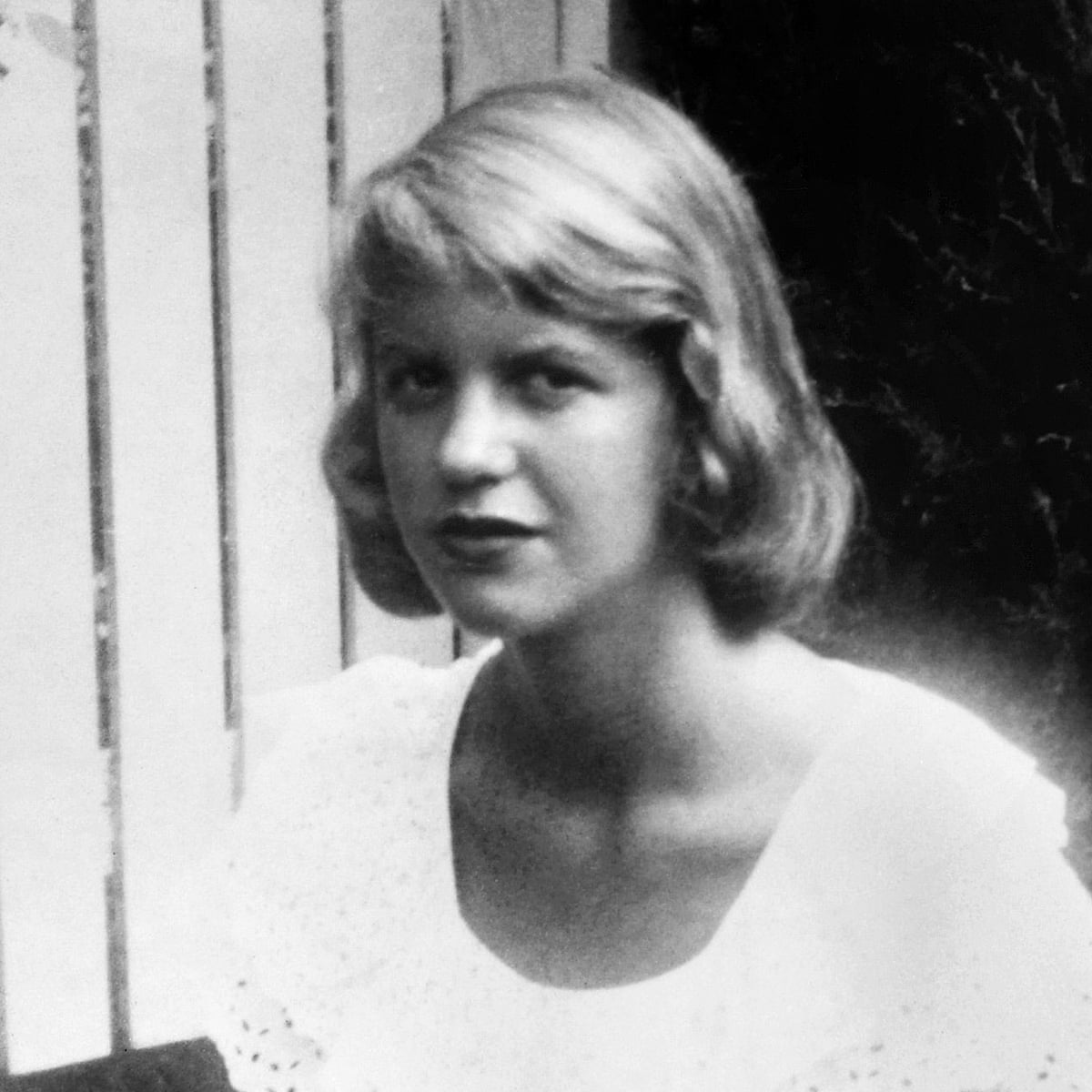
I loved Agatha Christie's novels when I was younger. Still do, as a matter of fact. And, I've read Charlotte Brontë's Jane Eyre much more than once, finding much within those pages. And, Sylvia Plath's (pictured above) writing is violent, and beautiful, and sad, and hopeful, and so much more. And, Patricia Highsmith has written some of the best crime/suspense fiction that was ever written . . . There are many talented women writers out there!

And, I thought I was doing pretty well in the diverse-bookshelves stakes. But, as I peruse those shelves, I can't help but notice any given shelf is mostly populated by books written by male authors. How come?

Perhaps it has something to do with a desire to see a little of myself reflected in the books I read, other male voices. I suppose that's a valid reason to enjoy and find meaning in a pastime and a passion; seeing something of myself in the words on the page can feel reassuring. And, I know that I am not the only one that enjoys a book because it offers a little comfort, acceptance, and validation. Being male is a part of my experience. My relationship with my gender isn't totally straightforward . . . but I might save that for another time. Another place. Or not.

There are no shelves without any female voices on them. But the male voices do outnumber them by a little way. And, as I say, it isn't because I am put off by women authors. So, here's my question, which books, written by women authors would you recommend to me? To anyone really? 

A few books written by women I wholly recommend!

The Five by Hallie Rubenhold - Non-fiction; a look at the lives of the women killed by Jack the Ripper. And, a book that asks, why have we made famous this monster? More famous than any of the women who met their ends at his hands in 1888?

Frankenstein by Mary Shelley - Mary Shelley was only nineteen years old when she wrote this chilling and classic tale! We've all heard of this story, a young scientist's desire to create life!

The Miniaturist by Jessie Burton - (I wrote about this one here) We meet Nella Oortman, eighteen years old, newly married in the Amsterdam of 1686. What follows is a story of secrets slowly revealed and the dangers that can unravel along with them.

Jane Eyre by Charlotte Brontë - I am no bird; and no net ensnares me; I am a free human being with an independent will. Meet Jane Eyre, a young orphan determined to not be defined by her unfortunate circumstances.

Murder on the Orient Express by Agatha Christie - The famous Orient Express is stopped in its tracks by a snowdrift. And, with a killer onboard and a passenger lying murdered in his compartment, we might be thankful that Hercule Poirot is there to exercise his little grey cells! Mon Dieu!

The Diary of a Young Girl by Anne Frank - this book has been read by tens of millions of people. It is humanity in the inhuman. It is hope where there was hopelessness. It's life where there was death. A must read.

Eleanor Oliphant is Completely Fine by Gail Honeyman - Meet Eleanor Oliphant. She is fine. But not really.

The Unlikely Pilgrimage of Harold Fry by Rachel Joyce - Harold Fry leaves the house to post a letter, his wife is upstairs, but then he reaches the post box and he keeps going. He just feels a need to keep walking.


I hope you found this piece enjoyable or informative. If you did, perhaps you'd follow/support me over at Ko-fi, so that I can focus on writing and bringing content such as the preceding. All support is gratefully received and very much appreciated!


The Success of Inspirational Books, Read by Hollywood Stars and Blue Collar Workers Alike!


Disclaimer: should you make a purchase through any of the links in this blog, I may earn a commission from the sellers, but that has no impact on the cost to you as the consumer, nor does it influence the content of this blog.


When I check what's trending on Twitter, most of the time, it feels as though I have descended into a pit of misery. It's like taking a shot of anxiety straight to the brain! And yet, for some reason, one of the first things I feel a need to do in the morning, within minutes of opening my eyes sometimes, is run through that list of bitterness and despair. Don't know why. But, I do know that I am not alone; articles, books, and documentaries about exactly how bad for us social media and our phones can be abound!

And, it's not just social media, the whole world seems kind of in a mess. The environment's kind of fucked, and we aren't doing enough about that (if only nature would give us a hint that it doesn't want us being quite so intrusive . . .); then there's politicians swinging their dicks around (in most instances, only figuratively speaking, thankfully); and, for some reason, people can still be driven to histrionics by the thought of someone, somewhere, not necessarily someone they know, engaging in consensual acts of love and sex that aren't strictly heterosexual (I dunno, you'd have thought they'd have more pressing things to be concerned about, but there it is!).

It's enough to make you want to never leave your bed!


With all that in mind, it's not hard to fathom the appeal of inspirational and motivational books. Those books that make us stop and consider the way we think and behave. Perhaps, just perhaps, there are other things we could be doing? Or, maybe there are things we should be letting go of? The answers out there somewhere, right? Right??


As someone who has spent nights awake, with thoughts in my head ugly like stagnant standing water, you can be sure I have my fair share of inspirational books on the subject of mental wellbeing. Because, thankfully, the discussions around mental health and wellbeing are just about beginning to become less taboo; the stigma is being questioned! 

Perhaps one of the best known authors writing about mental health, including his own struggles, and the successes, with regard to his mental health, is Matt Haig, the English novelist and journalist. When his book, Reasons to Stay Alive, was published in 2015 it was received to generally positive reviews. And, in those reviews can be found declarations of real thanks for a book about mental health written in such a frank way. Sort of memoir, definitely inspirational, this book takes a look at living with mental ill health, and how that doesn't have to mean being condemned to a life forever bleak.

On a personal note, I am thankful for the likes of Matt Haig. Men in the public eye who stand up and say, I struggle. And, that's okay. The discussion around male mental health, and why it is that men don't get the help they need is something we still need to work on; suicide has been the biggest killer of young men in the UK for a long time and, according to statistics, men appear most at risk of death from suicide.

Mr. Haig has written of the therapeutic power of writing, and the reading is pretty damn good for you too!

Of course, mental health isn't the only aspect of our lives that we might want to consider on the path to happiness, health, and a fulfilling life. But, it's a pretty good place to start!


In an age where we seem to be drifting from one screen to another, there's apparently an increased interest in wanting something more. Or, maybe something less. I've read plenty of pieces on the benefits of giving up smart phones, and returning to older models. Or giving up mobile phones completely (is such a thing even possible!). Then there's the abundance of books concerned with mindfulness, meditation, and the benefits of being in the moment. And, hygge. Remember hygge? I think it's safe to say we are looking for something.


One of the books in my "to be read" pile is How to do Everything and be Happy by Peter Jones, a practical look at how to get the most out of life without overburdening yourself and, as it says on the cover, be happy. You'd also find, as you nosed along my shelves, a copy of Happiness by Design by Paul Dolan, which I've read (in the wake of a relationship falling apart). Both, in their own way, suggest the benefits of finding balance in our lives; the balance of pleasure and purpose, and not trying to overload those scales.

So, maybe we just need to stop, take a breath or two, and get some balance back into our lives. Sounds good to me. Maybe, if we could do that, learn to stop, just now and then, we might all calm down a bit, and the Twitter trending list wouldn't be quite so fevered, and riddled with fearful/hateful knee jerk reactions.


Recently, a copy of Mae Martin's Can Everyone Please Calm Down? arrived in the mail. And, though I would hesitate to call it a self help book, the author does hope for a more considerate and considered conversation about sexuality. Like mental health, a subject that seems to, gradually, be something we can see our way to talking about openly. Sort of. As the blurb reads, Mae's mission is to ensure that in a world that's full of things to worry about, who we choose to kiss should not be one of them. And when it comes to sexuality, she asks: CAN EVERYONE PLEASE CALM DOWN? 

A couple of years ago, I watched Mae Martin's Comedians of the World special, on Netflix, and enjoyed it, but then forgot about it mostly. (Sorry, I was drinking my way through an unhealthy relationship and unaddressed mental issues at the time). But, Martin's work came to my attention again (once the relationship was over and I was beginning to get my shit together) and I have gotten to be a little bit obsessed. Not in a worrying way, mind. It's all good. But, yeah, she can write a book about as well as she can stand-up and TV, so . . .

To put it simply, I very much recommend Mae Martin's book. And, though this blog doesn't really concern itself with television, you should also check out Feel Good on Netflix! It's so good. I am delaying watching the final episode for myself because once it's gone what the hell am I supposed to do? Go outside? Watch something else? Pfft!


Links to a few inspirational books


If you enjoyed this piece, please consider following/supporting me over on my ko-fi page; Ko-fi is a platform for creative types and the people that follow their work. All support is gratefully received and very much appreciated!

Thank you, see you again soon. Stay safe. Be well. And, read lots of good books!

Author earnings and other bookish concerns.


In a previous blog post, I visited the topic of how authors get paid. It wasn't, I think you'll agree, an in depth look at the topic, but it is something of interest to me. And, it should probably be a topic of interest to you, if you read books. And, if you're reading this blog, you probably do read books.

Unless you've taken a wrong turn somewhere out here in the vastness of the internet . . .

Authors, generally speaking, earn far less than the minimum income standard for their writing, and rarely is it the case that a writer is able to work solely as a writer, to be able to afford a decent standard of living. There are many instances of writers earning more from giving talks than they do from sales of books. Even then, being a writer is not the profession to opt for if you want to, you know, earn enough money to live off. It's a damn struggle.

When I came across this article in The Guardian (01/06/2021), about a new initiative to get authors earning royalties from the sale of secondhand books, it put a smile on my face. And, you do wonder, when you think about it, why it hadn't occurred to anyone before now.

Out of a necessity to budget, and my bank account being almost perpetually overdrawn, I have often opted for a secondhand book when drawn beyond my will to making another book purchase. And, being slightly aware of how authors earn royalties from sales, I have felt guilt because of that. Though, I shouldn't have to - no one should be priced out of access to books.

I fully support the initiative to get authors royalties from the sale of secondhand books. We need to support our authors as much as we can. Authors don't earn enough for the time and effort they put into their work, and they earn less, on average, than they did just ten years ago. As readers, we need to support them. Otherwise, you lose it.


As an aside, I also believe in supporting independent bookshops. I know the local Waterstones is convenient, and they have some nice little gifts too. I know that Amazon isn't going anywhere. But, we need more than that. We need bookshops whose identities are informed by the local community in which they have come to being, we need bookshops that support local economies, we need bookshops that are concerned with more than the company brand. 

I have allowed myself a link to the Waterstones site on this blog because I have shopped with them. But, it's just the one general link on the home page. Every link, in every book review blog post, that takes you to the specific book being discussed in that post, takes you to bookshop.org. It just sits better with me to recommend a site that supports local bookshops. Because, after all, Mr. Bezos and his ilk don't need any more money.

Though some of his employees could do with a little more . . .


As book readers, we are also consumers. We are supporters of those authors that line our bookshelves. Those authors who sacrificed house work, time with loved ones, and days out so they could get that work out of their head and onto the page, never really sure that anyone would ever read it. But, they persevered nonetheless, and they put hours, days, weeks, months, or maybe even years, into writing and editing. And, they can still end up getting paid a pittance.

I don't always shop as ethically as I could. But, I try, and being aware is a pretty good place to start.


If you enjoyed this piece, or even found it useful, please do consider following/supporting me on ko-fi. Ko-fi is a platform specifically for creatives, and it's a great way to keep up to date with what your favourite creatives are up to. All support is gratefully received.

Thank you, and see you soon.