Ko-fi

Showing posts with label Aldous Huxley. Show all posts

5 ways to write a protest novel

 Disclaimer: Monsta Reader is affiliated with bookshop.org, and Waterstones. If you should make a purchase through any of the links in this blog, I may earn a small commission from one of these sellers. However, this does not affect the cost to the consumer, and it does not influence the content of this blog.


1. Native Son by Richard Wright
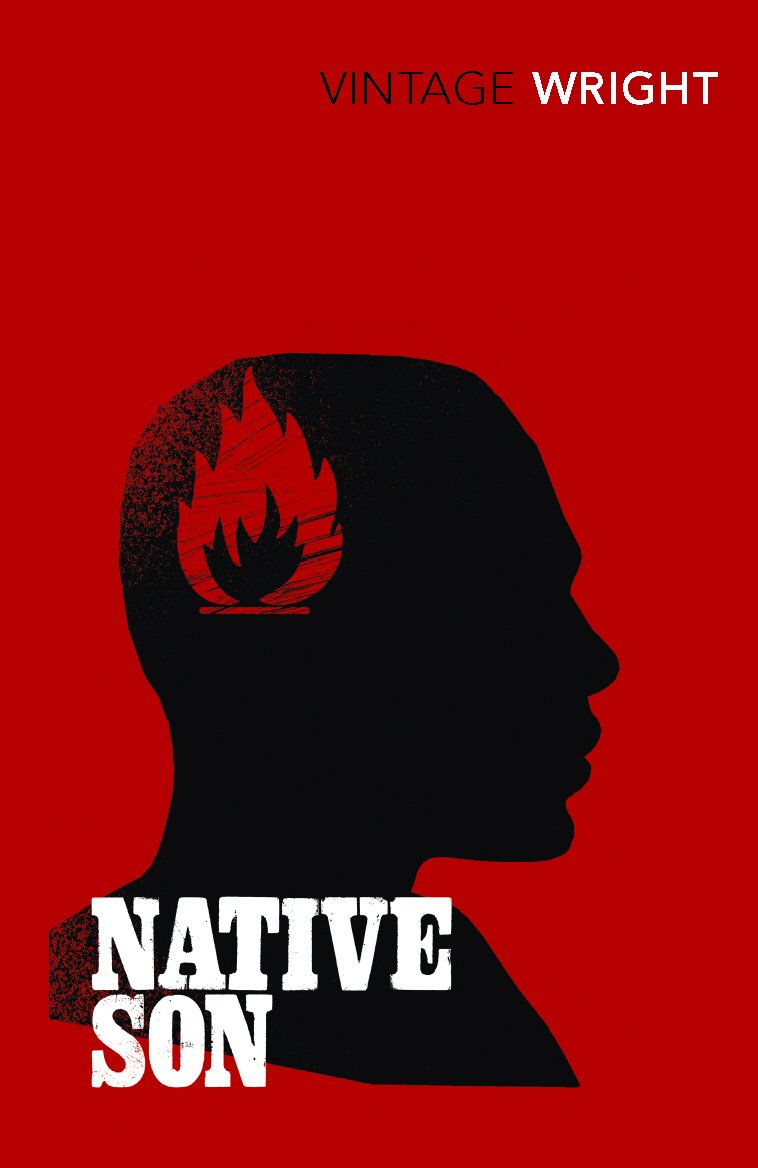

This novel is the reason I decided to make protest novels the subject of this blog piece. 

This novel was written as a protest, and was first published in 1940. It made its author, Richard Wright, the first Black best-selling author in America.

In Native Son, we follow the protagonist, Bigger Thomas, a young Black man who is trapped in poverty and the slums of Chicago. This is a novel that shocked readers at the time, and still has the power to do so today.

You can purchase Native Son by Richard Wright here.


2. The Color Purple by Alice Walker
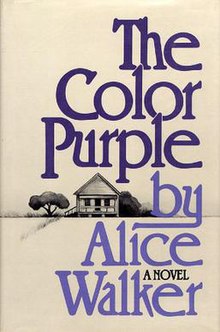

A classic. Winner of the Pulitzer Prize and a National Book Award.

Set in the deep American South between the wars, this epistolary tale brings us into the world of Celie, a young Black girl born into poverty and segregation. She meets Shug Avery, singer and magic-maker - a woman who has taken charge of her own destiny. 

You can purchase The Color Purple by Alice Walker here.


3. Brave New World by Aldous Huxley
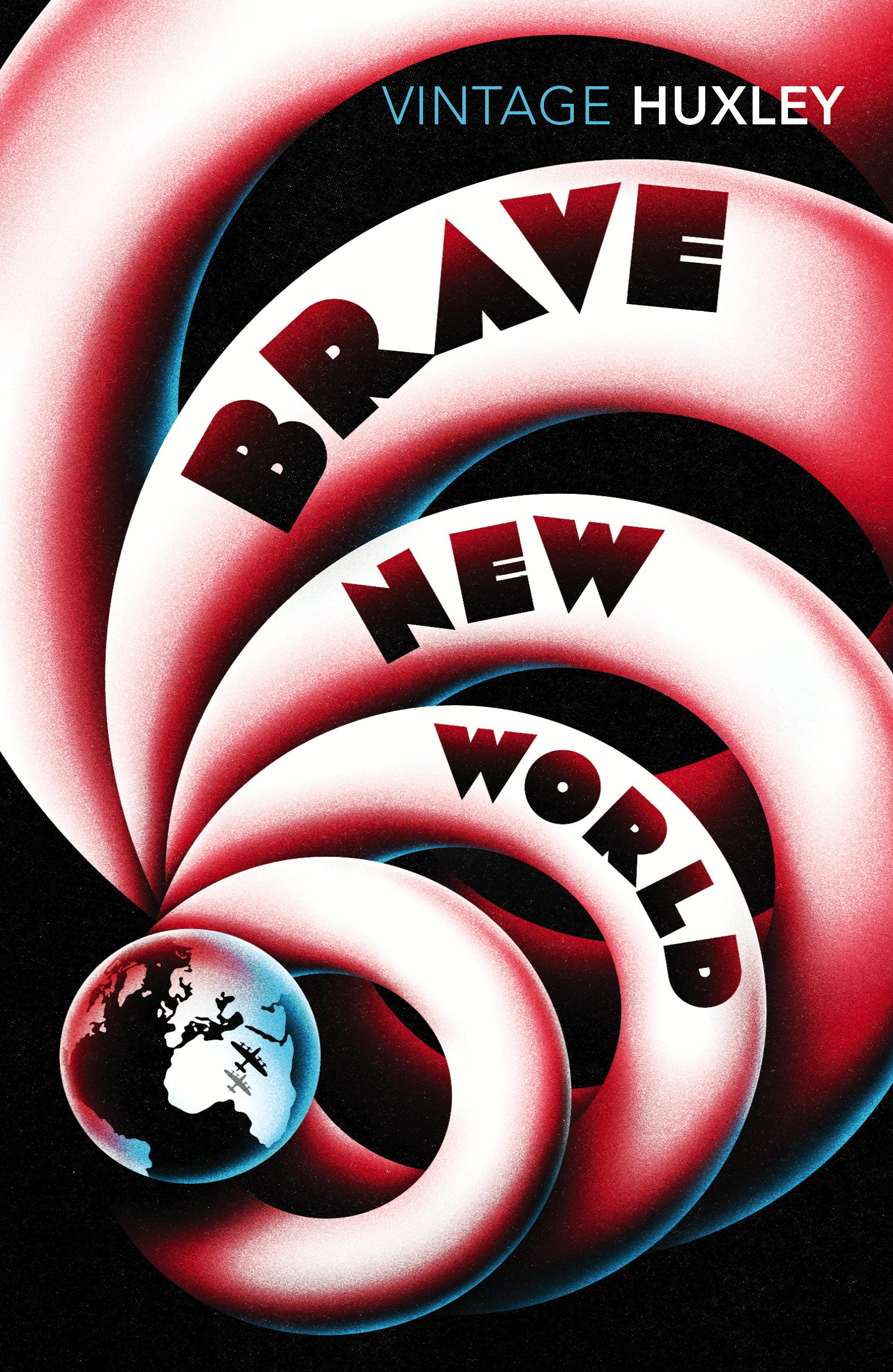

Another classic, and one that still has the power to provoke thought and shock the reader.

World Controllers have created the ideal society. But Bernard Marx feels alone, harbouring a vague desire to break free. 

It is hard to read this book and not draw parallels between what lies within and our own world . . .

You can purchase Brave New World by Aldous Huxley here.


4. Lord of the Flies by William Golding
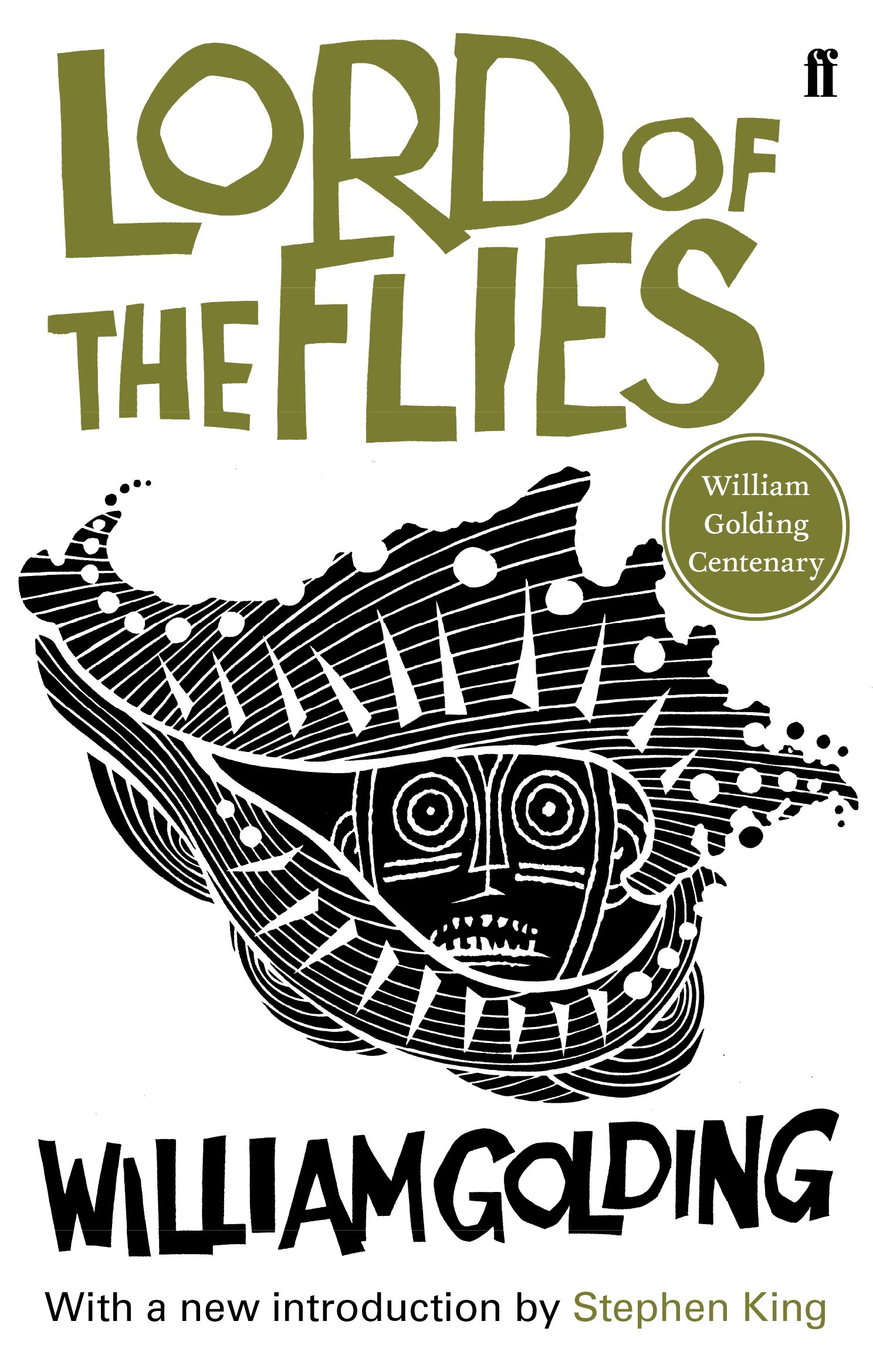

If you've read this novel, you know its power.

This book was published sixty-eight years ago, in 1954.

A group of schoolboys are deserted, stranded, on an island after a plane crash, and they await rescue. This tale is a warning of what comes when order fades, of how, when rules of society are abandoned, something cruel and savage can take their place.

You can purchase Lord of the Flies by William Golding here.


5. Noughts and Crosses by Malorie Blackman


Callum is a nought. 

Sephy is a Cross.

In their world, noughts and Crosses do not mix. But Callum and Sephy are determined to be together.

This is a novel that will absorb you.

You can purchase Noughts and Crosses by Malorie Blackman here.


Thank you for reading. I am passionate about books and hope that my pieces reflect that. That passion is why I share this content with you. If you can, please consider supporting me with a coffee on ko-fi.com - the caffeine keeps me reading, reviewing, and writing! Thank you to every supporter and reader!

A Few Banned Books


If you pursue bookish/writerly endeavours of your own, please do keep reading to the end of this piece . . . .

Even back when tweeting was just the sound a bird made, people felt awfully threatened by thoughts and words they didn't agree with. But, you can't block a book or its author, so, instead, some tried to ban the works instead. What follows are a few of the books from my shelves which, at one time, in some place, have been banned for various reasons.


Brave New World by Aldous Huxley

Anyone that has visited my blog before, or perused previously published posts (do love a bit of alliteration), will know that I have a lot of time for Huxley. Huxley had the courage to critique the absurdities of politics and society as he saw them. In Brave New World, the author demonstrates how an ideal society might be created through the use of genetic engineering, brainwashing, recreational sex, and drug use; a dystopia presenting as utopia. The novel was banned in Ireland when it first appeared, in 1932, because they saw it as taking a stand against religion and the traditional family, but even just ten years ago a piece was published in The Guardian newspaper suggesting it was a book that many Americans took offence with (here is the article).


Animal Farm by George Orwell

Much like the author in the preceding entry, Orwell's fame stems from works that analyse and criticise political and social ills. Along with 1984, this novel secured George Orwell worldwide fame and recognition. However, not all of that recognition was favourable. Animal Farm is a veiled attack on Stalin and his brutal brand of communism. As you can imagine, the work was banned in the USSR. However, it is also, even today, banned in both Cuba and North Korea, both communist countries under a dictatorship. You might also be interested to learn that many countries in the Islamic world also have a ban on the novel. Why? Because it features talking pigs.


The Catcher in the Rye by J. D. Salinger

This book has been held up as a classic by its fans; a book that takes an honest look at the cares, fears, anxieties, and ennui of teenage life. Its protagonist, Holden Caulfield, is one of literature's defining moments in exploring adolescent angst. However, this novel was the subject of a ban in American schools almost since its publication. Being seen as a subversive text that included far too much sex, swearing, and violence for some to feel comfortable with (though, I don't think you are supposed to feel comfortable reading these books, that's kind of the point), one teacher in Tulsa, Oklahoma, was even fired in 1960 for assigning the book to his class. As an interesting aside, the novel popularised the slang term "screw up" - Boy, it really screws up my sex life something awful.


Lady Chatterley's Lover by D. H. Lawrence

Sex. We all have some relationship with it, many of us have had pleasant experiences because of it, and a lot of us want it. But, boy, that doesn't stop us from feeling pretty damn uncomfortable around it. This novel is erotically charged and explores adult relationships, and the gulf between classes. And so, of course, it was banned. The book was published in 1928, but it was banned in England, America, Canada, Australia, India, and Japan. It wasn't until 1960 that the novel was published, as an unexpurgated edition, in the United Kingdom, which resulted in an obscenity trial, under the Obscene Publications Act 1959. Penguin Books was found "not guilty" by the jury, and the publisher dedicated the second edition to the three women and nine men who made up that jury.


Thank you for reading this piece. In an upcoming post, I would love to promote others who pursue bookish/writerly endeavours. So, if you have an Etsy shop that sells bookish gifts, or you have a writerly/bookish blog, or anything else that's bookish/ writerly, all I want you to do is come and follow me on Twitter (here), and send me a message there, or a comment beneath my pinned tweet, with any links to websites or social media platforms you would want potential customers to know about!

I hope you enjoyed this piece. If you did, please consider following/supporting me on ko-fi - if everyone who read this piece donated just the minimum, it would be a huge boost, and it would be gratefully received. 

Thank you, and see you soon.


Brave New World Revisited

 In 1932, Aldous Huxley's most well known novel, Brave New World, depicted a dystopian future society that was controlled using sophisticated methods. 

At the end of the 1950's, Huxley revisited the topics that he had touched on in that novel with Brave New World Revisited. This work, rather than being a work of fiction, is an examination of Brave New World and essay on those issues that he had visited in that novel. From the very beginning, he argues that many of the predictions and prophecies he had made in his most famous work were uncomfortably closer than he imagined they would be so soon. And, with Huxley discussing topics such as overpopulation, drug use, and how ideas are sold to the masses, this work, like Brave New World, is very much still a relevant read. There is much in our world - the political landscape, advertising, social media - that you might be able to see in Huxley's predictions. He didn't get it exactly spot on but, in a world where many of us are slaves to algorithms and what's trending, he wasn't too far of the mark.

I don't know about you, but I see a lot of the Brave New World in us today - when I take to social media and I see people, with blinkers on, defending the political parties and/or figures that they have aligned themselves with, without criticism, I think of Brave New World. When I watch films like The Social Dilemma - detailing how we are manipulated by today's technology - I think of Brave New World. And, there is a discussion to be had about whether or not we have become too dependent on medication to fix our ills and woes - which, yeah, you guessed it, brings to mind elements of Brave New World for me.


Huxley once said, “Everyone who knows how to read has it in their power to magnify themselves, to multiply the ways in which they exist, to make their life full, significant, and interesting.” And, in my personal opinion, you get some of that from reading Huxley. This is my fourth post about a Huxley work, and I make no apologies for that. 

In twelve years, it will be one hundred years since Brave New World was published. Who knows where society will be there by then . . .

When discussing famous dystopian novels, people often contrast and compare Brave New World with Orwell's 1984, asking the question, which one are we more likely to be heading towards. Personally, I can see elements of both in our world. What about you? What do you think?


Links to other posts about Huxley works -

https://monstareader.blogspot.com/2021/02/mescaline-and-mysticism.html

https://monstareader.blogspot.com/2021/02/the-devils-of-loudon-by-aldous-huxley.html

https://monstareader.blogspot.com/2021/02/the-perennial-philosophy.html

Mescaline and Mysticism

 The Doors of Perception by Aldous Huxley

This blog is in serious danger of becoming a little Huxley-heavy! But, personally, I have no problem with that and have some pride in the fact that, of the three blog posts I have published on Huxley's books, Brave New World has only come up in passing. But, that's the little literary snob in me, so perhaps it's best to move on.


In 1953, Aldous Huxley (pictured above, 1931) took four-tenths of a gram of mescaline and waited to see what would happen. In The Doors of Perception he described the effects of this experiment. And it is a beautifully written account of the visionary experience ever written.

Aldous Huxley was a man interested in mysticism and what Meister Eckhart called "istigkeit", or the is-ness of things, and he explores this in this account. Through this account, we learn that when Huxley took that dose of mescaline, the active principle of the cactus peyote, he saw through the everyday surface of things and "istigkeit" of all about him. 

Personally, The Doors of Perception, is just as memorable and important to me as Brave New World. It is not just the telling of a giggly and trippy day spent on an hallucinogen, but a work exploring mysticism, the deeper meanings and beauty behind the mundanities of life, and how we use mood and mind altering substances. A subject that Huxley was obviously interested in - remember soma from Brave New World.

Through Huxley, we are shown how this experience offered insight into the universe about him. The universe about us. As I said, this is not the account of a trippy hippie afternoon on acid - I mean, look at that picture above! The man was an intellectual with a keen interest in what intrigued him. Huxley's account of the experiment on mescaline is well written and well worth the read. It is a telling that tells of an experience in which the veil fell away and the inner, deeper, richer, and wonderful is-ness of existence was revealed to a mind on survival mode, a mind worn by the mundane. An experience where the beauty in the crease in a trouser leg is obvious. 

Read it - you'll understand.

Available for purchase here (Disclosure: if you make a purchase through links in this blog, I may earn a commission from the seller, but that does not influence the content of this blog).

Fun Facts

- The band, The Doors, named themselves after this book, and it earned Huxley his place, amongst many other public figures, on the cover of The Beatles' album Sgt. Pepper's Lonely Hearts Club Band.

- Huxley died on the same day that JFK was assassinated - 22 November, 1963. It is also the same day that C. S. Lewis died. Both authors' deaths received little attention because of the tragic shooting and murder of the thirty-fifth President of the United States.

- Huxley died of cancer and, on his death bed, he asked his wife to inject him with LSD. This is how he passed out of the world. Accounts say he left this life peacefully, a 'good death'. After a dose of 100 milligrams, his wife asked him if he would like more, he nodded in assent, and she injected a further 100 milligrams.

The Devils of Loudon by Aldous Huxley

 A true story of supposed demon possession in seventeenth century France


Urbain Grandier, a priest of the parish of Loudon, was burned at the stake in 1634. Despite his being a holy man, he also had desires for the flesh and was a seducer of women. This trait eventually brought a conspiracy against him, a conspiracy that took him to the stake.

He was, in 1634, found guilty of causing the possession of a Prioress and her nuns by devils.

In this telling of the events at Loudon in the seventeenth century, Huxley tells of the events that lead to Grandier's torture and death. Events that seem to have less to do with witchcraft and demon possession and more to do with human jealousies, sexuality, superstition, and hatred.

The Devils of Loudon is not one of Huxley's better known books but is most definitely worth the reading. Before I read this book, I was unsure as to whether I would be interested by the topic of the book. However, I have a lot of time for Huxley and gave the book a chance. And, I was not disappointed. Huxley, a man who was drawn to mysticism, the religious, and human nature, handles each of these and more in this telling of the events surrounding the priest's death and the most sensational case of supposed possession in history.

I may be a tad bias - as I say, I have a lot of time for Huxley - but I would recommend this book. If you have read Brave New World and you are considering giving another of Huxley's books ago, I can't promise that you will find this book intriguing and interesting. It is a very different kind of book. But, for those interested in human nature, witchcraft, religiosity, and human malice, you could do worse than read this book.


The Perennial Philosophy

 A little Huxley

The Perennial Philosophy isn't one of Aldous Huxley's best known works. And, for those thinking of trying others of his titles because they liked Brave New World might be a little disappointed by this book.

In this exploration of all the great world religions - and the scriptures, teachers, and teachings of said religions - Huxley looks at the basic unifying beliefs that lie beneath. It does become apparent, as the book takes in different aspects of religious belief and practice, that the major religions have unifying beliefs in the human attempt to find Truth and ultimate Reality. Reality with a capital R. Truth with a capital T.

In The Perennial Philosophy Huxley's observations are supported by quotes from great and notable mystics and theologians, and religious works and scriptures. 

Huxley himself was personally interested in mysticism and universalism, or the perennial philosophy. When analysing others of his works, there are traces of these philosophies in his writing. 

Huxley invested time and effort into learning about, and later teaching on, eastern religions and philosophies, particularly the Vedanta. He learned meditation and spiritual practice from a swami. He later took mescaline, and believed the experience to be one of clarifying and profound insight into the truth of reality (see The Doors of Perception).

However, Huxley was an intellectual and much more agnostic than a mystic. Because of this, he wasn't fully able to embrace the life of a man immersed into an institutional religion. 

When reading The Perennial Philosophy, I came away, as I have when I have read other of Huxley's books, that this is the work of someone trying to seek out the right way, or the best way. That this is a work interested in trying to discover what it is, not just to be human, but what it is to be good, to be fulfilled. I also come away with the feeling that this is the work of a man seeking something deeper than what lay on the surface of things, and for that I have a lot of time indeed.

I am a big fan of Huxley's writing. I have a lot of time for them and recommend them to you.