Ko-fi

Showing posts with label literary characters. Show all posts

5 memorable dogs from literature


Monsta

Disclaimer: Monsta Reader is affiliated with bookshop.org and Waterstones. If you should make a purchase through any of the links in this blog, I might earn a small commission from the sale. However, this does not affect the price of the items, and it does not influence the content of this blog.


In 2019, just before Christmas, Monsta, my dog, my best friend, got sick. At first, I wasn't too concerned. She was still interested in her food and still had a light in her eyes. However, after a couple of days, and little change, we made a visit to the vets.

Over the course of days, she got worse. That light in her eyes dimmed. She stopped eating, and she was tired all the time. She didn't want to leave the bed or the sofa. I had to resort to carrying her about, and more vet visits followed.

As I write this, I feel the sadness blooming in my chest, wanting to burst behind my eyes.

Two years and two months later, I still miss the light in her eyes. I miss the strange sounds she'd make, like the high-pitched keening noise when she was anxiously excited by some silly thing. I miss the click of her claws behind me as she would follow me from one room to another. I miss the softness just behind her ears. I miss how she would look up at me when she walked beside me . . . I miss it all.


With Monsta in mind, I write this little list of memorable literary dogs, because they add a little something to the books in which they can be found, as they do our lives . . .


1. Bullseye, from Oliver Twist by Charles Dickens
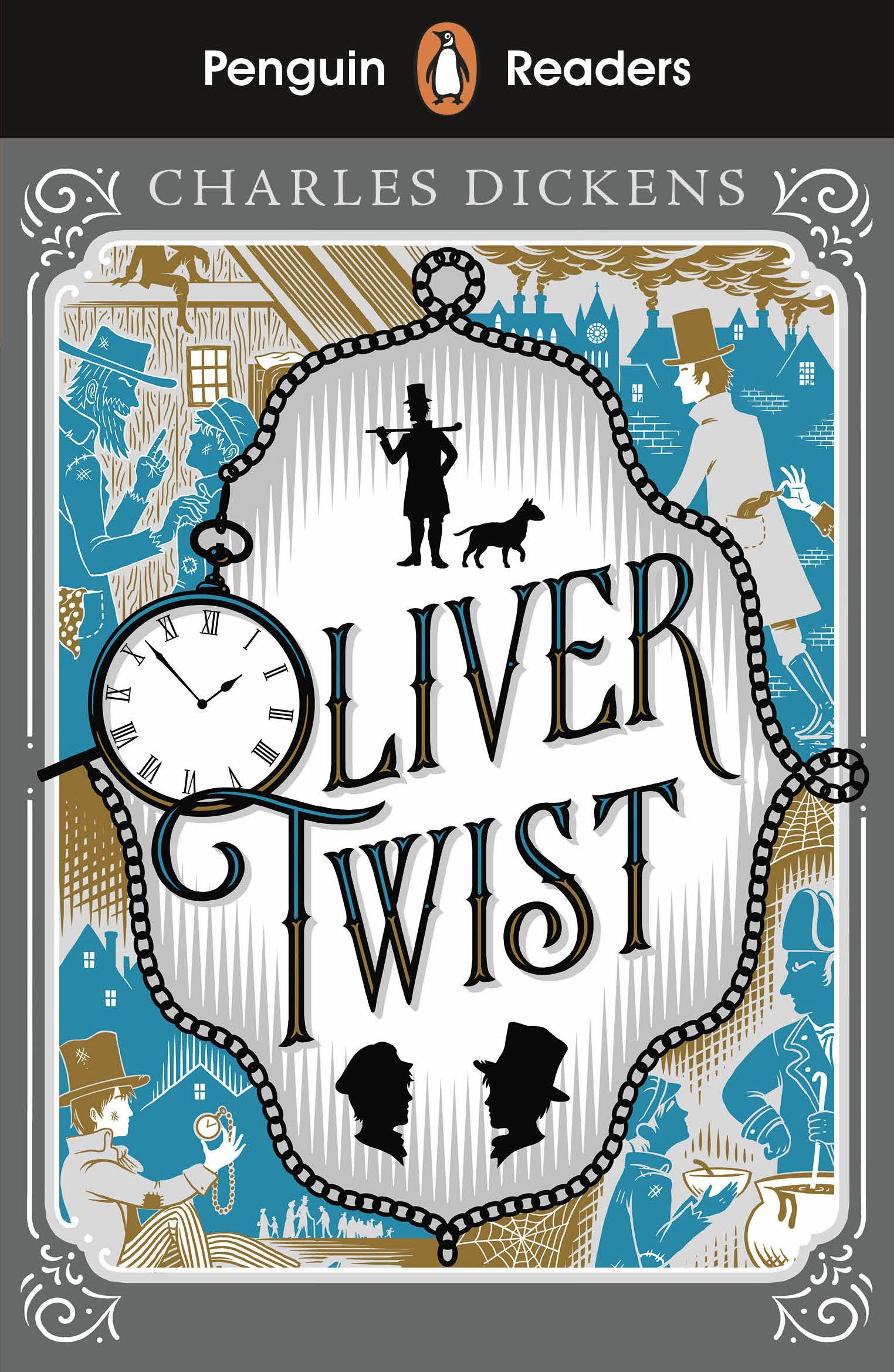


Oliver Twist has asked for more!

When he flees the workhouse, Oliver Twist finds himself taken under the wing of the Artful Dodger and falls in with a group of pickpockets in London.

Bullseye is the long-suffering companion of the cruel criminal, Bill Sykes, who mistreats his poor dog. The image of Bill Sykes and Bullseye, stalking dismal Victorian London, amongst the criminals and the wretched, is one that remains with the reader.

You can purchase a copy of Oliver Twist by Charles Dickens here.


2. Montmorency, from Three Men in a Boat (to Say Nothing of the Dog!) by Jerome K. Jerome


Three hypochondriacs, believing they are suffering from almost any malady you could care to mention, decide upon a restful holiday on the Thames, with Montmorency, the fox terrier, as companion.

This humorous novel depicts probably the worst holiday in literature, still providing laughs today, over one-hundred-and-thirty years after its original publication.

Montmorency shares the spotlight with the three men, and there are some comedic passages about the mischievous little fox terrier to be found within.

You can purchase Three Men in a Boat by Jerome K. Jerome here.


3. Charley, from Travels with Charley by John Steinbeck
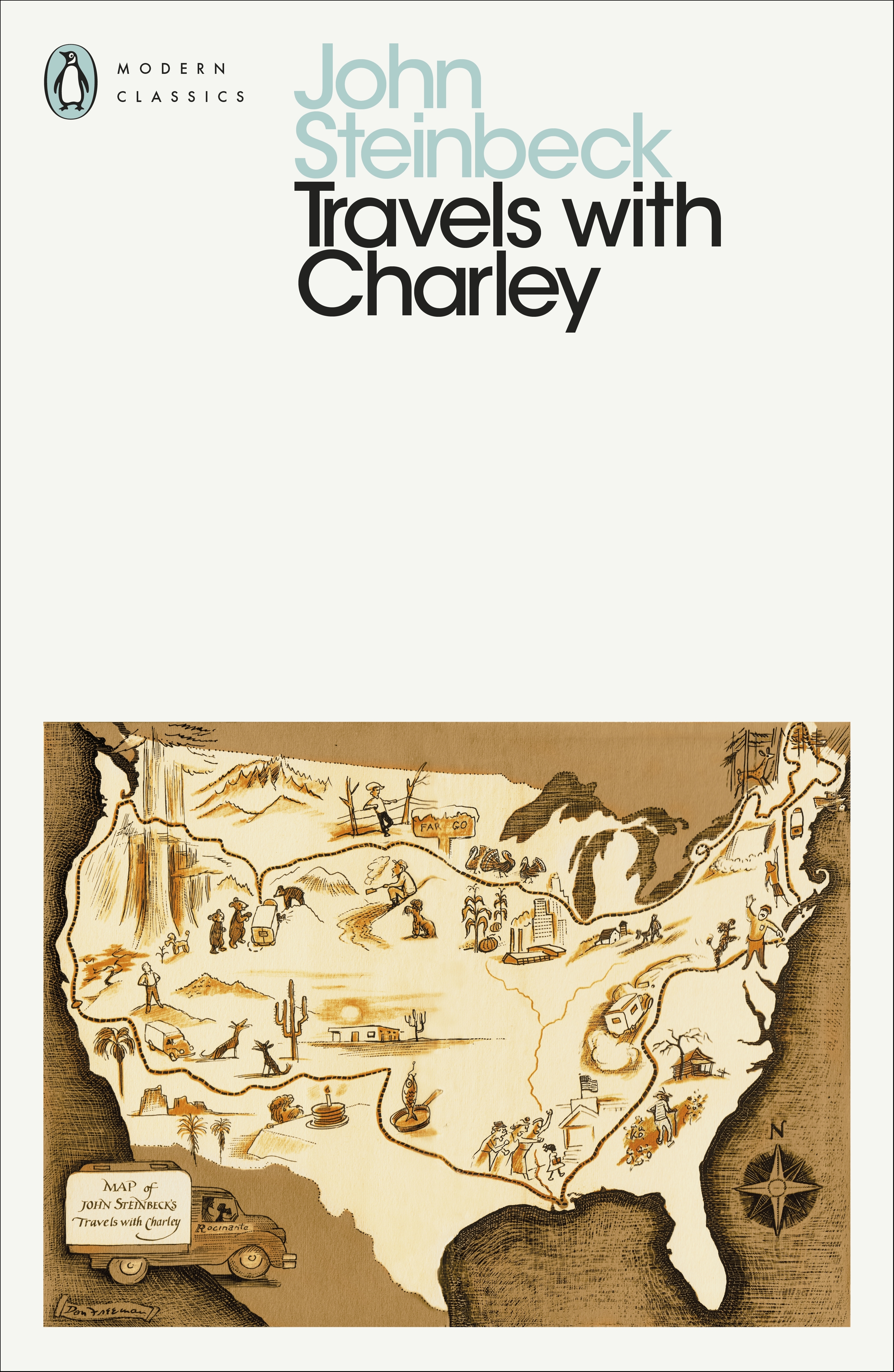

In 1960, there was an itch in Steinbeck's feet that he couldn't ignore. Travelling America, through woods and forests, dirt tracks and highways, cities and wildernesses, he witnessed America and Americans with a humorous and sometimes sceptical eye. There is warning and prophecy in these pages, from one of the greats of twentieth-century literature.

And Charley, Steinbeck's French poodle, accompanied the great writer on his travels across America.

Actually his name is Charles le Chien. He was born in Bercy on the outskirts of Paris and trained in France, and while he knows a little poodle-English, he responds quickly only to commands in French. Otherwise he has to translate, and that slows him down.

You can purchase Travels with Charley by John Steinbeck here.


4. Toto, from The Wizard of Oz by  Frank L. Baum
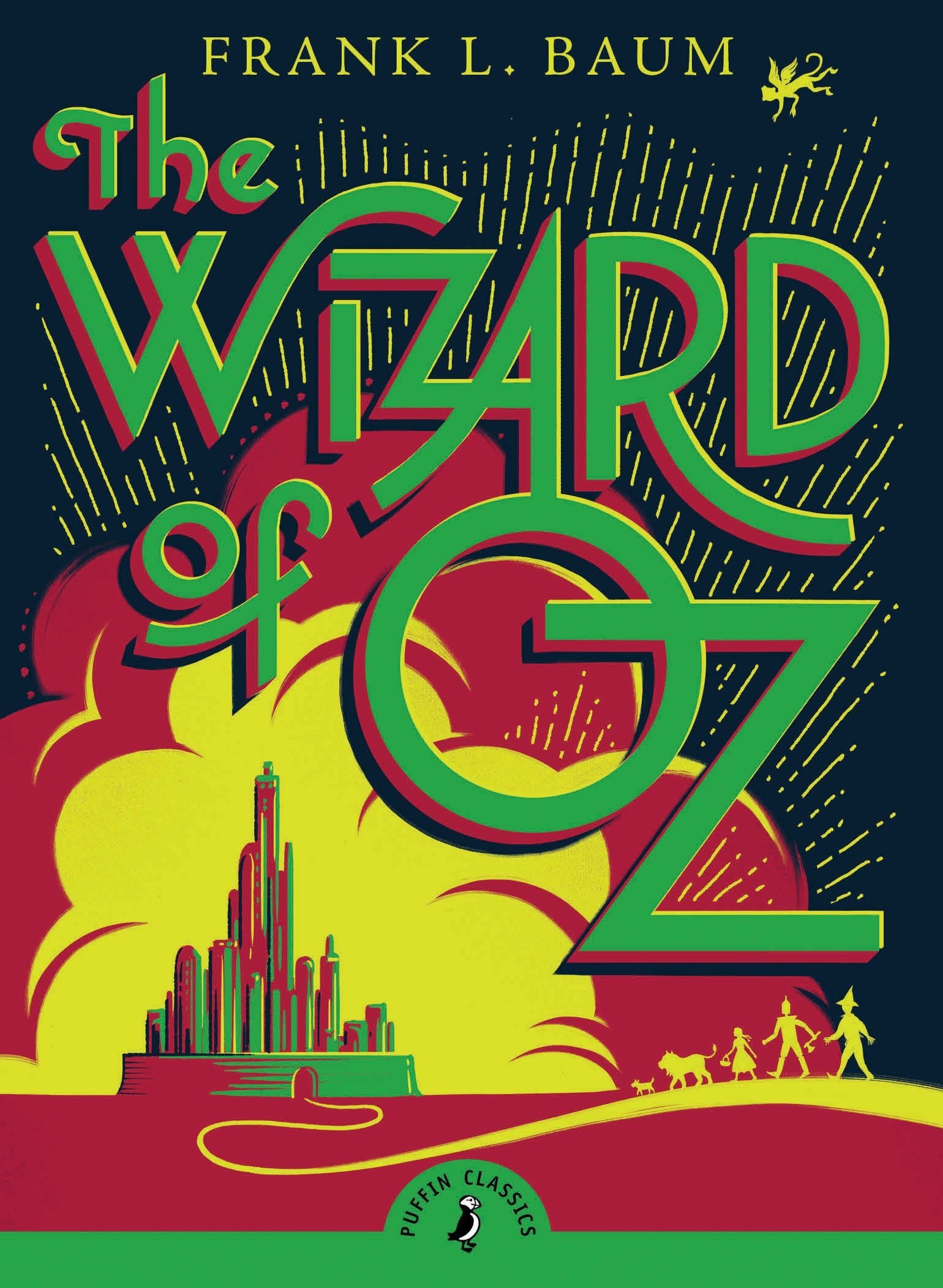

Follow the yellow brick road . . .

Dorothy seems lost when a tornado picks up her and her little dog, Toto, from Kansas, and drops them in the wonderful world of Oz. Along the yellow brick road, she meets the Scarecrow, the Tin Woodman, and the Cowardly Lion. 

Toto is another loyal and goodly companion, a dog that has found his way firmly into literary history.

You can purchase The Wizard of Oz by Frank L. Baum here.


5. Cujo, from Cujo by Stephen King

Once upon a time, not so long ago, a monster came to the small town of Castle Rock, Maine . . .

Cujo is a two-hundred-pound Saint Bernard, and the best friend that Brett Camber has ever had. After Cujo is bitten by rabid bats, he becomes a horrifying vortex, drawing in all the people around him, and is one of King's most memorable creations.

You can purchase Cujo by Stephen King here.


Thank you for reading. Just before you go, can I ask that you please consider supporting this blog with a coffee from ko-fi.com - the support really is a great boost!

If you can, please consider supporting, and, dog dads and mums, give your dog a hug. They aren't here long enough, and they are a gift.


I still bloody love you, Puppy Dog!

Five Unforgettable Mothers from Literature

 In exactly two weeks time (if you live in the UK) it is Mothering Sunday (14 March 2021). With this in mind, I just thought I would put together a little list of some unforgettable mothers in literature. Most of them are pretty great mums. The last one . . .

Included are links to books are available to purchase from bookshop.org (Disclosure: if you purchase books through links in this blog, I may earn a commission from bookshop.org, but that does not influence the content of this blog and bookshop.org supports independent bookshops)


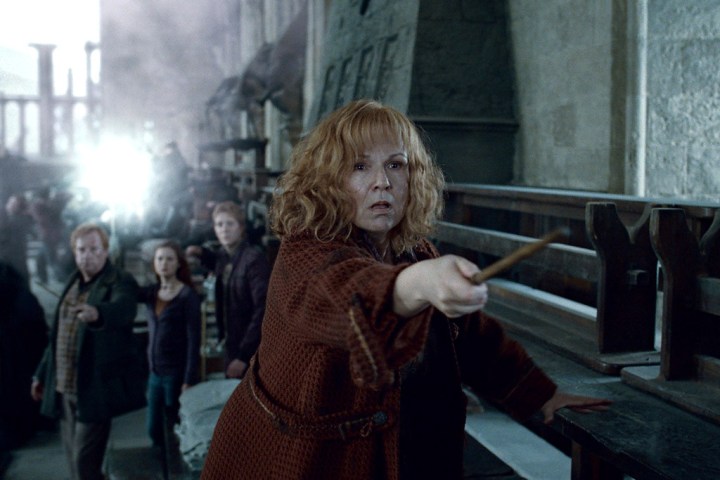
1. Molly Weasley from the Harry Potter series (J. K. Rowling)


If you do a search online for great mums in literature, Molly Weasley figures in numerous list articles. Not only is she the matriarch of the Weasley family but she is also something of a mother figure to the series' hero, Harry Potter, who has a pretty poor family situation himself. Not only does this character take care of all the usual motherly duties - cheerfully feeding, clothing, and protecting her children - she also goes to the fight when she has to.

The Harry Potter complete collection available here

2. Margaret March from Little Women (Louisa May Alcott)

Margaret "Marmee" March is another mother from literature that can be found on multiple online lists. It can't be easy for a single woman to raise four daughters during a civil war but Mrs. March loves her children and does everything she can to help them. She is a good listener, always having time to listen to her children's problems, and her daughters know that they can tell her anything.

Book available to purchase here

3. "Ma" from Room (Emma Donoghue)


This story, told from the perspective of five-year-old Jack, is not an easy read, and "Ma" is arguably the most tested mother on this list. The majority of this story takes place in the room of the title, where "Ma" and Jack are being held captive and have been held captive for many years by a man referred to as "Old Nick" in the story. The author apparently was inspired by the Fritzl case in Austria to write this story. "Ma" is a character that does all she can to protect her child in the worst of circumstances.

Available for purchase here

4. Miss Honey from Matilda (Roald Dahl)


Matilda Wormwood finds herself inhabiting a world of unpleasant characters - her family doesn't really seem to care about her very much at all and the headmistress of her school is a tyrant. However, Matilda finds warmth, friendship, and a mother figure in her teacher, Miss Jennifer Honey. This story reminds us that family is more than blood and, at the conclusion of the story, their relationship is cemented as they become an adoptive family.

Available for purchase here

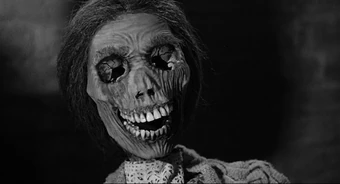
5. Norma Bates from Psycho (Robert Bloch)


Well, this list is called "Five Unforgettable Mothers from Literature", not "Five Good Mothers . . .", and I don't think there's any denying that this mother figure is unforgettable. The character of Norman Bates has been compared to real life murderer, Ed Gein, who also had an odd relationship with his mother, having suffered abuse at her hands. This is definitely a mother/son relationship that will live on in the mind after the last page has been read.

Available for purchase here


Well, that's it. There are more mothers out there between the pages of some of our most favourite books. Which ones have stayed with you?

LGBTQ Characters in Books

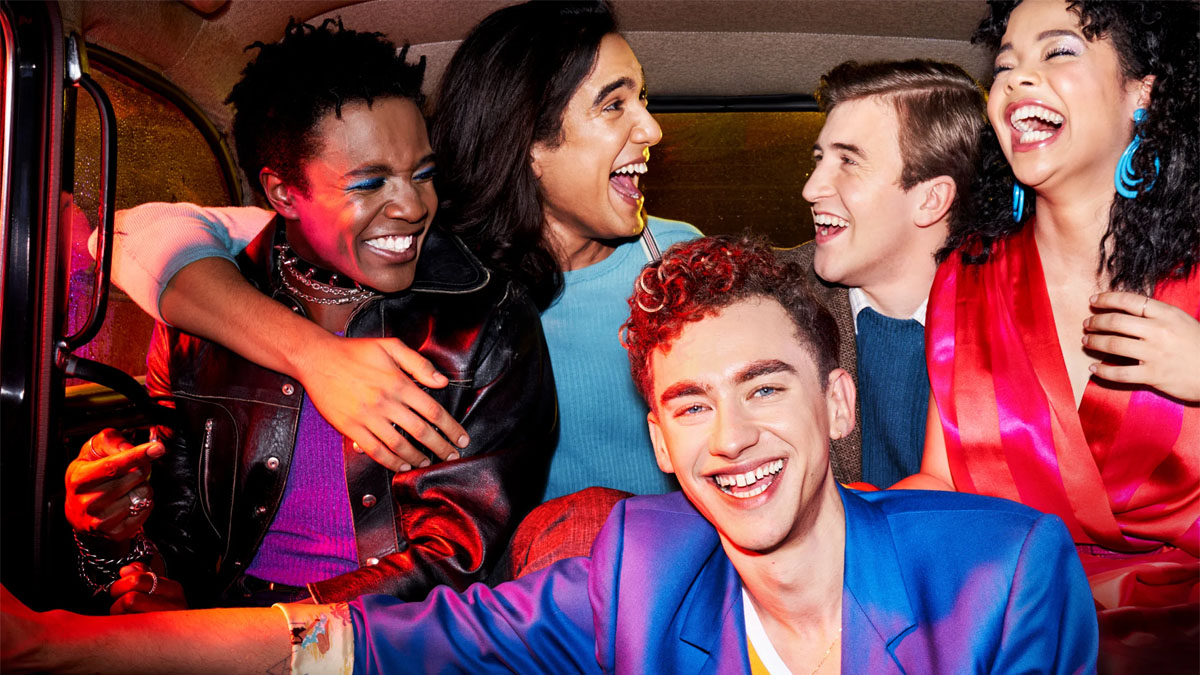
 Just like almost EVERYONE, I watched and loved the great television series It's A Sin, written by the ever talented Russell T. Davies, and starring a whole cast of talented actors (Olly Alexander, Callum Scott Howells, Lydia West, Neil Patrick Harris, Nathaniel Curtis, Keeley Hawes, Omari Douglas, Shaun Dooley, Stephen Fry . . . and many more - they're really all so good in this!).

In one scene, Nathaniel Curtis' character is tasked with pulling from the shelves of a library any books which reference LGBTQ characters or storylines. The scene makes reference to Section 28 (a law that prohibited the "promotion of homosexuality", introduced by Margaret Thatcher's Conservative government and in effect from 1988 until 2000 - in Scotland - and 2003 - England and Wales), and just how little of a voice the LGBTQ members of society have had historically and culturally.

The scene - typical for this series - is able to make you smile, sad, and thoughtful in the space of the moments that it takes place on screen. 

If you haven't seen It's A Sin yet, I think you should stop reading now and go watch it because, to be honest, anything I write here isn't going to be as good as this show is - it doesn't even get within sniffing distance!

But, you know what, that scene made me think - where are all the LGBTQ characters in literature? Are they there? Well, they are. But, they can be hard to find, in my opinion . . .


First of all, there are characters who we might never have noticed as being LGBTQ, such as Albus Dumbledore in the Harry Potter franchise. J. K. Rowling revealed in 2007 that she had "always thought of Dumbledore as gay". Now, writers do know their characters best - they often give their characters a history, habits, hopes, dreams, fears, desires, etc., that the audience never sees. In this way, the writer is better able to flesh out the character and write them better. However, if J. K. Rowling had not made it known to her audience, after the original Harry Potter series had come to its conclusion, we might not have ever noticed. Some might have spotted it and it might have become the thing of online fan theory debates, but it isn't really explicit in the novels. Going back to the books, there might be the whisper of a hint with regards to the character's sexuality.  I'm certainly not sure that anyone tasked with seeking out LGBTQ characters in literature would have recognised  him as such. This subtle hinting (sometimes so subtle it's missed) at character sexuality has been a method adopted frequently by writers - another example I found when researching this article was the character of Deadpool, the Marvel character; the character, we are told, is pansexual (this is hinted at by his flirtatious way with other men) but in his history (the character was created in 1991) he's only ever had relationships with women (and women-presenting aliens).

Still, Deadpool's flirtatious way with people, aliens, and mutants of male or male-presenting sex might at least get him noticed during a similar exercise to that which Nathaniel Curtis' character is made to undertake in the scene from It's A Sin . . .

In Stieg Larsson's creation, Lisbeth Salander, we meet a character who is complex, badass, and explicitly bisexual, amongst many other things. The character, first appearing in The Girl With The Dragon Tattoo, back 2005, has become a memorable part of the literary landscape in the early part f this century - some feel that the series' success can very much be laid at the feet of the character of Lisbeth Salander. She is a gifted but troubled character. She makes her own way in the world - most certainly not relying on any prescribed route as she navigates her way through her world. She is androgynous, bisexual, and a badass. She even has a street named after her in Stieg Larsson's Swedish home town - Lisbeth Salander gata. 

Another bisexual woman in popular culture is Diana Prince, or Wonder Woman, as she is otherwise known. Wonder Woman begins her life on the island of Themyscira, a place entirely devoid of men and, as she tells Superman in issue #48 of Sensation Comics when she officiates a wedding for two women, where she comes from it is "not 'gay' marriage. It's just marriage". Also in 2016, the writer, Greg Rucka, explicitly revealed that the character was bisexual. The origins of Wonder Woman, coming as she does from the women-only Themyscirda, mean that she will be free of the heteronormative expectations and point of view. To the writers of Woman Woman it seems obvious that the character will have had lesbian relationships coming, as she does from an island without men. On Themyscira, no men may step foot and anyone that leaves forgets the location of the island, and so it would seem that if the inhabitants of the island are forming relationships then they are lesbian relationships.


It only occurred to me as I was doing the research for this article that I have never read a book in which there featured a memorable trans character! I have to take into consideration that this might say something about how diverse my own bookshelves are, but I think they are still hard to find. I have on my "to read list" The World According to Garp by John Irving and Kafka on the Shore by Haruki Murakami, both of which feature trans characters. I know that the characters are out there - as I type in various phrases onto Google and Wikipedia the proffered results confirm this, but I do come away feeling that these characters are still on the fringes. But, I do now have some idea as to the titles I might want to add my bookshelves after those searches!


For a long time, representation of LGBTQ life and love was considered dangerous and subversive. Oscar Wilde's The Picture of Dorian Gray was originally more explicit in its references to gay desire, but these references were censored before publication. Then, as we see in It's A Sin, one hundred years later, we were still bothered by all this. Even today, people seem really quite concerned over the sexuality of other people and "what it all means!"

Representation of relationships, identities, and sexuality, beyond the heteronormative accepted default position that has been depicted in literature for so long, is increasing it seems. As I did my searches in preparation for writing this, it is obvious that the amount and depth of discussion with regards to sexuality and identity has been incrementally increasing over time. And, in the twenty-first century, we are having deeper and better discussions than we have before. However, you only need to take a little look on Twitter and you will see there are still those who don't quite get it. There are still those that think the discussion, the representation, is dangerous and subversive. They don't take into consideration that the literature, the art, the film, the television shows, the discussions, are giving strength to those who have been oppressed and suppressed for too long.

I don't know. I just like books. And, I think a book might be a good place to start!

If you fancy exploring LGBTQ literature a little further, here is a link to a book list from Penguin Random House that you might find interesting, but do explore for yourself too - it's more fun that way!

https://www.penguinrandomhouse.com/the-read-down/the-ultimate-book-list-for-pride-month


Please do comment and share, if you happen to think that this post is worth commenting on or sharing. I don't pretend to know everything, or to be perfect, so, if you feel I have gotten something wrong here, call me out on it! It's the only way I will learn . . .

It's A Sin is available to watch on All4 streaming service in the UK and HBO Max in America.