Ko-fi

Showing posts with label William Blake. Show all posts

The Artistic Life of an Influential Poet, Painter, and Engraver who Wanted to See Infinity!


Disclaimer: should you make purchases through any of the links in this blog, I may earn a commission from the sellers, however that does not impact on the cost to you as the consumer, nor does it influence the content of this blog.

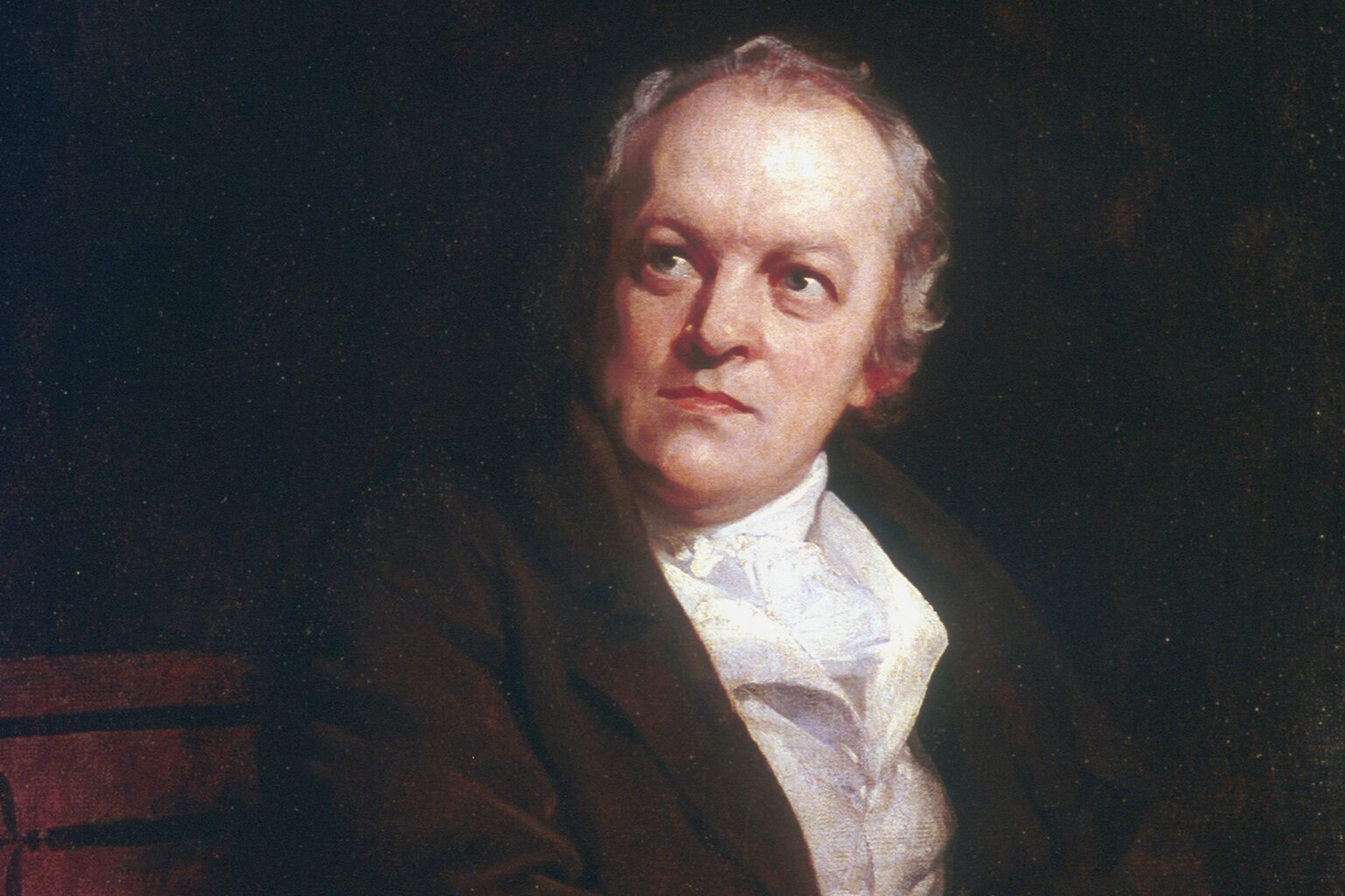
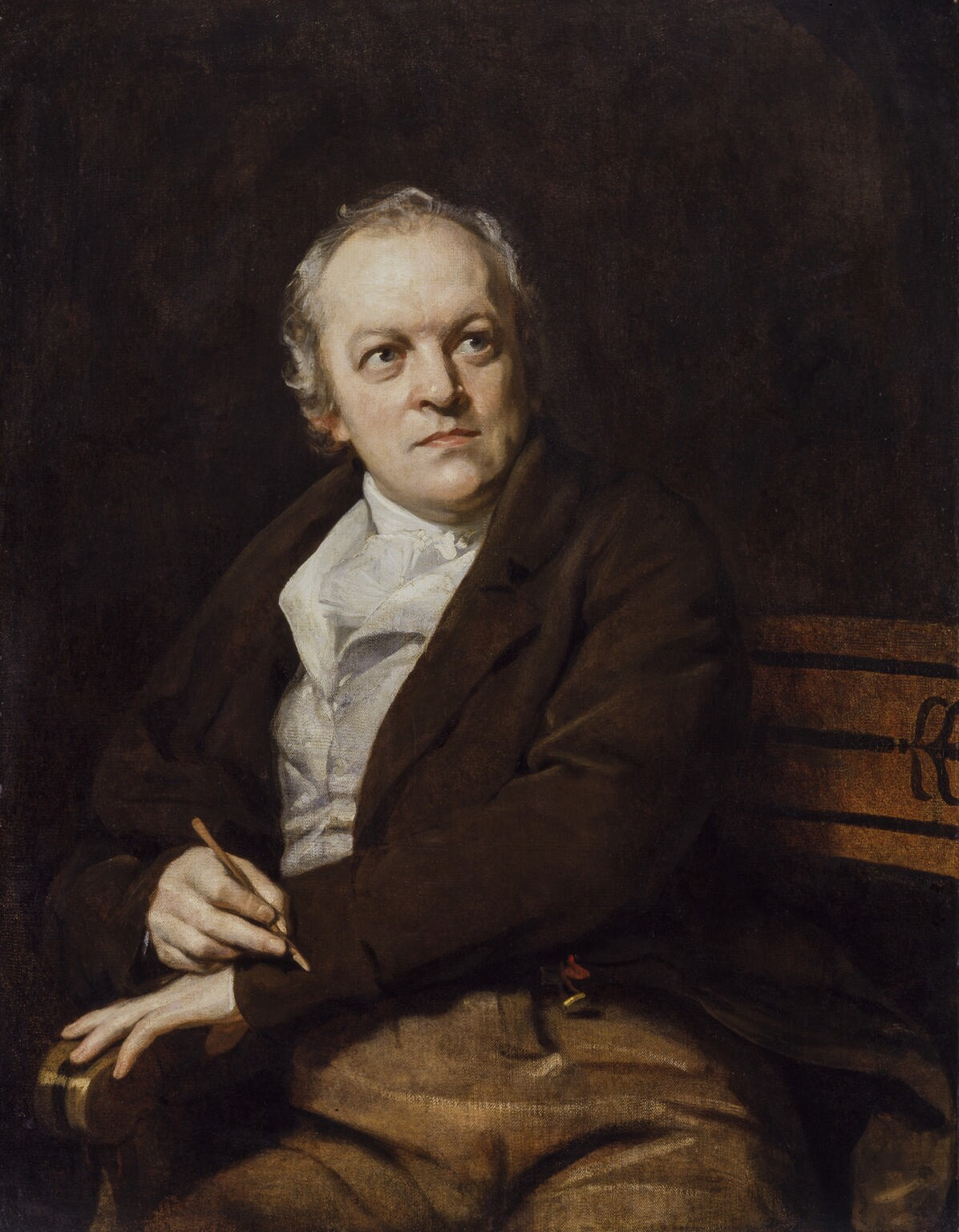
If you have been paying attention, you'll know that the last few posts have been concerned with some of the poetry of William Blake. And here I would like to take a little look at the man himself, because I think he was a fascinating figure!


William Blake's efforts went mostly unnoticed during his lifetime (1757 - 1827), and many of those that did notice his work dismissed him as a radical and an eccentric. Indeed, for his time, Blake did have some radical ideas - he was critical of organised religion (though a devoted believer in God), he criticised marriage laws and advocated for unconventional relationships, he opposed slavery, and was  influenced by the American and French revolutions in how he formed his ideals. Blake believed in a common love that existed between people, and that people could make a better world through that love.


Blake worked with words and images, and used them as vehicles for his ideas. He explored the issues of his day, issues that can be considered relevant still. In the above image, Europe Supported by Africa and America, William Blake depicts each of these continents as three female figures. All three figures are equally beautiful, but Europe leans very much on the others. And, the gold bands on the figures of Africa and America? Those symbolise enslavement. I am not sure that Blake was wholly opposing slavery here, but his intention was definitely that the viewer question the practice of slavery, and how Europe was treating the people of Africa and America.

Blake seems a man, an artist, very much ahead of his time. And, he used his art, his poetry too, as he did in the example above, to shine a light on the wrongs of his world. He asks that the audience question what they might otherwise blindly accept.


If the doors of perception were cleansed everything would appear to man as it is, infinite.


When he asks his audience to question slavery, the way people of other places and races were treated, or when he is critical of organised religion, Blake is only doing what he can to cleanse those doors of perception. He strives to shine a light on a better way; a way that suggests no one repress their true selves, or take advantage of others, and instead build something based on the common love that exists between us all. When you read his poetry, that is the overwhelming message found within.

What a shame that Blake went unrecognised in his own lifetime, but, oh!, how right that his work endured and found recognition after he was gone!

You can read more about Blake's poetry in previous of my posts. Just click on "William Blake" under Labels, and you will find my analyses of some of his poems, which also include links to where you can buy collections of his work.


If you enjoyed this piece, or any others, please consider following/supporting me over at ko-fi, a platform for creatives and the people who follow their work. If everyone that read my efforts were to donate the minimum, it would make more of a difference than you might realise. All support is gratefully received, and very much appreciated!

Thank you.

Ah! Sun-flower by William Blake - an analysis and review


Disclaimer: should you make a purchase through any of the links in this blog, I may earn a commission from the seller, however this does not impact on the cost to you as the consumer, nor does it influence the content of this blog.

Many scholars, people smarter than I could ever hope to be, have debated the themes and interpretations of this poem by Blake. Part of the problem being that Blake didn't use a consistent theme with his symbolism in his collection, Songs of Experience. This poem takes in themes of lost innocence, frustrated desires, and spiritual transformation; quite a lot for a poem of only two stanzas. But, with allusions to ancient Greek myth, there is more here than just a poem about a sunflower!


Where the Youth pined away with desire,

And the pale Virgin shrouded in snow,

Arise from their graves and aspire

Where my Sun-flower wishes to go.


As far as I am concerned, one of the great things about poetry is that it inspires further thought, it requires a little extra work on the part of the reader. It may be just a single stanza, it could be an epic, but it asks that the reader seek out more. When you read a poem by Blake - or Shakespeare, or Plath, or Poe - it requires that you understand the symbolism, the allusions to myth or current affairs. It spurs you on to find out those things. It does me, anyway.

So much can be said in only a few stanzas of poetry.

If you would like to read more Blake, you can find links to collections of his in previous of my pieces on Blake's poetry (here for instance). Links in my blog posts will take you to bookshop.org, who support independent bookshops.


If you enjoyed this piece, or any others, please do consider following/supporting me over at ko-fi, which is a platform specifically for creative types and the people who follow their work. All support is gratefully received and very much appreciated!

Thank you for reading. Stay safe. Stay well. And, read lots of good books!

Proverbs of Hell by William Blake - an analysis and review


Disclaimer: should you make any purchases through links in this blog, I may earn a commission from the seller, however this does not impact upon the cost to you as the consumer, nor does it influence the content of this blog.


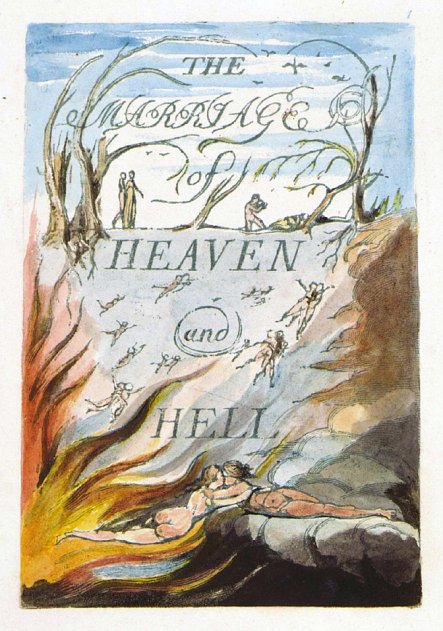
Blake's Devil is no diabolical fallen angel, but a rebel hero turning his back on a church that seeks to suppress the true nature and love of humanity. And, Blake's Hell is no place of punishment, but a place of freedom where people can be what they truly are. This poet and engraver was considered a radical and an eccentric in his own time, partly because of his beliefs about religious dogma and doctrines. He believed them to be harmful and detrimental to humanity, and he wrote often in support of turning away from organised religion. Instead, he proposed that humanity would do better to explore its true nature, rather than deny it for religious reasons.

Proverbs of Hell is written in imitation of biblical proverbs but, instead of laying out a dogma by which he believed readers should live by unquestioningly, his proverbs are meant to provoke and inspire thought. Again, Blake was seeking to unshackle his readers from the chains of organised religion, hoping that they might then be one step closer to reality. "If the doors of perception were cleansed every thing would appear to man as it is, Infinite. For man has closed himself up, till he sees all things thro' narrow chinks of his cavern."


- The road of excess leads to the palace of wisdom.

- A fool sees not the same tree that a wise man sees.

- The busy bee has no time for sorrow.

- The pride of  the peacock is the glory of God.

- The nakedness of  woman is the work of God.

- One thought fills immensity.


Perhaps a few of those seem familiar, and perhaps you can see why Blake's ideas seemed radical; pride and nudity being natural and God's intention sits uncomfortably with a church that extols the virtues of restraint and modesty! These are but some of Blake's proverbs.

Again, I am glad that Blake's work has found its way onto my shelves. Though perhaps you are getting a little tired of my writing so much about it; I promise I am not proselytising, not trying to convince you, I just like talking about William Blake this much!


Having said that, ahem, if you would like to read more Blake, you can purchase The Marriage of Heaven & Hell here, or you can purchase the Vintage Classics' selection of his poetry here, from bookshop.org, who support independent bookshops.


If you enjoyed this piece, please do consider following/supporting me over at ko-fi, a platform specifically for creatives and their followers. All support is gratefully received, and very much appreciated!

Thank you for reading. Stay safe. Stay well. And, read lots of good books!

"And did those feet in ancient time" by William Blake - a review and analysis


Disclaimer: should you make any purchases through links in this blog, I may earn a commission from the seller, but that does not impact upon the cost to you as the consumer, nor does it influence the content of this blog.

This poem of four stanzas is probably one of Blake's better known contributions to poetry. Here he considers the tale that Jesus might have visited England. However, rather than ponder the likelihood of Jesus ever having really set foot on English land, he considers the divinity that such a visit would have brought to England, and he compares that heavenly ideal with the "Satanic Mills" of the Industrial Revolution.

Much of Blake's work was concerned with humanity, and striving for good. If you read my earlier post on his poem, William Bond, you will know he considered the common love that can exist between people. And, in this poem, And did those feet in ancient time, one need not be particularly religious or a believer in Christ to appreciate its message; Blake has used the idea of Jesus visiting England to consider the problems of the Industrial Revolution (destruction of "green & pleasant Land" for a start) and how we might strive to make a better society for all.


Bring me my Bow of burning gold:

Bring me my Arrows of desire:

Bring me my Spear: O clouds unfold!

Bring me my Chariot of fire!


If you have been reading my posts recently, you will know that I am a bit stuck on Blake at the moment; in a good way though. And, that's because, to put it simply, his poetry speaks to me. I can't really put it any simpler - or more sickeningly corny - than that. He speaks of a desire for a better world, more love and understanding between people, striving for a better society, equality . . . His ideals sound almost like those of any modern person who is engaged, and aware of the ways of the world. But, Blake walked this world two centuries ago!

If you would like to read more of Blake's poetry, you can find links to a couple of his collections in previous of my blog posts here and here, from bookshop.org, who support independent bookshops.


If you enjoyed this post, or any others, please consider following/supporting me over on ko-fi, a platform specifically for creative types and the wonderful folk that follow them. All support is gratefully received and very much appreciated!


Thank you for reading. Stay safe. Stay well. Read lots of good books.

The Birds, from William Blake's notebook - a review and analysis


Disclaimer: should you make a purchase through any links in this blog, I may earn a commission from the seller, however that has no impact upon you as the consumer, and has no influence on the content of this blog.

The Birds is a flowing lyrical poem of five stanzas, each stanza consisting of four lines. The poem is an exchange between two birds, a male and a female; the poet having fancied a translation of the meaning behind the birdsong. As a lover of walks in the countryside, and at this time of year hearing plenty of birdsong where I go, I could imagine the birds of the title calling to each other, and that perhaps the song could be translated as Blake has done so here. His translation might be romanticising the birds' motives a little, but this is poetry, and I think we can allow ourselves a little romance.

In using two birds calling to each other, Blake is able to explore a theme of lovers uniting, or reuniting. Blake was something of a radical, and he was forward thinking with regard to many issues. But, in this poem, we find him tackling nothing weightier than the beautiful imagery of nature and love at its purest. Still, it could be argued, love and nature is what it all comes down to eventually.


Dost thou truly long for me?

And am I thus sweet to thee?

Sorrow now is at an End,

O My Lover & my Friend!


This little poem charmed me. It's gentle cascade as it comes forth from the readers lips is lyrical and songful. And, the imagery, of two small birds singing to each other, calling to each other for the sake of love and coming together in natural endeavour, is simple but effective. But, as a dreamy headed country boy, maybe that's just me!

In my last post, I recommended a copy of Penguin Classics' selected Blake poems, here I will recommend the Vintage Classics copy of Blake poems, here, from bookshop.org, which supports independent bookshops.


If you enjoyed this piece, perhaps you would consider following/supporting me over at ko-fi, which is a platform specifically for creatives and fans of their work. All support is gratefully received and very much appreciated!

Thank you for reading. Stay safe. Stay well. Read lots of good books.

William Bond by William Blake - a review and analysis


Disclaimer: should you make any purchases through links in this blog, I may earn a commission from the seller, however, that has no impact upon the cost to you as the consumer, nor does it influence the content of this blog.
 

William Bond is a poem of thirteen stanzas, each stanza made up of four lines, in which we follow William Bond, and his struggle between acting out of religious duty, following religious doctrine, or acting out of natural love for humanity. This love is not the love of romance, but the love that exists for and between us all, or, at least, the love the narrator of the poem hopes can exist between.

We follow the character to church on a May morning, where he is accompanied by fairies; symbols of love, imagination, hope - humanity. However, we are told, the fairies are driven away by "Angels of Providence", and that he returns home in misery. Religious dogma does not empower or embolden, rather it quashes and oppresses. 


He went not out to the Field nor Fold,

He went not out to the Village nor Town,

But he came home in a black black cloud,

And he took to his Bed, & there lay down.


This rhyming poem flows beautifully, and is a pleasure to read. And, I pass along advice that I once received - read your poetry aloud, taking your time with each word and how the syllables beat. This poem reads like a song, like lyrics and, as I say, flows well. Flows so well in fact that I felt a need to go back and read it again, more slowly, taking more time to take in the content of the poem. But, that is how poetry ought to be read really; with time and patience and care.

If you would like to read more of Blake's poetry, you can purchase a Penguin Classics copy of his selected poems here from bookshop.org, who support independent bookshops.


I hope you enjoyed this piece and, if you did, perhaps you would consider following and/or supporting me over at ko-fi where I update often on what's going on here, and what I am up to in other of my writerly endeavours! All support is gratefully received and very much appreciated!

Thank you for reading. Stay safe. Stay well. Read lots of books.