Ko-fi

Showing posts with label controversy. Show all posts

5 banned books from my bookshelves


Disclaimer: Monsta Reader is affiliated with bookshop.org and Waterstones. If you should make a purchase through any of the links in this blog, I might earn a small commission from the sale. However, this does not affect the price of the items, and it does not influence the content of this blog.


I find it hard to believe that we still live in a world where books are banned (www.theguardian.com) and burned (www.theguardian.com). There is something sinister about a crowd cheering on as books are piled up and incinerated. Scenes like that are weighted by haunting images from ninety years ago. But, even without comparisons like that, it is a dumb, threatening, and violent act. It does nothing to challenge the ideas expressed in the works, it just obliterates them, in a way that can only be taken as intimidating and aggressive.

Of course, there are writings out there that are harmful, there are those that seek to incite hatred. There are those that have written in ignorance and, in their ignorance, potentially justify harmful ideology in the minds of others. What do we do about that, assuming that they ever get past editors and are published? Do we tear them from their platforms? 

You might hope that the ignorant writer never sees their work published or that, when they are challenged, they respond and a healthy debate is developed. One that exposes harmful and ignorant ideas for what they are, and leaves only truth. Alas, I'm afraid that sometimes the ignorant are turned in to martyrs when they are challenged and dethroned. Even fools need a king or queen to glory under, a banner to fly.


Whatever. I weep for the world sometimes, and I yearn for one in which pastors don't burn young adult fantasy fiction in the name of Jesus Christ. Personally, I think the sight of a crowd jeering and throwing books onto an inferno is a greater advertisement for a life without Christianity than anything in those books!


In todays post, I am going to take five books from my shelves which have been banned in the past, and consider them, their contents, and how they caused offense . . .


1. The Adventures of Huckleberry Finn by Mark Twain


"We said there warn't no home like a raft, after all. Other places do seem so cramped up and smothery, but a raft don't. You feel mighty free and easy and comfortable on a raft."

Huck escapes from his alcoholic father by faking his own death, and so begins his journey through the Deep South, seeking his own way, and his freedom. This novel takes in themes of prejudice, bravery, and hope, and is considered a great American novel.

This book came to be controversial because of its coarse language, including the use of racial slurs and the way in which Jim, a runaway slave and key character in the novel, was portrayed. However, there is much in Twain's story that shows he strove to humanise the character of Jim, though this might fall short in the eyes of modern readers. Language in the book, especially the racial slurs, have inspired conversation about how to teach literature, and issues found within, in classrooms. 

You can purchase The Adventures of Huckleberry Finn by Mark Twain here.


2. Lady Chatterley's Lover by D. H. Lawrence


"She had come to the real bed-rock of her nature, and was essentially shameless."

Constance Chatterley feels trapped in her sexless marriage to Sir Clifford. She is attracted to Mellors, her husband's gamekeeper, and she embarks upon a passionate affair with this man, an affair that brings new life to her stifled existence. This is considered one of the most controversial novels in English literature, it is an erotically charged exploration of adult relationships and class division.

How sex, language, and class are explored in this novel has shocked readers since its publication. When Penguin published a full unexpurgated edition in 1960, this novel was the focus of an obscenity trial in Britain. When a verdict of "not guilty" was returned, on 2 November 1960, it led to greater freedoms in publishing.

You can purchase Lady Chatterley's Lover by D. H. Lawrence here.


3. Naked Lunch by William S. Burroughs
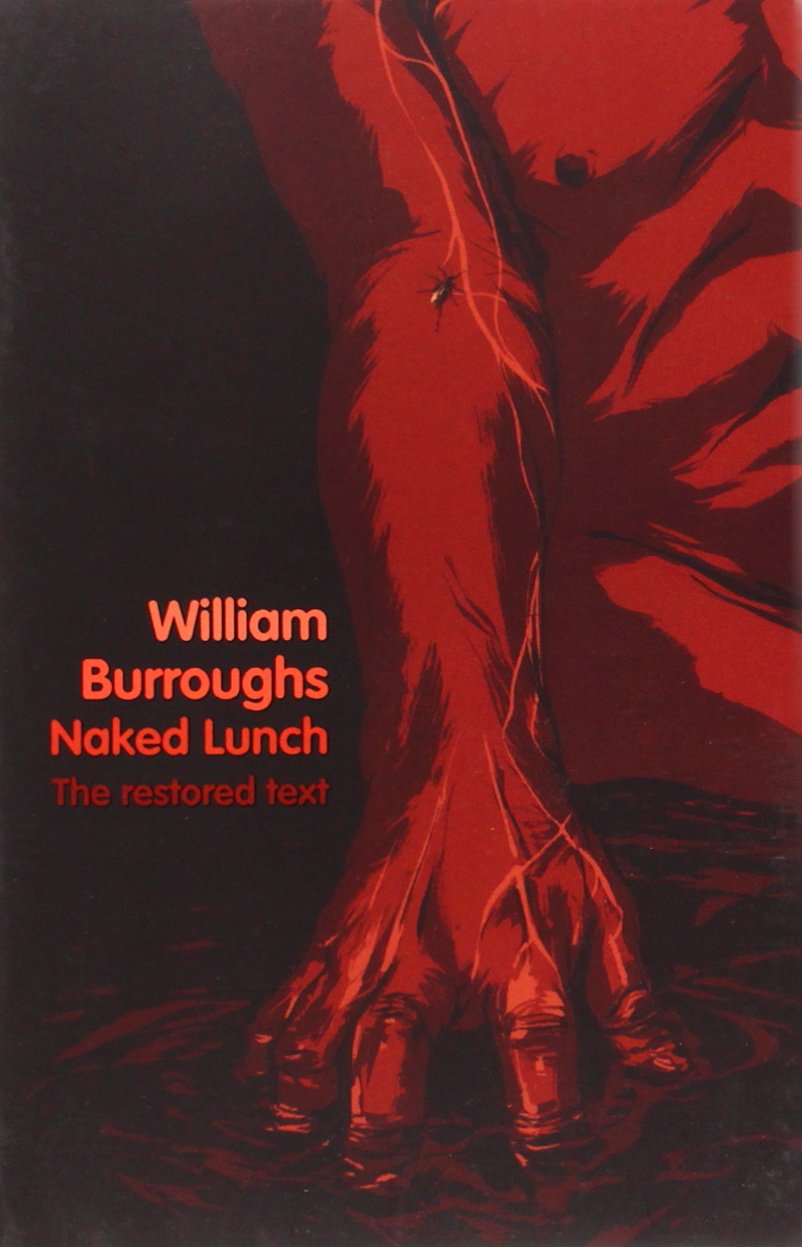

"Look down at my filthy trousers, haven't been changed in months . . . The days glide by strung on a syringe with a long thread of blood . . . I am forgetting sex and all sharp pleasures of the body - a grey, junk-bound ghost. The Spanish boys call me El Hombre Invisible - The Invisible Man . . . "

J. G. Ballard called this a "rollercoaster ride through hell", and as we follow the protagonist, William Lee, in this loosely connected series of vignettes, violent portraits of a junkie existence, it certainly feels that way. With raw and vivid use of imagery to convey the world in which this character lives, we are drawn into the surreal life of the addict.

There is much going on here in this novel from Burroughs. It takes in themes and images of violence, sex, and drug use; more than enough get a work banned! But, Burroughs was no shock writer - his life was a controversial one, containing within it much of its own drug use and violence.

You can purchase Naked Lunch by William S. Burroughs here.


4. Wild Swans by Jung Chang
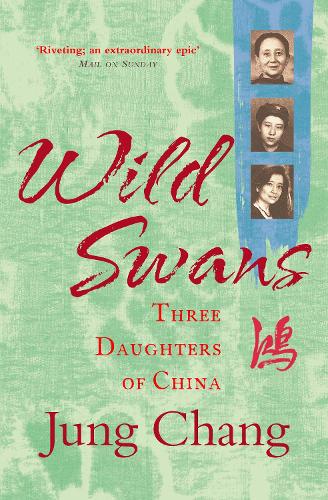


Unlike the other entries on this list, this is not a work of fiction but a history, recounting the lives of three generations of women. The author, Jung Chang, writes the biographies of her grandmother and her mother, and the book concludes with her own autobiography. In the telling, she takes in what it has meant to be a woman in China throughout the last century, the country's political landscape, and how violence and torture have been used there.

This is history as it has touched upon the author's family; epic and sweeping.

It is banned in mainland China. Obviously.

You can purchase Wild Swans: Three Daughters of China by Jung Chang here.


5. Alice's Adventures in Wonderland by Lewis Carroll


We're all mad here.

When you fall in to Wonderland, you meet some unforgettable characters: the White Rabbit; the Mad Hatter; the Duchess; Tweedle Dum and Tweedle Dee; and the grinning, mad Cheshire Cat, amongst others.

So, why and where was this book banned? Well, in China's Hunan province, in 1931, the book was banned because the censor general was offended by how the animals were depicted. Maddened by how the animals had been allowed the use of human language, how they had generally been raised to the level of human beings, the book was banned.

You can purchase Alice's Adventures in Wonderland, and Through the Looking Glass by Lewis Carroll, with illustrations by John Tenniel here.


Thank you for reading. Just before you go, can I ask you to consider supporting this blog with a coffee from ko-fi.com - the caffeine keeps me reading all those controversial books!

If you can, please do support this blog, with all my writerly ambitions, it really is a great boost. And I thank every reader and supporter, because you keep me going!

Discovering sex in literature!

 Disclaimer: Monsta Reader is affiliated with bookshop.org, and Waterstones. If you should make a purchase through any of the links in this blog, I may earn a small commission from the seller. However, this does not affect the cost to the consumer, and it does not influence the content of this blog.


Sex scenes in literature and erotic fiction can be cringe worthy. In fact, the Literary Review's Bad Sex in Fiction Award has selected a work each year since 1993 to "honour" for, well, bad sex in fiction.

But, sex can also be used as a device to challenge ideas, and open up discussions about social mores and sensibilities.

In this post, we are going to take a little look at five books that feature sex, and sexuality, because we all have a relationship with sex, and it is as worthy a subject or theme to explore in literature as any other!


1. Crash by J. G. Ballard


Originally published in 1973, this is a classic of underground literature.

'In a sense, pornography is the most political form of fiction, dealing with how we use and exploit each other, in the most urgent and ruthless way.

'Needless to say, the ultimate goal of Crash is cautionary, a warning against that brutal, erotic and overlit realm that beckons more and more persuasively to us from the margins of the technological landscape.'

- J. G. Ballard, from a 1995 introduction to the novel

You can purchase Crash by J. G. Ballard here.


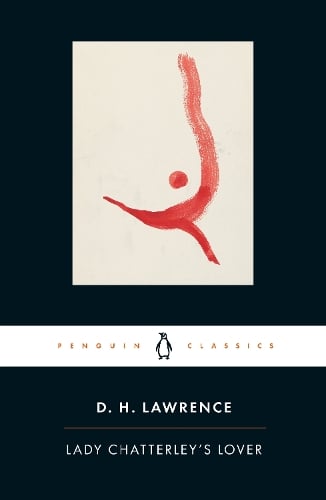
2. Lady Chatterley's Lover by D. H. Lawrence


Constance Chatterley feels trapped in a sexless marriage to Sir Clifford. She is attracted to Mellors, her husband's gamekeeper, and she embarks upon a passionate affair with him that sparks new life in her stifled world. The novel itself sparked tremendous controversy on publication, and is still an erotically charged and powerful novel today.

You can purchase Lady Chatterley's Lover by D. H. Lawrence here.


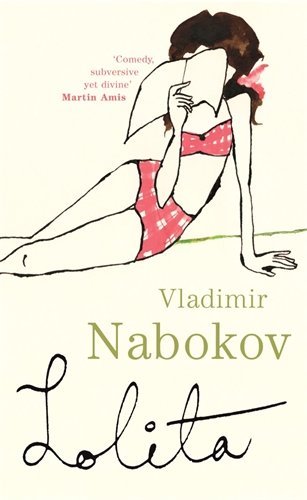
3. Lolita by Vladimir Nabokov


Humbert Humbert - a doomed monster, scholar, and the unreliable narrator of this tale - has fallen hopelessly in love - or a delusional lust - with Dolores Haze, or Lolita as he calls her, his landlady's twelve-year-old daughter. This novel is all about obsession, delusion, lust, and objectification.

You can purchase Lolita by Vladimir Nabokov here.


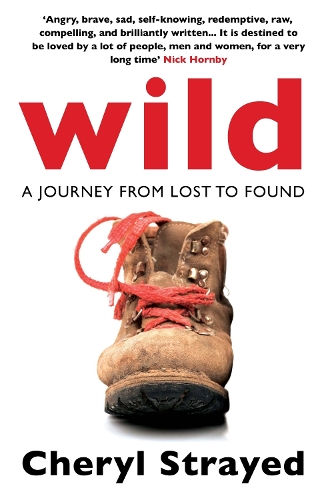
4. Wild by Cheryl Strayed


Unlike previous entries, this is not a novel, but the author's recounting of her experience hiking the Pacific Crest Trail. However, there are scenes in the book where Strayed writes candidly about her sexuality.

In the wake of personal loss, the author uses sex as a means to self-destruct, and distance herself from her marriage. But we find that sex can also be healing, and a means of connection to something profoundly beautiful.

We find here that sex can be an empty act, but it can also be empowering.

You can purchase Wild by Cheryl Strayed here.


5. The Story of My Life by Giacomo Casanova


Casanova, whose very name is synonymous with sexual conquest, was also a swashbuckler, a poet, a storyteller, and many other things in his adventurous life. This collection of his memoirs (unfinished at the time of his death in 1798) highlights his youth in Venice, his dabbling in the occult, encounters with great literary figures, and, of course, many amorous encounters. 

His was an adventurous life.

You can purchase The Story of My Life by Giacomo Casanova here.


Thank you for reading. If you enjoyed this piece, I ask that you please consider supporting this blog with a coffee on ko-fi.com - the caffeine keeps me collating steamy reads, so you don't have to! Thank you to all readers and supporters!


5 ways to write a protest novel

 Disclaimer: Monsta Reader is affiliated with bookshop.org, and Waterstones. If you should make a purchase through any of the links in this blog, I may earn a small commission from one of these sellers. However, this does not affect the cost to the consumer, and it does not influence the content of this blog.


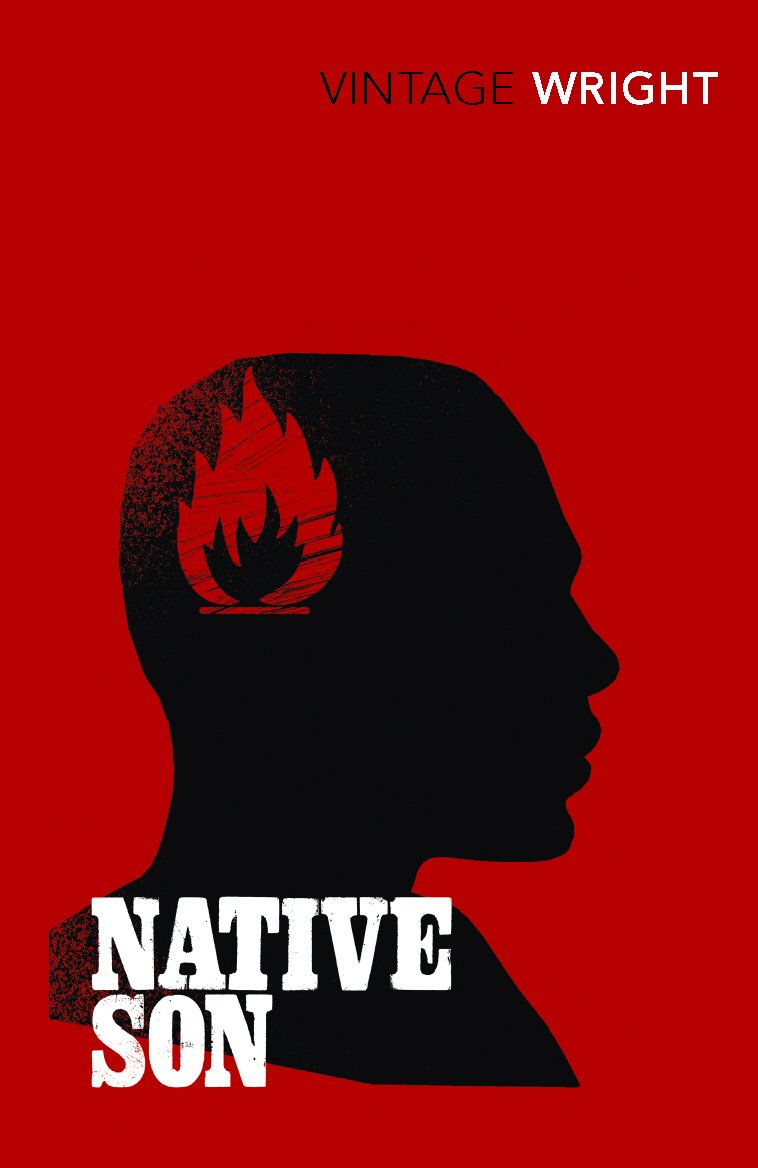
1. Native Son by Richard Wright


This novel is the reason I decided to make protest novels the subject of this blog piece. 

This novel was written as a protest, and was first published in 1940. It made its author, Richard Wright, the first Black best-selling author in America.

In Native Son, we follow the protagonist, Bigger Thomas, a young Black man who is trapped in poverty and the slums of Chicago. This is a novel that shocked readers at the time, and still has the power to do so today.

You can purchase Native Son by Richard Wright here.


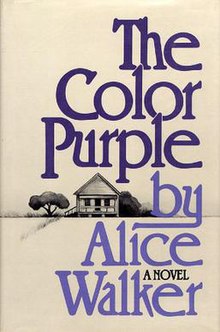
2. The Color Purple by Alice Walker


A classic. Winner of the Pulitzer Prize and a National Book Award.

Set in the deep American South between the wars, this epistolary tale brings us into the world of Celie, a young Black girl born into poverty and segregation. She meets Shug Avery, singer and magic-maker - a woman who has taken charge of her own destiny. 

You can purchase The Color Purple by Alice Walker here.


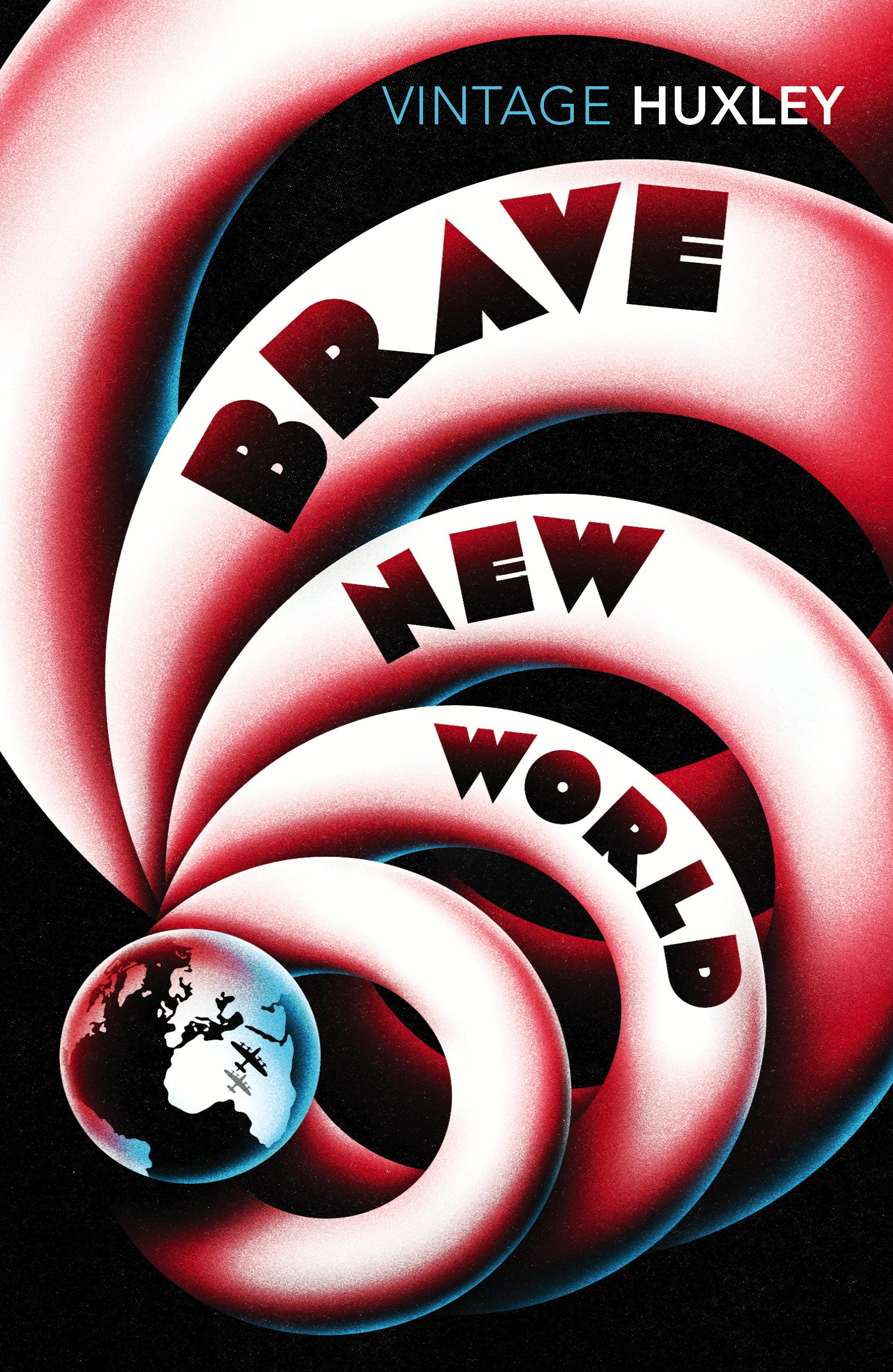
3. Brave New World by Aldous Huxley


Another classic, and one that still has the power to provoke thought and shock the reader.

World Controllers have created the ideal society. But Bernard Marx feels alone, harbouring a vague desire to break free. 

It is hard to read this book and not draw parallels between what lies within and our own world . . .

You can purchase Brave New World by Aldous Huxley here.


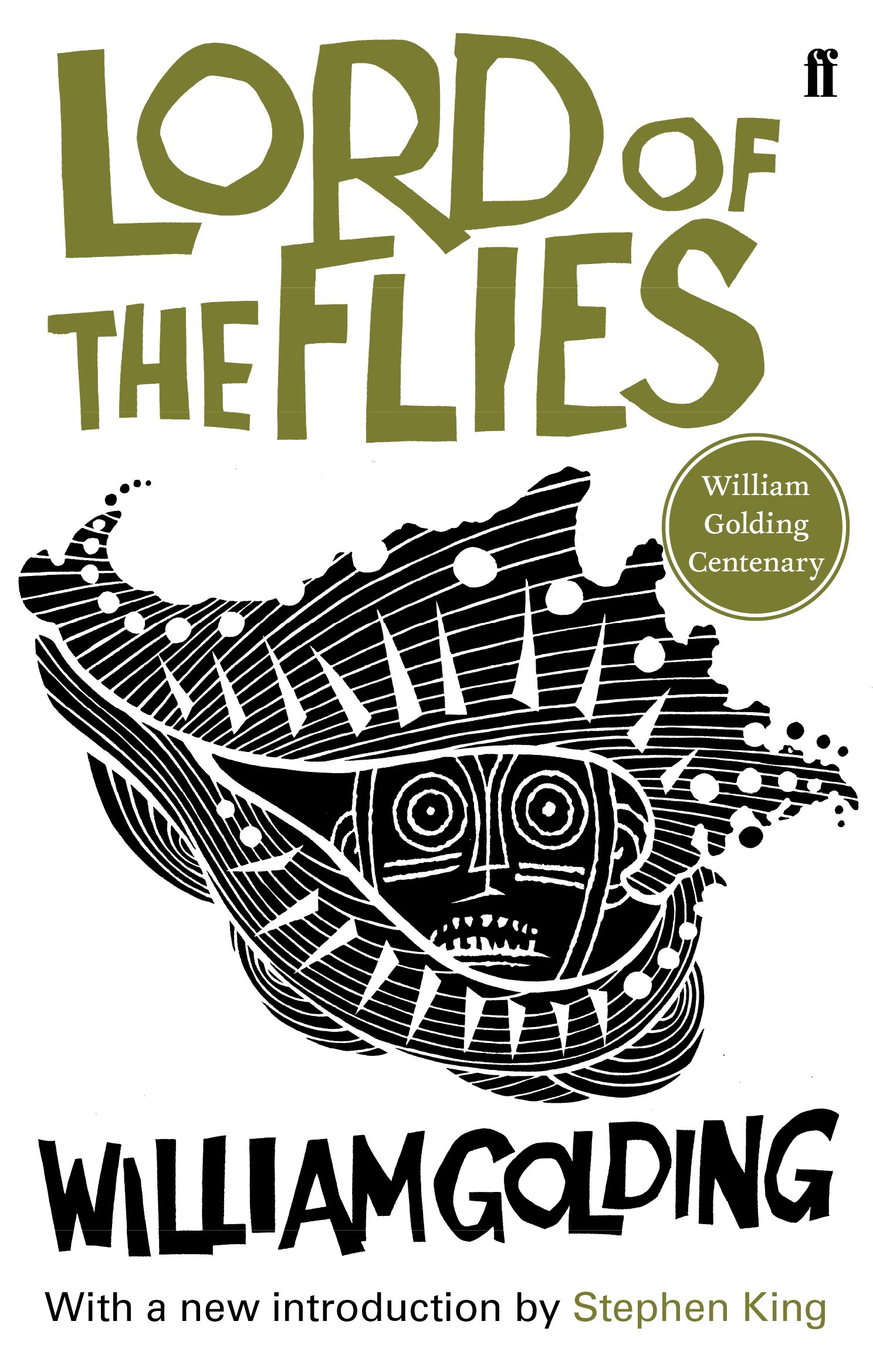
4. Lord of the Flies by William Golding


If you've read this novel, you know its power.

This book was published sixty-eight years ago, in 1954.

A group of schoolboys are deserted, stranded, on an island after a plane crash, and they await rescue. This tale is a warning of what comes when order fades, of how, when rules of society are abandoned, something cruel and savage can take their place.

You can purchase Lord of the Flies by William Golding here.


5. Noughts and Crosses by Malorie Blackman


Callum is a nought. 

Sephy is a Cross.

In their world, noughts and Crosses do not mix. But Callum and Sephy are determined to be together.

This is a novel that will absorb you.

You can purchase Noughts and Crosses by Malorie Blackman here.


Thank you for reading. I am passionate about books and hope that my pieces reflect that. That passion is why I share this content with you. If you can, please consider supporting me with a coffee on ko-fi.com - the caffeine keeps me reading, reviewing, and writing! Thank you to every supporter and reader!


When books cause offence and how we work through those feelings!


Disclaimer: should you make a purchase through any of the links in this blog, Monsta Reader may earn a commission from the sellers, but this has no impact on the cost to the consumer and it does not influence the content of this blog.


To begin with I have to confess that, until recently, I had not heard of Kate Clanchy or her memoir. That was until I became aware of a discussion surrounding that particular work taking place on Twitter, and the reaction that it had inspired from Philip Pullman on that social media platform.

Since having heard of the author and the book, what I've heard has not made the memoir particularly attractive to me; with problematic language concerning race, people with disabilities, and class having been highlighted by writers and readers. The passages have been reported on widely now and I won't reproduce them here but, to my eye, they read more like passages from a book that might have been written fifty years ago.

Perhaps though, that is a misconception that I have the luxury of being able to labour under, because I do not see the presence of these attitudes today as much as I might if I weren't looking at the world through white and able eyes. I am fairly certain that I have said, done, and thought extremely foolish things exactly because I have sometimes been stupid enough to not consider the other point of view and the experiences of others. I hope though that I am learning better.


No, I haven't read the book at the centre of the controversy so what I can say about the work is limited by that. However, I did become aware, after the fact, of the abuses directed at writers such as Monisha Rajesh and Dara McAnulty online. And that saddens me, as it should.

I have always thought that the bookish side of Twitter was relatively unproblematic. A friendly and welcoming space. One does like to think that the bookish are a considerate and intelligent bunch. But, alas, it seems that isn't always the case.

Instances like this have the power to highlight wider problems. When the language used in the memoir was pointed out as problematic, it was a gifted opportunity for the author and readers to listen and learn. Instead, the author chose to deny and refused to engage initially. Other writers sprang to her defense and were dismissive of the issues raised. This perhaps encouraged the abuse that followed, directed at those that had highlighted the offensive passages.


According to a poll from 2017, the vast majority of the publishing industry identifies as white. A fact that is very telling. It suggests that it is the white perspective that is still very much getting represented in the literary world, and that perhaps works are passing in front of eyes that might miss offensive and problematic content because of what they do not see.


There are those that will argue the point at any hint someone is trying to censor books or dictate what can and can't be said by writers. And this is understandable; censorship and erasure of literary works has its own problematic and horrific history. However, it would seem nobody who highlighted the offensive content in this book was seeking the book be banned, taken from shelves, or pulped. Instead, they seem only to have sought to shine a light on why they had taken issue with the language of the book. They sought only to ask the questions that needed to be asked. And perhaps they hoped that by having the discussion they could draw attention to a still present problem.

However, rather than being heard and considered, their attempts were dismissed. It's a bad habit that we white readers and writers must break. After all, we are not the only readers and we are not the only ones harbouring writerly hopes and ambitions.


As I write this, I am aware that there is possibly much that I haven't touched upon, that which deserves time and consideration. I write this piece as a book lover, as someone who puts a lot of stock in those who are writerly and bookish. I have the luxury of not being directly impacted by the words and passages written in the book, because I have the luxury of never having been subjected to dehumanising language from others based on my race or a condition with which I have been diagnosed. I am also aware that I may have gotten things wrong myself. I hope that I haven't, because I wouldn't want to cause hurt to anyone reading this, but if I have, I hope that I can learn better.


If any of the preceding is written poorly, please do forgive me. I had my second dose of the Pfizer vaccine yesterday and it left me a bit more tired than usual. Still, I will take tiredness and a decline in quality of writing for the vaccination. However, if you have any criticisms then please throw them my way. If you have any praise, I will happily take that too! 

Thank you for reading.

If you found any value in this piece, you can buy me a coffee over on Ko-fi; it turns out that once you reach a certain age, you don't get lolly pops for getting jabs any more, but I'll take a coffee for writing instead! All support is gratefully received; it keeps me writing, so thank you!


A Few Banned Books


If you pursue bookish/writerly endeavours of your own, please do keep reading to the end of this piece . . . .

Even back when tweeting was just the sound a bird made, people felt awfully threatened by thoughts and words they didn't agree with. But, you can't block a book or its author, so, instead, some tried to ban the works instead. What follows are a few of the books from my shelves which, at one time, in some place, have been banned for various reasons.


Brave New World by Aldous Huxley

Anyone that has visited my blog before, or perused previously published posts (do love a bit of alliteration), will know that I have a lot of time for Huxley. Huxley had the courage to critique the absurdities of politics and society as he saw them. In Brave New World, the author demonstrates how an ideal society might be created through the use of genetic engineering, brainwashing, recreational sex, and drug use; a dystopia presenting as utopia. The novel was banned in Ireland when it first appeared, in 1932, because they saw it as taking a stand against religion and the traditional family, but even just ten years ago a piece was published in The Guardian newspaper suggesting it was a book that many Americans took offence with (here is the article).


Animal Farm by George Orwell

Much like the author in the preceding entry, Orwell's fame stems from works that analyse and criticise political and social ills. Along with 1984, this novel secured George Orwell worldwide fame and recognition. However, not all of that recognition was favourable. Animal Farm is a veiled attack on Stalin and his brutal brand of communism. As you can imagine, the work was banned in the USSR. However, it is also, even today, banned in both Cuba and North Korea, both communist countries under a dictatorship. You might also be interested to learn that many countries in the Islamic world also have a ban on the novel. Why? Because it features talking pigs.


The Catcher in the Rye by J. D. Salinger

This book has been held up as a classic by its fans; a book that takes an honest look at the cares, fears, anxieties, and ennui of teenage life. Its protagonist, Holden Caulfield, is one of literature's defining moments in exploring adolescent angst. However, this novel was the subject of a ban in American schools almost since its publication. Being seen as a subversive text that included far too much sex, swearing, and violence for some to feel comfortable with (though, I don't think you are supposed to feel comfortable reading these books, that's kind of the point), one teacher in Tulsa, Oklahoma, was even fired in 1960 for assigning the book to his class. As an interesting aside, the novel popularised the slang term "screw up" - Boy, it really screws up my sex life something awful.


Lady Chatterley's Lover by D. H. Lawrence

Sex. We all have some relationship with it, many of us have had pleasant experiences because of it, and a lot of us want it. But, boy, that doesn't stop us from feeling pretty damn uncomfortable around it. This novel is erotically charged and explores adult relationships, and the gulf between classes. And so, of course, it was banned. The book was published in 1928, but it was banned in England, America, Canada, Australia, India, and Japan. It wasn't until 1960 that the novel was published, as an unexpurgated edition, in the United Kingdom, which resulted in an obscenity trial, under the Obscene Publications Act 1959. Penguin Books was found "not guilty" by the jury, and the publisher dedicated the second edition to the three women and nine men who made up that jury.


Thank you for reading this piece. In an upcoming post, I would love to promote others who pursue bookish/writerly endeavours. So, if you have an Etsy shop that sells bookish gifts, or you have a writerly/bookish blog, or anything else that's bookish/ writerly, all I want you to do is come and follow me on Twitter (here), and send me a message there, or a comment beneath my pinned tweet, with any links to websites or social media platforms you would want potential customers to know about!

I hope you enjoyed this piece. If you did, please consider following/supporting me on ko-fi - if everyone who read this piece donated just the minimum, it would be a huge boost, and it would be gratefully received. 

Thank you, and see you soon.


Bookish Controversies


Are there any books on your shelves that might be considered controversial? Are there any books there within which you could find some outdated attitudes, ideas, and values? Are there any authors on your bookshelves that are considered controversial, or even bigoted?

I can tell you, I would have to answer in the positive to each of those questions.

So, what do we do about it?

Recently Dr. Seuss Enterprises announced that it was going to discontinue the publication of six books written by Seuss because of racist content. This led to much discussion in the online book community, and beyond. There were those that thought the decision to be the right one. And, there were those who feared this to be another example of "cancel culture".

As we progress, societally, values will change. We will, rightly so, find ourselves having discussions that we haven't had before, realising that there are sections of society that we have neglected. And, as readers, we will find evidence of this in books from the past, books such as those written by Seuss. 

I have recently been reading books by Jerome K. Jerome, and between the pages of those books I have found passages describing races, ethnic groups, and women in a manner that has made me raise my eyebrows. I am a fan of Dickens, but the character of Fagin makes me feel a tad uncomfortable - accusations of stereotyping and prejudice have hung around the character since Oliver Twist was published. Fagin is often described as "the Jew" throughout the novel, and he is portrayed as being a deceitful, villainous, and covetous criminal. However, Dickens defended the character, saying that he was simply representing a section of society that truly existed. And, in a way, he was right - in Victorian London, there was a large, poor Jewish community who were, in some cases, driven to crime. However, they were driven to that by an anti-Semitic society that offered them little opportunity.

As an adult, I am able to consider history, changes in values, evolving conversations, etc. I am able to appreciate that available knowledge evolves. However, coming back to Seuss, children's books are a little different - it's a little difficult to try and explain to a five year old the nuances, and just how the authors depictions of people is ignorant and prejudiced. And, it isn't only Seuss whose work has been reevaluated, there are a number of children's stories that have been revised or found themselves under the spotlight in the light of evolving discussions - Dr. Dolittle, Peter Pan, and Little House on the Prairie, to name a few.

There are some, mind you, that might argue these books offer parents the opportunity, and are a useful tool, to discuss with their children how ideas have changed, to demonstrate that once commonly held views can prove to be wrong and unfair. That's definitely a discussion worth having, in my opinion, for it would be awfully conceited of us if we were to believe that our own commonly held beliefs, at this point in history, are infallible and ought to be kept forever and always.


The discussion around environmental issues seems to have moved toward the fore in recent years. With animal welfare a concern for many, climate change, decreasing levels of biodiversity, etc., and these problems still receiving less attention than they truly deserve, we can probably expect future generations will consider our general attitude towards environmental issues, and how we discuss them in our literature, to be lacking. That's but one example, and we are probably writing about things now, with little thought or consideration, that, to future generations, will seem problematic and toxic. 


Conversations evolve. In recent times, it has been suggested that thrillers and murder mystery novels which rely upon female victims ought to be addressed. And so they should! It is very difficult, critics say, to address the problem of violence against women in our society when we are being sold violence against women as entertainment, for titillation. However, others might argue that, violence against women being the problem that it is in our society it warrants discussion and analysis in art and creative work. 

Perhaps then, is it the way in which we discuss these topics? If a novel really addresses an issue, can we forgive it and the author for relying on old tropes? If the issue is considered well, and not just used to sell the story?


In modern times, the conversation around how historically, culturally, societally marginalised groups are represented in novels has become a real topic of conversation amongst the reading/writing community. For this, in my opinion, we should be proud. If you are reading this blog post then you probably understand the power, the comfort, the wisdom, that can be found in books. That special way in which they can help us feel a little less alone. We ought to strive toward making sure this beautiful gift is afforded to as many people as possible, we ought to take into consideration those sections of society that have been denied that gift too long.


So, what of problematic authors? Do we separate the art from the artist? Or, is there a moral obligation to give up those works when we discover the writer to be toxic?

Since J.K. Rowling made some problematic comments online with regards to gender and trans people her stock has fallen amongst readers. She was once considered one of the most successful authors, and particularly kind, having given much to charity. However, she could now arguably be best described as problematic. I have read, in online comment threads, trans readers who, having loved the Harry Potter franchise, are hurt that novels in which they found hope, comfort, and joy have been written by someone who denies their existence.

When the Harry Potter books were originally published I didn't have much interest in them. I have never read a Harry Potter novel. However, they, being a series of books that feature on a multitude of "Must Read" lists, and Rowling having been considered one of the most successful writers of modern times, did eventually pique my interest. So, I have a couple of second hand Potter books on my shelves that I will get around to reading eventually. When I do, I will feel a tad uncomfortable about doing so, to be honest. However, I think that might be okay. If I am aware of the discomfort, that's okay, right? Besides, they are second hand books, so it's not like I sent any money Rowling's way.

It's okay, right?


When it comes to the question of whether or not we separate art from artist, I think that needs to be left up to the reader. For those that have been hurt by comments made by an author, there are many who have found comfort in that author's work. As I mentioned above, there are trans readers who are hurt by Rowling's words not just because of what she has said, but because they have enjoyed her writing. Even the people on the receiving end of a person's ignorance can find themselves in a position of having enjoyed that author's work! 

But, how to navigate that, when made aware of the author's questionable feelings?

Well, that is up to you, I think. It may be that you decide to only purchase that author's work second hand, therefore denying them your money. It may be that you have to give up what you have loved. It may be that you have to go back and reread the books, knowing what you know, to see if you see anything there that you hadn't seen before . . .

I think that has to be up to you.


There have been some very dangerous precedents set in the past by people who have felt justified in telling others what they can and cannot read. And, the vilest and most evil of acts can be built on good intentions. Books ought to explore many aspects of what it is to be human, to be alive, even, I fear, some of the uglier sides to us and our societies. I think, personally, we must leave it up to the readers what they read. We mustn't aggressively press readers to justify their choices. We must, readers and writers, begin to include those that have not been included in books. We must think about how characters are portrayed. We should read with questioning minds. We should read widely . . .

Or, at least, that's just my opinion.

If you have any questions or comments on this one, feel free to drop a comment. Perhaps I got something wrong, perhaps you disagree with something I said, perhaps you want me to show my working out . . . Whatever it is, I am happy to discuss. I kind of feel, this post being one about bookish controversies, there may be some of you that have a point of view you wish to share!


Anyway, if you enjoyed this post, feel free to follow and/or support me over at ko-fi - it keeps me writing, and it is very much appreciated! Thank you!