Ko-fi

Out of Love by Hazel Hayes – review


Disclaimer: this blog is affiliated with third party sellers. If you make a purchase through any links in this blog, I might earn a small commission from the sale. However, this does not affect the cost. And it does not influence the content of this blog.


Out of Love is one of those novels that has the power to blow away all the other books on your TBR pile. A headlining act.


The main themes with which it is concerned are nothing new – love and heartbreak. However, Hazel Hayes has written with an honesty and wisdom that is fresh and insightful.


After a break up, a young woman considers the relationship that led to her broken heart. Anyone who has been through a painful break up will know the time spent turning over the good times and the bad, trying to figure out exactly when things went rotten. Was it ever right? When did they stop loving me? And though Hayes is not the first author to consider love lost – far from it! – she has demonstrated a rare gift. She has written on love and heartbreak in such a way that it feels almost as though it had never been written about before.


Artists of all sorts have been inspired by heartbreak. We have the novels, songs, poems, paintings, and films to prove that. But when we must experience it for ourselves, it still feels gigantic, profound, and lonely.

And so, we turn to those works. For me, during my own last heartbreak, I remember playing a lot of Jeff Buckley. For others, you could do a lot worse than Out of Love.

Though, it is not only the heartbroken that might find something wonderful here . . .


In telling this story from the end of the relationship to the beginning, Hazel Hayes leaves the reader with all the hope and healing with which we begin romantic relationships. If it had been told the other way, we might be left feeling that it is a story of tragedy, of love turned foul. But there is healing and hope there in the relationship. Though it might not last, and though the ultimate destination might be painful, the journey was full of value.

In the end, it turns out, this is not a book about broken hearts, not entirely, but a book about the value of love. It is a book about what love can teach us, how it can heal. And why we ought to be open to it, despite past pains and losses.


My advice? At the risk of this posting being a tad to heavy on praise – though I think this novel is worthy – I will just say, read this book!


You can purchase a copy of Out of Love by Hazel Hayes here.


Before you go, would you please consider supporting this blog with a coffee for the writer via ko-fi.com?

The support of readers allows me to continue writing honestly about the books I have read. 

Thank you!

A Room With A View by E. M. Forster – analysis and review


 Disclaimer: this blog is affiliated with third party sellers, and if you make a purchase through links in this blog I might earn a small commission from the sale. However, this does not impact the cost of any items, and it does not influence the content of this blog.


E. M. Forster was known for writing on the theme of hypocrisy. And he did so wonderfully in this 1908 novel, a sunny story about love and social convention – this has been called the most readable of Forster's novels. This is a critique of Edwardian restraint. It is also a consideration of expectation and propriety, and how they stand up to genuine feeling and truth. Though the Edwardian era may be an alien world to many modern readers, these themes are everlasting. Do we not still live in a world of people torn between expectation and genuine feelings?


Lucy Honeychurch is visiting Italy, with her prim and proper cousin Charlotte acting as chaperone. And this is the beginning of things. Between the unconventional Emersons – Mr Emerson and his son, George – and her family, Lucy is pulled between social expectation and what stirs in her own heart. Confused by her feelings, she begins to wander down the path that she believes she ought to travel. But signs that this is not the way of greatest fulfillment and happiness reveal themselves.

The heart and truth must win out . . .


At 114 years old, the conventions and hypocrosies that Forster critiqued here might seem dated to the modern reader. But what does not date or become irrelevant is the struggle of trying to bridge the gap between one's inner and outer life. That is something that many a reader can understand. The question of being true to oneself when that might just upset your whole world. 

Forster though, a gay man who lived in a time and place when it was criminal to be so, knew that the heart must win. That truth and real feeling should rise. A world without these, a world of empty ceremony and loveless engagements, is a confusing and suffocating world.


You can purchase a copy of E. M. Forster's A Room With A View here.


Before you go, would you please consider supporting this blog, buying a coffee for the author via ko-fi.com?

A small tip from readers is much appreciated.

If you enjoyed this piece, don't forget to share, leave a comment, and subscribe for future posts.


Surrounded by Idiots by Thomas Erikson (and what I learned about myself)


Disclaimer: this blog is affiliated with third party retailers. If you should make a purchase through links in this blog, I might earn a small commission from the sale. However, this does not affect the cost of the books, and it does not influence the content of this blog.


I am a smidge of yellow, green, and blue. Though there is not much red in me, if any at all, that I can see. Though I was in a relationship with a red and I did not enjoy that very much at all.

By this, I mean that I am optimistic, creative, and easygoing (yellow); considerate, thoughtful, and a good listener (green); cautious, methodical, and unassuming (blue).

My ex was ambitious, impatient, and controlling (red). 

But, enough of all that . . .


Surrounded by Idiots is a method for assessing everyone that we communicate with, and how to communicate more effectively. The book uses the DISC method  of describing human communication and behaviour, and from there discusses and explores better means of how to understand, and be understood by, the people we meet. 

Erikson points out that, as we communicate with others, whatever our intentions, the people to whom we are speaking or writing will always receive what we say through their own lens. We all have our own points of reference, our own experiences, and our own individual levels of intelligence through which we filter the information we receive. So, communication depends very much upon the recipient. 

Erikson posits that once the reader understands this the easier they will be able to express themselves to others, and that the communicator will be able to adapt their message to the recipient.

The book also makes an effort to point out that all colours, all behaviour types are needed, and are of value. Because, as it turns out, we are not surrounded by idiots, just people who are reading a different map than our own.


I began this post with a little tongue-in-cheek revelation about myself and an ex-partner. Well, sort of lighthearted. 

This book reminds the reader to consider themselves and how they relate with others. The relationship between two people depends upon the effort that each makes to understand the other. If you cannot meet the listener, the person you are trying to reach, if you cannot make the effort, at least, then the breakdown in communication is the responsibility of each of you.

But this is not a blame game. This is about getting better. And that always has value, and is worth a try. For that reason alone, this book is worth a read, and worthy of its popularity. 


You can purchase a copy of Surrounded by Idiots by Thomas Erikson here


Before you go, would you please consider supporting this blog with a coffee from ko-fi.

I resist ad space here as much as possible, hoping to generate conversation rather than clicks. With the support of readers, I can write freely, with regard only for my own experiences and research, rather than commercial influence.

I am writing this blog post on my phone because my laptop appears to be on its way out. Any small donation will be very much appreciated – ko-fi.com

Thank you.

Eeny Meeny by M. J. Arlidge - analysis and review


Eeny Meeny by M. J. Arlidge (Photo from personal collection)


Disclaimer: This blog is affiliated with bookshop.org and Waterstones. If you should make a purchase through any of the links in this blog, I might earn a small commission from the sellers. However, this does not affect the price of the books, and it does not influence the content of the blog.


The central theme of Eeny Meeny is a dark and terrible question - how much could you endure before you would commit a horrible act? 

A killer is abducting people in pairs, holding them captive, and forcing them to choose which of them lives and which of them dies. And, on the hunt for this monster, is DI Helen Grace, and her team, a DI who has her own demons, which she manages in her own way - the infliction of pain.


Throughout the novel runs a theme of people trying to cope with their demons. From the victims of the killer, to the killer too, who has taken the darkest of routes. But there are also the members of DI Grace's team, with their own pains and losses they are trying to navigate. DS Mark Fuller's problems with his ex-partner have seen him falling into a bottle. And then there is Helen Grace, dealing with emotional pains through the infliction of physical pain upon herself.

Yes, this novel could be considered an exploration into the ways which people further their own misery, through the unhealthy ways in which they manage troubles and pains.


This novel, Eeny Meeny, was the first Helen Grace novel, and it spawned a successful series. And, as I found out, back in March, when I had a little Q&A exchange with the author, M. J. Arlidge actively enjoys exploring those dark corners of what it is to be human. You can read that interview here.


In Helen Grace, Arlidge has created a unique and fascinating character. She does not turn to drink or drugs, like other fictional detectives before her, to deal with the darkness in her life. She controls inner torment with physical torment. She is a matter-of-fact woman, devoted to her work. But, though she gives little away to her colleagues, there are signs of a deeper and richer inner life to DI Grace. Signs of a good and caring heart.

She is a character I find myself wanting to know better.


The book is fast-paced, with chapters short and delivering only what is necessary to tell the story - there is little fat here on this lean tale. I used to read quite a lot of crime fiction when I was younger, and this novel reminded me of why. I really enjoyed Eeny Meeny and, since I read the book, other novels in the DI Helen Grace series have been added to my bookshelves.


You can purchase Eeny Meeny by M. J. Arlidge here


Before you go, can I ask that you please consider supporting this blog with a coffee from ko-fi.com

It is through the support of readers that blogs like this survive, so, if you can please leave a small donation via the above link. However, if you are unable to do that, you can like, share, and subscribe - it all helps a writer survive!

Thank you for reading!

Oscar Wilde by Richard Ellmann - analysis and review


Disclaimer: this blog is affiliated with bookshop.org and Waterstones. If you should make a purchase through any of the links in this blog, I might earn a small commission from the sale. However, this does not impact upon the price of the items, and it does not influence the content of this blog.


Oscar Wilde's life was lived in two parts. In the first part, a famous literary man, celebrated and satirised in almost equal measure, an outrageous figure, but a respected author and playwright of Victorian London. In the second part, he was an exiled man, nearly broken by two years of prison and hard labour, fated to die lonely, scraping by on donations from the few still willing to give.

In this Pulitzer Prize-winning biography, Richard Ellmann brought the subject's life into sharp focus, from Wilde's fame and flamboyance, to his pain and depressions. Wilde is brought to life here.


It has been said that Wilde almost lived his life as though he were planning to be the ideal subject for a biographer, and it is hard to disagree with that assertion when you have finished the final page of Ellmann's work. 


The best biographies strip away at time and space, and make the subject more than just a sample of a life, something studied in cold analyses. The best biographers bring their subjects, regardless of the time or place in which they lived, to life, and that is what Ellmann did here. We find Wilde as a kind, innocent, and generous man. We find him as a man broken and pained by prison and exile, by the cold cuts from past friends, because of his homosexuality. We find Wilde as a man brought down by love and cruelty.

If you've any interest in literary history at all, or if you just have an appreciation for well written biographies, biographies written with real care and consideration, then you should know that this is a charming and captivating read. A truly excellent biography of a truly excellent man!


I have discovered that this biography can be somewhat tricky to track down, but if you should come across this book, be sure to snap it up! However, a more recently published biography of Wilde, Oscar: A Life by Matthew Sturgis, has received very favourable reviews that compare it to Ellmann's work, and this book is available here.


Just before you go, can I please ask that you consider supporting this blog with a coffee from ko-fi.com 

I resist ad space here as much as possible, preferring to generate conversation rather than sales and clicks. This allows me to write unrestrained, unbound by any commercial influence. Writing like this, done with care, is important in a world of advertisements disguised as articles and content created just to make a sale.

For good writing to survive, it must be supported. If good writing is going to stay afloat in the murky waters of the internet, it must be the readers that preserve it. So, I ask, if you are able to do so, and if you have found anything of worth in these posts, please consider a small donation through ko-fi.com. If you are unable to do this, then please like this posting, and share it on social media. 

Thank you, every reader and supporter!

Interview: Creating Detective Inspector Helen Grace


M. J. Arlidge, author of the DI Helen Grace series. (Image source: penguin.co.uk)

Disclaimer: this blog is affiliated with bookshop.org and Waterstones. If you should make a purchase through any of the links in this blog, I might earn a small commission from the sale. However, this does not affect the price of the items, and it does not influence the content of this blog.


A kick ass female Detective Inspector and exploring darkness inspired a successful series of crime thrillers for M. J. Arlidge, author of the DI Helen Grace series.

M. J. Arlidge, successful novelist, screenwriter, and producer, allowed Monsta Reader the opportunity to ask some questions recently - with the new Helen Grace thriller, Cat and Mouse, due for publication on 9 June 2022, I thought it might be a good time to look back to where it all started. In 2014, readers were introduced to DI Helen Grace in the first thrilling novel of the series, Eeny Meeny, and I was curious as to how it all started and where Helen Grace came from . . .


Monsta Reader: Crime fiction has given us many iconic fictional detectives. Were you inspired by any of them in your creation of Detective Inspector Helen Grace? Or did she come from somewhere else entirely?

M. J. Arlidge: The key thing for me when creating Helen was not to make her boring. Like many others, I always love the bad guys and girls, but sometimes find fictional heroes and heroines too straight, too nutritional. I wanted my protagonist to be different and I enjoy writing female characters more than men, so it was no accident that my hero was a woman. I also knew I wanted to avoid the clichés of failing marriages, drink problems etc., so I decided to opt for pain as my hero's emotional crutch. I was reading a lot of Stieg Larsson at the time and think I was influenced by him too. The unconventional, kick ass spirit of Lisbeth Salander is very present in Helen Grace.

First Helen Grace thriller, Eeny Meeny. (Photo from personal collection)

MR: For how long was DI Helen Grace a part of your life before readers met her in her first novel, Eeny Meeny, in 2014?

MJA: Not that long actually. I knew I had a concept I liked - a serial killer abducting people in pairs and forcing one to kill the other in order to gain their freedom - so then it was a question of populating this wicked world with interesting characters. That said, I started writing her in 2012 and she wasn't unleashed on the world until 2014, so I had her to myself for a couple of years!


MR: Did you always intend for Eeny Meeny to be the first in a series of novels? Did you suspect it would be as successful as it was?

MJA: When I first sat down with Penguin, I pitched them the first seven Helen Grace novels! I was showing off, I guess, but I was also showing that I wanted Helen to be a long running character. I was fortunate that my debut Eeny Meeny did really well, launching the series round the world. I have Richard and Judy to thank for picking it for their book club and getting the word out there.


MR: In DI Helen Grace's world, there is a lot of darkness. In the people that she is tasked with hunting down, but in her own life, and amongst her team too, there are demons being fought. Is it a struggle tackling such dark themes? How do you unwind from them?

MJA: No, it's not a struggle at all. I actively enjoy going into the dark corner of human experiences and finding out what makes people tick. My own life is completely different - safe, happy, chilled - so it's not hard to extract myself. Sometimes my research is dark and upsetting, so then it's great to be able to step away from it and spend time with family, or play tennis or, of course, read a good book!


MR: How do you think you would fare in that world? Hunting down killers?

MJA: I think I would be pretty bad, as I come from a family of cowards. I suspect I would probably hide in the cupboard until it was all over and hope to be the last man standing.


Thank you to Matthew Arlidge for taking the time to answer these questions. You can find Matthew on Instagram and Twitter, and new Helen Grace thriller, Cat and Mouse, is due for release on 9 June 2022.

You can purchase Eeny Meeny by M. J. Arlidge here.

You can pre-order Cat and Mouse by M. J. Arlidge here.


Thank you for reading. Before you go, can I ask that you please consider supporting this blog with a coffee from ko-fi.com - the caffeine keeps me asking questions and turning pages!

I resist ad space, wanting to generate more than sales here. With writerly ambitions, I throw myself on the kindness of readers to support the blog and the time that goes into maintaining its presence.

If you can, please visit ko-fi.com, where you will also find links to other blog posts and other of my writing. 


Want to travel in your armchair?

 Disclaimer: Monsta Reader is affiliated with bookshop.org and Waterstones. If you should make a purchase through any of the links in this blog, I might earn a small commission from the sale. However, this does not affect the prices of items, and it does not influence the content of this blog.


With sunnier months on the horizon, minds turn to travel and holidays. And so, in this post, I am pulling five great pieces of travel writing from my bookshelves and considering what lies between the covers.

Come with me, armchair adventurers!


1. A Walk in the Woods by Bill Bryson


A very funny book.

At the age of forty-four, with his friend, Stephen Katz, Bill Bryson set off to hike the longest continuous footpath in the world; the Appalachian Trail. 

With brutal weather, insects seemingly striving to make the trek unbearable, unreliable maps and probably one of the least reliable hiking companions anyone could ask for, Bryson struggled on to achieve his ambition of hiking the trail, and not die in the process!

You can purchase A Walk in the Woods by Bill Bryson here.


2. The Road to Little Dribbling: More Notes From a Small Island by Bill Bryson


Another Bryson because, well, he's one of the best travel writers to ever put fingers to a keyboard, not to mention one of the funniest.

This is Bryson's follow-up to Notes From a Small Island, his book about travels he took around Britain twenty-five years ago. To mark the twentieth anniversary of that best-seller, Bryson took another trip around this island and noted, once again, what he saw and experienced. Another humorous read from one of the masters of travel writing!

You can purchase The Road to Little Dribbling by Bill Bryson here.


3. Beauty Tips From Moose Jaw: Excursions in the Great Weird North by Will Ferguson


As all the best travel writing does, expect to be left with a desire to go wandering!

Will Ferguson spent three years travelling across Canada and back again. From seaplanes to canoes and many other modes of transport in between.

Along the way, the writer delves into Canada's history and landscape, explored here in this excellent book.

You can purchase Beauty Tips From Moose Jaw by Will Ferguson here.


4. Red Dust: A Path Through China by Ma Jian


An acclaimed and award-winning travel book from Ma Jian!

1983; a time of economic reform and youthful rebellion in Deng Xiaoping. Ma Jian's ex-wife was seeking custody of their daughter and his girlfriend was sleeping with another man. At a point of personal and wider upheavals, one day he bought a train ticket to the westernmost border of China and began a journey to find himself.

This is a piece of travel-writing written by an author that can call their subject home, but who was also an outsider; it reveals China as a land of contradictions.

You can purchase Red Dust by Ma Jian here.


5. As I Walked Out One Midsummer Morning by Laurie Lee


'The stooping figure of my mother, waist-deep in the grass and caught there like a piece of sheep's wool, was the last I saw of my country home as I left it to discover the world'

In London, a young Laurie Lee made a living as a labourer and playing the violin. But, desiring further adventure, and with just a blanket and a violin, he spent a year crossing Spain, from north to south. I discovered Laurie Lee only recently, I am ashamed to say, but fell for his beautiful and lyrical writing immediately.

Laurie Lee's writing is just wonderful.

You can purchase As I Walked Out One Midsummer Morning by Laurie Lee here.


Just before you go, can I ask that you please consider supporting this blog with a coffee from ko-fi.com - the caffeine keeps me following in the footsteps of the great travel-writers, if only only from the comfort of home . . .

Coveted remunerations from writing . . .


Disclaimer: Monsta Reader is affiliated with bookshop.org and Waterstones. If you should make a purchase through any of the links in this blog, I might earn a small commission from the sale. However, this does not affect the prices of the items, and it does not influence the content of this blog.


I harbour hopes and dreams of making money from my writing. Not just that, but making a career out of it too.

In my teens, I was racked with anxiety and, perhaps consequently, an almost complete lack of confidence and self-esteem. And I didn't even begin to make sense of that until I was in my twenties, so I was kind of distracted in my younger years. I didn't figure out what I wanted from life, including the career path I wanted to take. So, in adulthood, I drifted into jobs that meant very little to me, and I never found myself at the bottom of any ladders that I wanted to climb.

From my youngest years, I had been an avid reader, but I didn't know how to do anything with that. The thought of being a writer didn't even occur to me; books were magic things, created by otherworldly beings, a sort of divine thing that I could never hope to touch! In my council house home, hand-me-down world, such hopes and dreams weren't even considered.


It's no coincidence that this blog concerns itself with books. It is driven by a love for the written word; my love for writing is an extension of my love for reading. And I am addicted!

When I started this blog, I had very few motivating factors, just that I wanted to write and a blog seemed an avenue wide open for exploration. There was, in the back of my mind, thoughts of how I might exploit an online presence in the future, but they were the vaguest of thoughts, not even half-formed. They were but wisps of mist, hanging over the main body of the idea - to write!

This blog, this space, is where I come most to write. I also write poems and little stories, but none have gotten me recognition or remuneration yet. There have been a few filler pieces in magazines published but, overall, in terms of money and recognition, it has to be said, I am a rather unsuccessful writer!

Now, partly, I must shoulder some of the blame for this. Like many writers before me, both great and mediocre, I am prone to procrastination - the great enemy of every writer! And, I am an embarrassingly ineffective self-marketer. Rather than striving to understand algorithms and all that jazz, I have been immersing myself into "How to write . . ." books, and trying to perfect technique and style. I research, write, proofread, edit, rewrite . . . and by the time I get to the marketing, sharing all over social media, and whatnot, I am ready for coffee, cake, and not much else.

Here's the problem - I am a writer, and so, I am trying to perfect my writing. And, as much as I read all about how one can go about being a more effective creator of content for social media, and improve chances of being found through online searches, my heart is only half in all that stuff. The problem is, I don't want to sell, I want to engage. But, we live in a world of CEOs and influencers, I suppose . . . One has to diversify to be successful, don't ya know.


I enjoy writing. It exorcises, it invigorates, it quiets the ego, feeds the soul . . . And I will continue to write, despite the lack of money and recognition. I will write because of all that deeper and richer stuff, and I will write just because I enjoy writing. But I will also continue to hope for, and work towards, a career as a writer. I think I deserve it. I think I am a good writer. Not the best - though I certainly see others whose work I could surpass getting the recognition that I covet - but I am getting better.


Will you do me a favour? If you read a piece, and if it's well written, and well researched, will you share that piece with your friends on social media? If the writer asks for a donation, and you are able to do so, will you give that donation? If you are able to offer a little time, effort, or money to support their efforts, will you do so?

Because, here's the thing; if that piece is well written, and well researched, it might have taken you minutes to read, but it has probably taken that writer hours of their time and effort. And you know, I look around, and I see the articles and the headlines that are obviously just there to get clicks - we all resent them! - but they exist because they work. Because they get the clicks and the support. Like I said, it's a world of CEOs and influencers, and the quality of the writing takes a backseat. But, if we support the good writers (and I don't know if I can lay claim to that title, that's up to you to decide), they rise - when you pay for good writing, you get good writing.


Anyway, if you do that, I swear that I shall try to be a better writer, worthy of the hopes and dreams I hold to me.

Thank you.


Just before you go, can I ask that you please consider supporting this blog with a coffee from ko-fi.com - the caffeine keeps me getting better . . .

Though I am affiliated with booksellers, I resist ad space where it is unnecessary because I would prefer to generate conversation and engagement, rather than sales. Plus, them ads are annoying! Disrupting the flow and what have you . . . !

With writerly ambitions, I throw myself on the support of readers for this blog, and so, if you can, please visit ko-fi.com, where you can offer support, find links to other blog posts, and read other writing efforts.

And, thank you again, readers and supporters!


American Psycho by Bret Easton Ellis - analysis and review


Disclaimer: Monsta Reader is affiliated with bookshop.org and Waterstones. If you should make a purchase through any of the links in this blog, I might earn a small commission from the sale. However, this does not affect the price of any items, and it does not influence the content of the blog.


Patrick Bateman is twenty-six years old and works on Wall Street. He is handsome, charming and intelligent. But, Bateman lives a dual life that takes in both the American dream, and its worst nightmare. 

Patrick is one of literatures most monstrous creations. He is almost entirely devoid of all human emotions, caring for the material and the fashionable only. To the point that even other lives are but a source of entertainment and amusement.

This novel is brutal, and bleak.


American Psycho is the dream of wealth, the desire for the material and status symbols, taken to its conclusion - a gigantic and unquenchable desire for more. Nothing is ever going to be enough, because the fashions and the technologies that Mr. Bateman chases are ever updating and improving. And so, the protagonist is left with nothing more than an emptiness that can never be filled. His nightmare world is a reflection of the dream.

I think that this is why Ellis decided to make the character - the successful Wall Street man - an unfeeling and violent killer; it truly is the extreme conclusion of anyone whose dreams and pursuits are made of surface stuff and status symbols. People become objects of pleasure and amusement too, and sometimes, Bateman literally turns people into objects. 


Bateman's world is all surface. With the right haircut, the right clothing, the right music, you are beautiful, but the beauty is only skin deep. And underneath there is something toxic. Indeed, this book is a warning; beware of the dreams that are made of flashing lights and pretty faces, because the bright colours and smiles might just be a distraction, a lure to draw you into a trap.

This really is a shocking novel, and not for the squeamish or easily offended, but a very good book that is well worth a read. A clever book that draws the readers attention to just how easily we can be distracted, from the profound and meaningful, by societies obsessions with the bland and vapid.


You can purchase American Psycho by Bret Easton Ellis here.


Thank you for reading. And, just before you go, can I ask that you please consider supporting this blog with a coffee from ko-fi.com - the caffeine keeps me turning pages!

I resist ad space here, wishing to generate more than just sales in this blog. But, with writerly ambitions, I throw myself on the kindness of my readers to support this blog.

So, if you can, support the blog here. And, thank you, every reader and supporter!

Richard Wright; the first Black author to have a bestseller in America


Disclaimer: Monsta Reader is affiliated with bookshop.org and Waterstones. If you make a purchase through any of the links in this blog, I might earn a small commission from the sale. However, this does not affect the prices of the items, and it does not influence the content of this blog.


Richard Wright was born in 1908, near Natchez Mississippi. At fifteen, he left home and went to Memphis, where he worked for two years. In 1934, he went to Chicago where, in 1935, he worked on the Federal Writers' Project, a federal government project in the United States which was created to provide jobs for out-of-work writers during the Great Depression. His works include Native Son, a protest novel which saw him become the first Black bestselling author in America, which was published in 1940. 


Native Son introduces us to Bigger Thomas, the protagonist of the novel, a young man chained to the slums of Chicago, poverty, and a life of limited opportunities, all because of the colour of his skin and an unaccepting world. And so, Bigger is a complex mix of fear, abandoned hope, frustration, and yearning. Cowed by the white world's lack of understanding, and resenting that lack of understanding, understandably, he harbours an anger. But it is an anger borne of an unjust world.

In an introduction to the novel, the author, Richard Wright, explains that "If I had known only one Bigger I would not have written Native Son." The character of Bigger Thomas, it seems, is an amalgamation of men that Wright had known throughout the course of his life. These were Black men who violated the laws of a society that was not accepting of them anyway, regardless of whether they kowtowed to the rules that bound them, or not.

From the first scene of the novel, Bigger's world is a small and dreary one. The novel opens with a new day in his life, where we see him and his family waking in the single room they inhabit. He, his mother, his sister, and his brother, all live in this one room, a room they also share with any rodent that might make a home there. 

Though this is a work of fiction, it is a fiction that is also a work of protest. This was a fiction that reflected the reality the author had seen.


The central themes of the novel are racial, specifically the lives of Black Americans in the twentieth century. And it was a shock for 1940s readers. Indeed, the book still packs a punch today, and, one fears, there is still relevance in the work.

Though the book has drawn some criticism, especially for its violence, it has also been credited, along with other of Wright's work, as being a driving force for changing race relations in America. 

Bigger is not a pure hero, and he commits acts of violence that are hard for the reader to forgive. But forgiveness and fairytale was never Wright's intention; he wanted to present the world of his novel in brutal honesty. An honesty that the reader could not ignore or forget. 

As a work of protest, it has affected ideas and attitudes, and is considered by literary critics, amongst others, as having been a force for change in the social and intellectual history of America in the twentieth century. Writer, Amiri Baraka, said, "Wright was one of the people who made me conscious of the need to struggle."

This is more than a novel, it is a milestone in Black literary history.


You can purchase a copy of Native Son by Richard Wright here.


Thank you for reading. Before you go, can I ask that you please consider supporting this blog with a coffee from ko-fi.com - the caffeine keeps me reading, researching, writing, reviewing, and repeating!

Though I am affiliated with booksellers, I much prefer to generate conversation than I do sales. So, I avoid ad space and the like. But, with writerly ambitions and a commitment to producing the best work I know how, I must seek support by throwing myself onto the kindness of readers.

If you can, head over to ko-fi.com - the price of a coffee is a real boost. And I thank you, each and every reader and supporter!

The Silence by Tim Lebbon - analysis and review


Disclaimer: Monsta Reader is affiliated with bookshop.org and Waterstones. If you should make a purchase through any of the links in this blog, I might earn a small commission from the sale, but this does not affect the price of the items, and it does not influence the content of this blog.


The Silence is a horror novel that draws half its horror from the ways people can fall apart during times of crisis. Each chapter opens with fictional social media or internet quotations, spaces we all know can be a place of panic and fear at the best of times. This is a great device used by the author to explore this theme of how people hold up, or not, in adverse times.


Deep in an unexplored cave system, blind creatures unknown to humanity hunt in darkness. They hunt without sight, exploiting sound to catch prey. But, when the caves are opened and people come, these creatures are unleashed onto a world that might just be forever changed by their emergence.

With Ally, deaf for many years and used to a world of silence, and her family, we follow this story of survival in a world made unrecognisable.


The central theme of the book that particularly caught my interest was that of human reactions to tragic events. By embracing the theme of social media and the internet, as tools for communication and disseminating information, Lebbon did a good job of exploring the ways in which people can respond to fearful times. Indeed, a great deal of the horror in this novel is not in the behaviour of monstrous creatures, but in the monstrous and desperate things that people can do to each other. The book is at its best in those parts, casting an eye on how people will justify to themselves committing horrible acts.


I don't know what inspired Lebbon in his creation of these creatures, blind cave dwellers that hunt by sound, but they are solidly scary. We are an awfully noisy animal, us humans, with our music, our cars, our need to perform on some virtual platform, and, sometimes, our desire to just stand up and shout. In The Silence, in this world where people are forced into quiet, it is a stripped back world. A world where much is given up, but also a world where connections are brought back to those with whom we are closest.


This is a decent horror novel, with themes worthy of exploration.


You can purchase a copy of The Silence by Tim Lebbon here.


Thank you for reading. If you can, please consider supporting this blog with a coffee from ko-fi.com - the caffeine keeps me turning the pages!

Thank you to every reader and supporter!

5 memorable dogs from literature


Monsta

Disclaimer: Monsta Reader is affiliated with bookshop.org and Waterstones. If you should make a purchase through any of the links in this blog, I might earn a small commission from the sale. However, this does not affect the price of the items, and it does not influence the content of this blog.


In 2019, just before Christmas, Monsta, my dog, my best friend, got sick. At first, I wasn't too concerned. She was still interested in her food and still had a light in her eyes. However, after a couple of days, and little change, we made a visit to the vets.

Over the course of days, she got worse. That light in her eyes dimmed. She stopped eating, and she was tired all the time. She didn't want to leave the bed or the sofa. I had to resort to carrying her about, and more vet visits followed.

As I write this, I feel the sadness blooming in my chest, wanting to burst behind my eyes.

Two years and two months later, I still miss the light in her eyes. I miss the strange sounds she'd make, like the high-pitched keening noise when she was anxiously excited by some silly thing. I miss the click of her claws behind me as she would follow me from one room to another. I miss the softness just behind her ears. I miss how she would look up at me when she walked beside me . . . I miss it all.


With Monsta in mind, I write this little list of memorable literary dogs, because they add a little something to the books in which they can be found, as they do our lives . . .


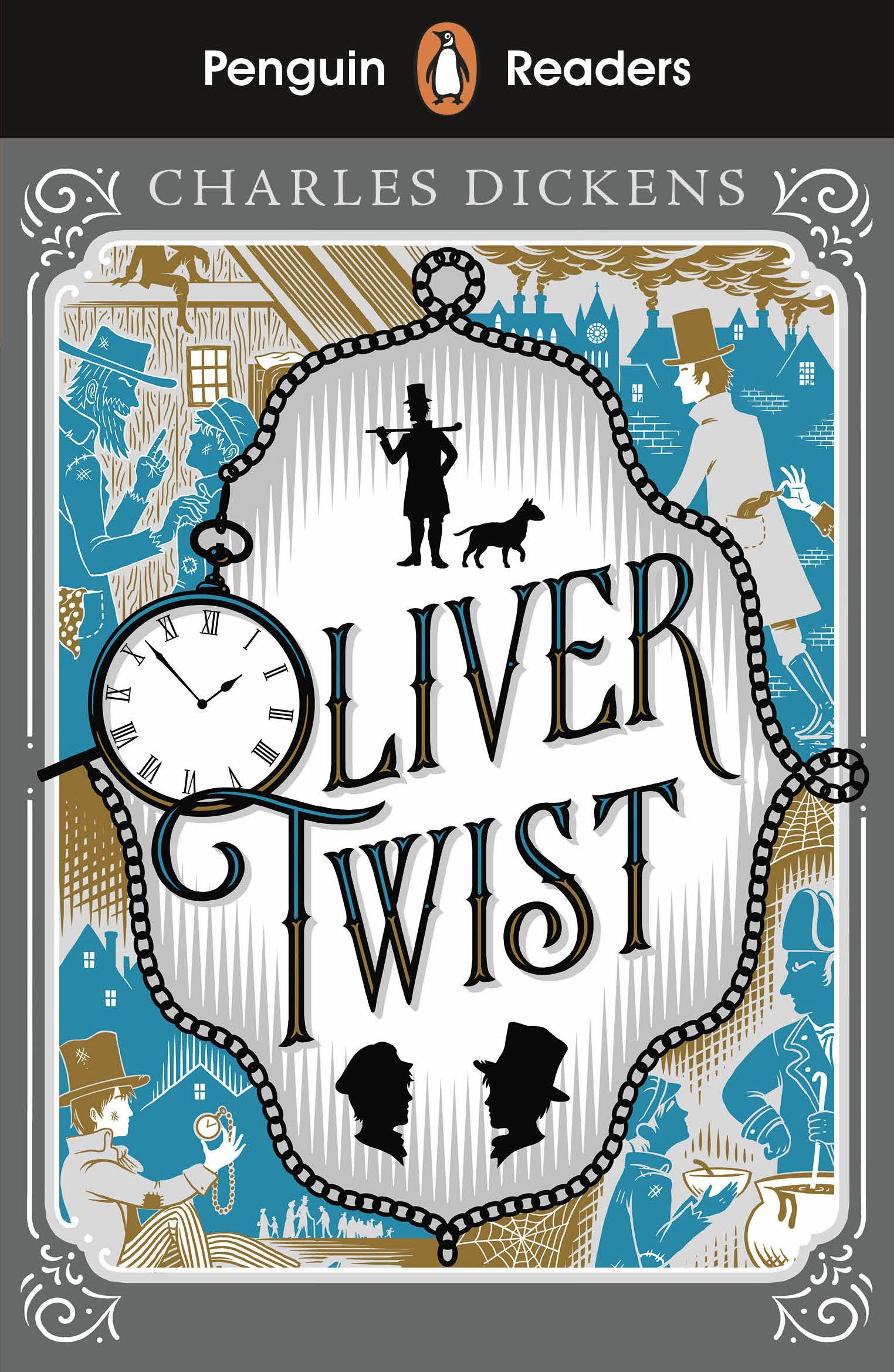
1. Bullseye, from Oliver Twist by Charles Dickens


Oliver Twist has asked for more!

When he flees the workhouse, Oliver Twist finds himself taken under the wing of the Artful Dodger and falls in with a group of pickpockets in London.

Bullseye is the long-suffering companion of the cruel criminal, Bill Sykes, who mistreats his poor dog. The image of Bill Sykes and Bullseye, stalking dismal Victorian London, amongst the criminals and the wretched, is one that remains with the reader.

You can purchase a copy of Oliver Twist by Charles Dickens here.


2. Montmorency, from Three Men in a Boat (to Say Nothing of the Dog!) by Jerome K. Jerome


Three hypochondriacs, believing they are suffering from almost any malady you could care to mention, decide upon a restful holiday on the Thames, with Montmorency, the fox terrier, as companion.

This humorous novel depicts probably the worst holiday in literature, still providing laughs today, over one-hundred-and-thirty years after its original publication.

Montmorency shares the spotlight with the three men, and there are some comedic passages about the mischievous little fox terrier to be found within.

You can purchase Three Men in a Boat by Jerome K. Jerome here.


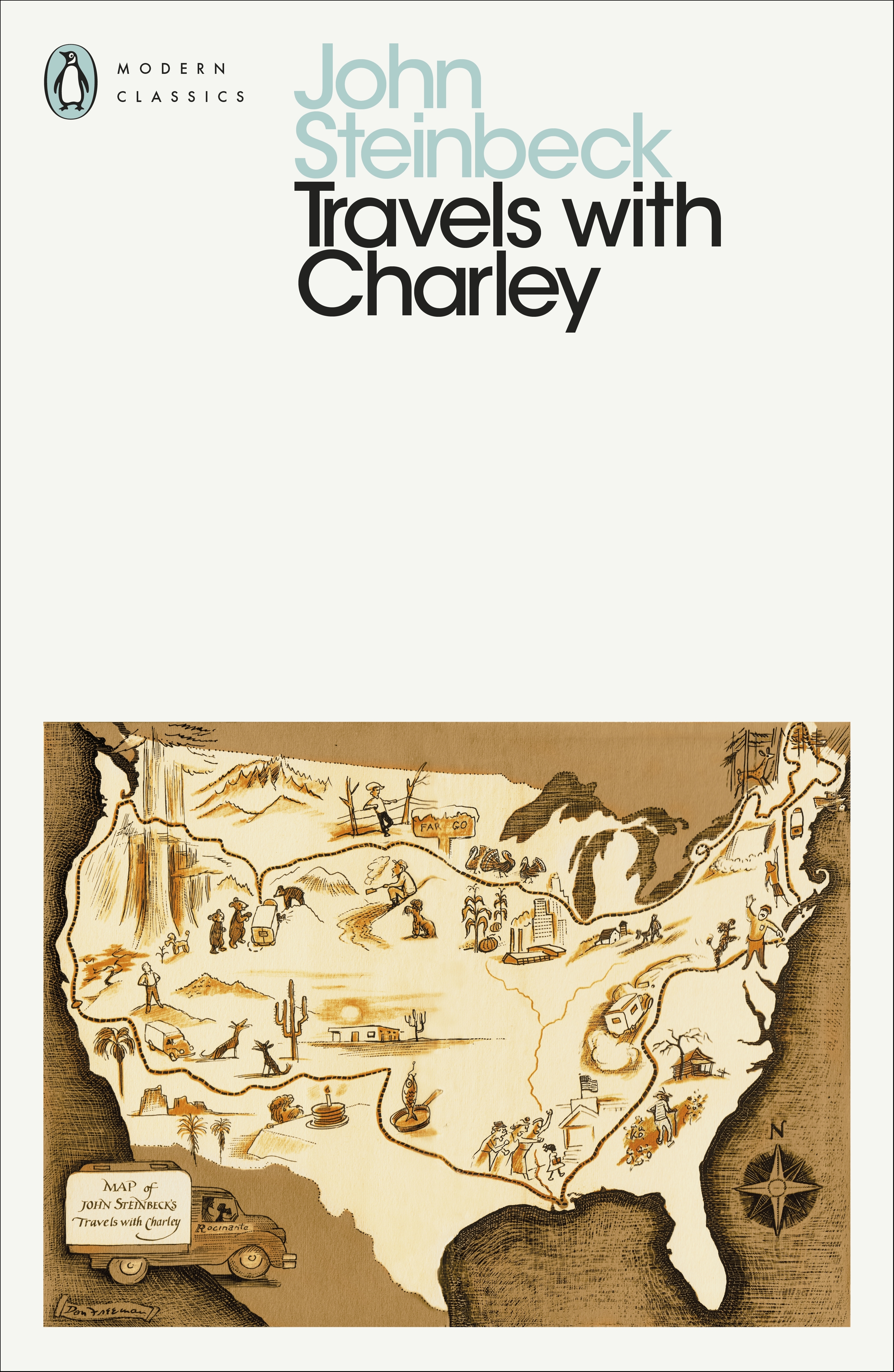
3. Charley, from Travels with Charley by John Steinbeck


In 1960, there was an itch in Steinbeck's feet that he couldn't ignore. Travelling America, through woods and forests, dirt tracks and highways, cities and wildernesses, he witnessed America and Americans with a humorous and sometimes sceptical eye. There is warning and prophecy in these pages, from one of the greats of twentieth-century literature.

And Charley, Steinbeck's French poodle, accompanied the great writer on his travels across America.

Actually his name is Charles le Chien. He was born in Bercy on the outskirts of Paris and trained in France, and while he knows a little poodle-English, he responds quickly only to commands in French. Otherwise he has to translate, and that slows him down.

You can purchase Travels with Charley by John Steinbeck here.


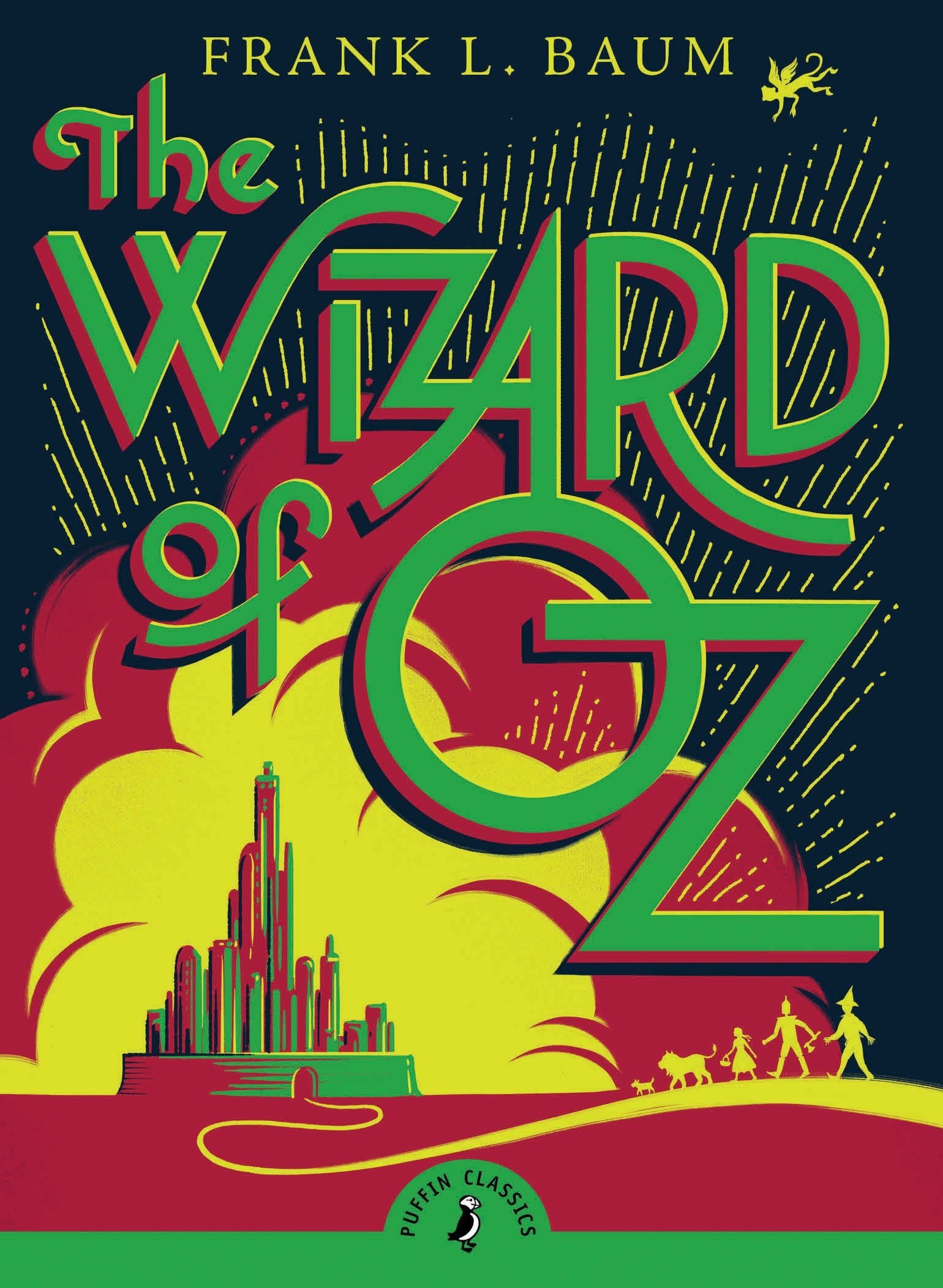
4. Toto, from The Wizard of Oz by  Frank L. Baum


Follow the yellow brick road . . .

Dorothy seems lost when a tornado picks up her and her little dog, Toto, from Kansas, and drops them in the wonderful world of Oz. Along the yellow brick road, she meets the Scarecrow, the Tin Woodman, and the Cowardly Lion. 

Toto is another loyal and goodly companion, a dog that has found his way firmly into literary history.

You can purchase The Wizard of Oz by Frank L. Baum here.


5. Cujo, from Cujo by Stephen King

Once upon a time, not so long ago, a monster came to the small town of Castle Rock, Maine . . .

Cujo is a two-hundred-pound Saint Bernard, and the best friend that Brett Camber has ever had. After Cujo is bitten by rabid bats, he becomes a horrifying vortex, drawing in all the people around him, and is one of King's most memorable creations.

You can purchase Cujo by Stephen King here.


Thank you for reading. Just before you go, can I ask that you please consider supporting this blog with a coffee from ko-fi.com - the support really is a great boost!

If you can, please consider supporting, and, dog dads and mums, give your dog a hug. They aren't here long enough, and they are a gift.


I still bloody love you, Puppy Dog!


5 banned books from my bookshelves


Disclaimer: Monsta Reader is affiliated with bookshop.org and Waterstones. If you should make a purchase through any of the links in this blog, I might earn a small commission from the sale. However, this does not affect the price of the items, and it does not influence the content of this blog.


I find it hard to believe that we still live in a world where books are banned (www.theguardian.com) and burned (www.theguardian.com). There is something sinister about a crowd cheering on as books are piled up and incinerated. Scenes like that are weighted by haunting images from ninety years ago. But, even without comparisons like that, it is a dumb, threatening, and violent act. It does nothing to challenge the ideas expressed in the works, it just obliterates them, in a way that can only be taken as intimidating and aggressive.

Of course, there are writings out there that are harmful, there are those that seek to incite hatred. There are those that have written in ignorance and, in their ignorance, potentially justify harmful ideology in the minds of others. What do we do about that, assuming that they ever get past editors and are published? Do we tear them from their platforms? 

You might hope that the ignorant writer never sees their work published or that, when they are challenged, they respond and a healthy debate is developed. One that exposes harmful and ignorant ideas for what they are, and leaves only truth. Alas, I'm afraid that sometimes the ignorant are turned in to martyrs when they are challenged and dethroned. Even fools need a king or queen to glory under, a banner to fly.


Whatever. I weep for the world sometimes, and I yearn for one in which pastors don't burn young adult fantasy fiction in the name of Jesus Christ. Personally, I think the sight of a crowd jeering and throwing books onto an inferno is a greater advertisement for a life without Christianity than anything in those books!


In todays post, I am going to take five books from my shelves which have been banned in the past, and consider them, their contents, and how they caused offense . . .


1. The Adventures of Huckleberry Finn by Mark Twain


"We said there warn't no home like a raft, after all. Other places do seem so cramped up and smothery, but a raft don't. You feel mighty free and easy and comfortable on a raft."

Huck escapes from his alcoholic father by faking his own death, and so begins his journey through the Deep South, seeking his own way, and his freedom. This novel takes in themes of prejudice, bravery, and hope, and is considered a great American novel.

This book came to be controversial because of its coarse language, including the use of racial slurs and the way in which Jim, a runaway slave and key character in the novel, was portrayed. However, there is much in Twain's story that shows he strove to humanise the character of Jim, though this might fall short in the eyes of modern readers. Language in the book, especially the racial slurs, have inspired conversation about how to teach literature, and issues found within, in classrooms. 

You can purchase The Adventures of Huckleberry Finn by Mark Twain here.


2. Lady Chatterley's Lover by D. H. Lawrence


"She had come to the real bed-rock of her nature, and was essentially shameless."

Constance Chatterley feels trapped in her sexless marriage to Sir Clifford. She is attracted to Mellors, her husband's gamekeeper, and she embarks upon a passionate affair with this man, an affair that brings new life to her stifled existence. This is considered one of the most controversial novels in English literature, it is an erotically charged exploration of adult relationships and class division.

How sex, language, and class are explored in this novel has shocked readers since its publication. When Penguin published a full unexpurgated edition in 1960, this novel was the focus of an obscenity trial in Britain. When a verdict of "not guilty" was returned, on 2 November 1960, it led to greater freedoms in publishing.

You can purchase Lady Chatterley's Lover by D. H. Lawrence here.


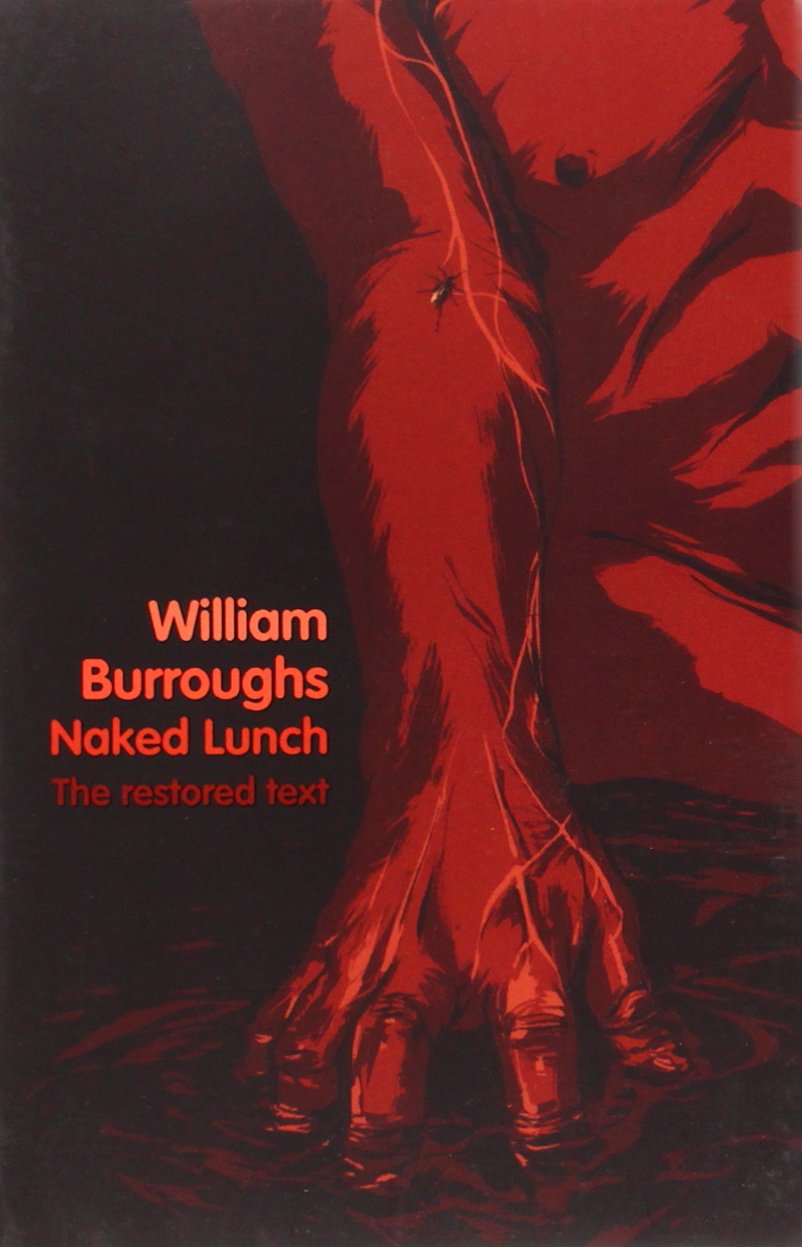
3. Naked Lunch by William S. Burroughs


"Look down at my filthy trousers, haven't been changed in months . . . The days glide by strung on a syringe with a long thread of blood . . . I am forgetting sex and all sharp pleasures of the body - a grey, junk-bound ghost. The Spanish boys call me El Hombre Invisible - The Invisible Man . . . "

J. G. Ballard called this a "rollercoaster ride through hell", and as we follow the protagonist, William Lee, in this loosely connected series of vignettes, violent portraits of a junkie existence, it certainly feels that way. With raw and vivid use of imagery to convey the world in which this character lives, we are drawn into the surreal life of the addict.

There is much going on here in this novel from Burroughs. It takes in themes and images of violence, sex, and drug use; more than enough get a work banned! But, Burroughs was no shock writer - his life was a controversial one, containing within it much of its own drug use and violence.

You can purchase Naked Lunch by William S. Burroughs here.


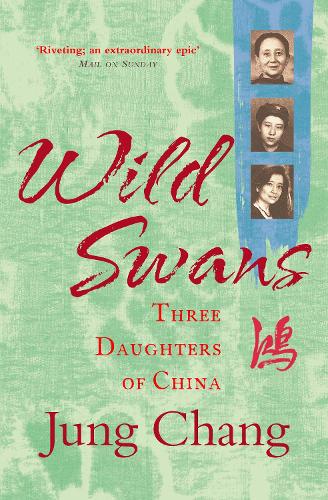
4. Wild Swans by Jung Chang


Unlike the other entries on this list, this is not a work of fiction but a history, recounting the lives of three generations of women. The author, Jung Chang, writes the biographies of her grandmother and her mother, and the book concludes with her own autobiography. In the telling, she takes in what it has meant to be a woman in China throughout the last century, the country's political landscape, and how violence and torture have been used there.

This is history as it has touched upon the author's family; epic and sweeping.

It is banned in mainland China. Obviously.

You can purchase Wild Swans: Three Daughters of China by Jung Chang here.


5. Alice's Adventures in Wonderland by Lewis Carroll


We're all mad here.

When you fall in to Wonderland, you meet some unforgettable characters: the White Rabbit; the Mad Hatter; the Duchess; Tweedle Dum and Tweedle Dee; and the grinning, mad Cheshire Cat, amongst others.

So, why and where was this book banned? Well, in China's Hunan province, in 1931, the book was banned because the censor general was offended by how the animals were depicted. Maddened by how the animals had been allowed the use of human language, how they had generally been raised to the level of human beings, the book was banned.

You can purchase Alice's Adventures in Wonderland, and Through the Looking Glass by Lewis Carroll, with illustrations by John Tenniel here.


Thank you for reading. Just before you go, can I ask you to consider supporting this blog with a coffee from ko-fi.com - the caffeine keeps me reading all those controversial books!

If you can, please do support this blog, with all my writerly ambitions, it really is a great boost. And I thank every reader and supporter, because you keep me going!