Ko-fi

Whenever I want to shake things up, I reach for a THRILLER!


Disclaimer: Monsta Reader is affiliated with bookshop.org and Waterstones. If you should make a purchase through any of the links in this blog, I might earn a small commission from the seller. But this does not affect the price of the item, and it does not influence the content of the blog.


In this post, I am pulling four great thrillers from my bookshelves for a little closer inspection. And, we start with . . .


1. The Girl with the Dragon Tattoo by Stieg Larsson


An industrialist, a journalist, and the girl with the dragon tattoo.

Somebody wants the past to remain buried at any cost.

This novel introduced the world to Lisbeth Salander, the mysterious and dangerous security specialist, who finds herself involved in an investigation that might just dig up that buried past. 

You can purchase The Girl with the Dragon Tattoo by Stieg Larsson here.


2. And Then There Were None by Agatha Christie


Ten strangers. 

Ten becomes nine.

Nine becomes eight.

Eight becomes seven . . .

You can purchase And Then There Were None by Agatha Christie here.


3. Before I Go To Sleep by S J Watson


Memories define us.

But what if every time you went to sleep you forgot your name, your identity, your past, and the people in your life?

That is exactly what Christine has to face every day when she wakes up.

You can purchase Before I Go To Sleep by S J Watson here.


4. Strangers on a Train by Patricia Highsmith


Highsmith hit the ground running with this, her first novel.

So! What if two strangers enter a pact to commit a murder for each other? That is the premise in this perfectly crafted thriller! So, what could go wrong?

You can purchase Strangers on a Train by Patricia Highsmith here.


Thank you for reading. Before you go, I would like to ask you to consider supporting this blog with a coffee from ko-fi.com - enough caffeine and I don't need a thriller to give me the shivers and shakes!

I write here because I am passionate about books, and I avoid ad space as much as possible. So, to keep the blog going, I must ask that readers consider a donation, if they are able to do so.

Thank you, to every reader and supporter - you keep me going!

Can you relate to that final page sadness?


Disclaimer: Monsta Reader is affiliated with bookshop.org and Waterstones. If you should make a purchase through any of the links in this blog, I might earn a small commission from the seller. But that does not affect the price of the items, and it does not influence the content of this blog.


Do you ever read the last word, of the last sentence, on the last page of a book and feel a little sad? A little loss?

If you're an avid book reader, the chances are that you have experienced, with at least one book, what has been colloquially called a "book hangover". It's that slight sadness that the story is over, the characters are gone, and you can never discover them for the first time again. It's gone forever.


There's something about a good book, a good story. It requires your time and your attention. A really good story might just change your mind about a few things, or at least challenge some preconceived notions. But, then again, it might just hold you tight in its embrace, and reassure you of the goodness of you and life. Whatever the story and its message, if you've found something between the covers that has captured you, it is understandable that, when you reach that last page, you could be left a little shaken.

Often it is works of fiction that have this effect. When the reader goes on a journey with the characters, and the journey comes to an end, and the reader has to go on beyond the book. Has to sort through the feelings the work has left them with.

Good art is supposed to have an emotional impact, or challenge ideas. It is not absurd that you should leave a book feeling a little shaken, or otherwise effected. 

Kazuo Ishiguro, Aldous Huxley, and Jonas Jonasson have all gifted me - and probably some of you too - with books that I didn't want to end. As have many other wonderful writers.


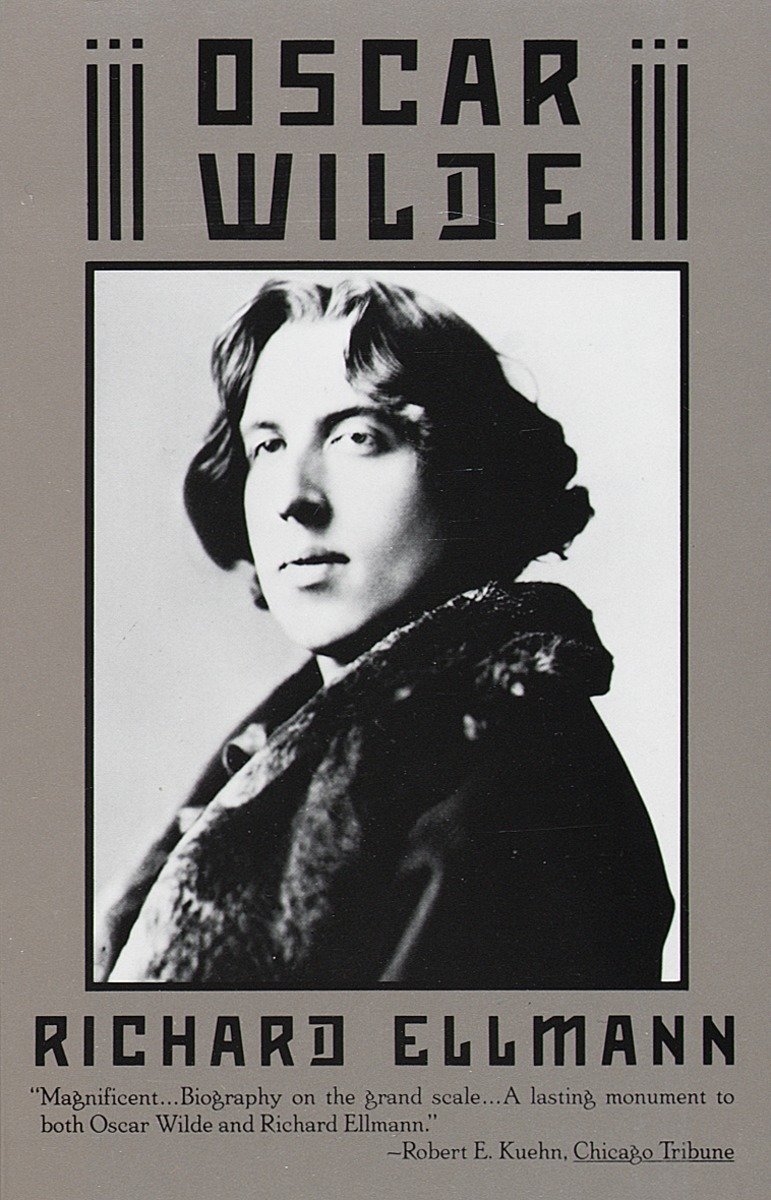
I am currently reading Oscar Wilde by Richard Ellman, a Pulitzer Prize winning biography of the famous Victorian poet, author and playwright. I have read it before, but it is well worth reading again.

I tell you this because some of the books that have most effected me, as I have closed the books' cover on the final page, have been biographies. Almost feeling as though I had lived the life of the subject right along with them - I can only imagine how the biographers themselves must feel! - and that feeling of loss at the last page is keener, for me, because it was real. The people in the pages had lived real lives. Especially when the ending is somewhat tragic, as we know it was for Wilde.

When I was younger I was a little obsessed with Marilyn Monroe for a time, and I read a number of biographies about her. They made me wish that there was a heaven, or that time travel could be possible. I had similar feelings when I read a biography of Bill Hicks, the American comedian, later on. The books left me wishing that I could have met them, or at least see them perform. But then, perhaps that's one of the marks of a good biography.


What about you? Which books have left you feeling a sense of loss? With the joy of having read the book, but a sadness for having reached the end?

Drop some titles in the comments!


Thank you for reading. Before you go, can I please ask you to consider supporting this blog with a coffee from ko-fi.com - the caffeine gets me through those book hangovers, and returning to the keyboard!

Though this blog is affiliated with a couple of booksellers, I have resisted putting ad space in these blog posts as much as possible. I write about books because I have a passion for books - as simple as that. I would prefer that that shines through, rather than this being a space geared towards selling a product to consumers. I'd rather generate discussion that sales.

But it would be unrealistic of me, trying as I am to pursue writing work, if I didn't seek some remuneration for the research, writing, proofreading, etc. that goes into every piece of content. So, if you can, you can support this blog on ko-fi.com - thank you to every reader and supporter! Thank you!


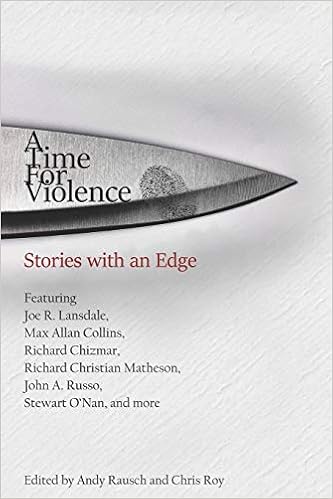
A Time For Violence: Stories With An Edge, An Anthology, Edited by Andy Rausch & Chris Roy - analysis and review


Disclaimer: Monsta Reader is affiliated with bookshop.org, and Waterstones. If you should make a purchase through any of the links in this blog, I might earn a small commission from the sellers, but this does not affect the cost to the consumer. And it does not influence the content of this blog.


In this anthology collection, the theme of violence connects each short story. Sometimes the story is a straightforward tale, a crime or suspense thriller short story, but sometimes the tales are more subtle, or even surreal. 

I was sent this anthology via Twitter, and asked to take a look. I made my way through it slowly and, I have to admit, sometimes unenthusiastically. However, this might have had something to do with my dislike of reading my books on a screen. But, I found myself fully engaged with some of the short stories in this collection, with scenes and characters still inside my head after I finished reading.

Though you might be put off by a collection of stories exploring the theme of violence, rest assured there is a diversity of tales within. This is not just a collection of explicit slashing and gore stories. You will find some well thought out tales within. Though, it might be worth warning you, there is slashing and gore in there too. 


The collection opens with Blood Brothers by Richard Chizmar, a fairly straightforward "story with a twist" about a pair of brothers, one a family man and the other on the wrong side of the law. And from there, the collection undulates, from one story to another, some better than others. Though, as I say, there is enough diversity in there that you can probably find a story that you will find enjoyable.

I found Santa At The Café by Joe R. Lansdale, and Ladies Day At The Olympia Car Wash by Andrew Nette to be fairly entertaining tales, but perhaps your tastes are different.

To be honest, this is an anthology that I dipped in and out of, and it wasn't a collection that I felt a need to read from beginning to end once I had started. There were some stories that I found myself wanting to end sooner than they did, and there were some that I found myself entertained by more than I had expected. I suppose that that's the nature of a collection featuring different authors.


You can find A Time For Violence: Stories With An Edge on Amazon.


Before you go, I would like to thank you for reading. And, I would like to ask that you consider supporting this blog with a coffee from ko-fi.com - the caffeine keeps my eyes open as I turn pages, and then tap away at my keyboard!

Though I am affiliated with a couple of booksellers, I have resisted adding space for adverts to this blog. I started writing here because I have a love for books and a desire to write; I want that to shine through, not to turn this into a space for selling products.

But, as I research, write, proofread, edit, rewrite . . . for these posts, and as I pursue my passion for writing, it would be unrealistic, and self destructive, if I didn't seek some remuneration for my efforts. So, I do ask, if you are able to do so, could you give a little support to keep these posts coming.

If you can, head on over to ko-fi.com, send a coffee, and I'll get back to the books! Thank you to every reader and supporter - you keep me writing!

All of my most recent reads!

 Disclaimer: MonstaReader is affiliated with bookshop.org, and Waterstones. If you should make a purchase through any of the links in this blog, I might earn a small commission from the seller. However, this does not impact the cost to the consumer, and it does not influence the content of this blog.


A day in the life of your friendly little MonstaReader is spent pretty much like anyone else's. I wake up in the morning and sigh because my body didn't metamorphose into something less flabby and more muscular while I slept; I check my diary for the day, considering where and when I can fit in some reading time; I make myself a coffee, watching the birdfeeders whilst it brews . . .

Pretty standard stuff, you know.

But, if you're here, it's probably the books that you're interested in. So, in today's post, I thought I would do a little round-up of all my most recent reads. Three books that I was reading simultaneously, and books that I will dive into much more deeply in future posts.


Native Son by Richard Wright

We start with Native Son by Richard Wright (my copy pictured above), a novel written as protest, in which we follow Bigger Thomas, a young black man trapped in poverty and Chicago slums. Published in 1940, this was a novel that shocked readers at the time, and which still has power in its pages today. 

The reader is immersed into a world of anger and fear, a world where something has to break, because a world into which you are born Black is a world in which you are not free. There is not even the illusion of freedom.

Much has changed since this novel was written but, one fears, much has stayed almost exactly the same. This is a novel written as a protest, and though some criticisms have been levelled at the novel - James Baldwin did so in his writings on protest novels - the author, Wright, explained in an introduction to the novel that the world he created in the book was a reflection of the world in which he lived.

This is a book well worth reading, a landmark novel, that went on to make Richard Wright the first bestselling Black writer in America.

You can purchase Native Son by Richard Wright here.


The Silence by Tim Lebbon

Next, we move on to something quite different . . .


In an underground cave system, sightless creatures use sound to hunt their prey. When humans move in and disturb these inhabitants, the predatory creatures are loosed from the caves, and they swarm from the darkness. 

Ally, deaf in the years since a terrible accident, knows how to live in silence. Ally and her family leave their home, and make their way towards a remote haven, where they hope to escape these creatures, which are drawn to sound. But is the world forever changed?

Horror novels have been looked upon with a lack of respect in the past, and it's true that a bad horror novel can be pretty torturous - horrific in all the wrong ways - but a good horror novel can explore important themes, just as much as any other genre. Indeed, is well placed to explore themes other genres would find difficult to include.

The Silence explores how people react to extraordinary events. Each chapter opens with an extract from a fictional news report, a briefing , or social media commentary. With the fantastic events of the novel juxtaposed with the familiar human commentary that we are all used to by now on these platforms, the world in this horror feels that much more real. Indeed, half the horror and suspense in the book comes from how the human beings can treat each other when they are scared, and can't make sense of the world any more.

You can purchase The Silence by Tim Lebbon here.


Oscar Wilde by Richard Ellman


This one is a Pulizer Prize winning biography I have read before, and now I am reading it again.

We follow Wilde's ascent and, sadly and inevitably, his downfall in Victorian society, in this, Richard Ellman's definitive Wilde biography.

Wilde was a kind, brilliant and, at times, self-destructive man. And he almost made the work of the biographers easy for them, having lived a life so ideal for biography. 

This is a book that you can tell has been written with care, a desire to do justice to the subject, the subject being a brilliant man torn down, and that care and attention elevates this biography.

Unfortunately, I cannot find a link to this book with my affiliates, but it is out there. It was published by Penguin and, if you can seek it out or you stumble across it, I urge you to make the purchase! Or, perhaps your local library has a copy!


Thank you for reading. Before you go, can I ask that you consider supporting this blog with a coffee from ko-fi.com - the caffeine keeps my eyes open as I turn pages or tap away at my keyboard.

Writing these posts is driven by my passion for books, which I hope shines through, and, though I am affiliated with two booksellers, I have resisted placing ad space in my posts. The affiliate links are there, but I am much more interested in writing about the books than I am in trying to sell them to you as a product. I discuss the books, and then the choice is yours.

But my passion for the written word has extended beyond bibliophilia, and I find myself engaged in endeavours to write. And unfortunately, one needs money to pursue their ambitions and passions.

Every reader and supporter is much appreciated - ko-fi.com - and I thank you for reading! Thank you!

Discovering sex in literature!

 Disclaimer: Monsta Reader is affiliated with bookshop.org, and Waterstones. If you should make a purchase through any of the links in this blog, I may earn a small commission from the seller. However, this does not affect the cost to the consumer, and it does not influence the content of this blog.


Sex scenes in literature and erotic fiction can be cringe worthy. In fact, the Literary Review's Bad Sex in Fiction Award has selected a work each year since 1993 to "honour" for, well, bad sex in fiction.

But, sex can also be used as a device to challenge ideas, and open up discussions about social mores and sensibilities.

In this post, we are going to take a little look at five books that feature sex, and sexuality, because we all have a relationship with sex, and it is as worthy a subject or theme to explore in literature as any other!


1. Crash by J. G. Ballard


Originally published in 1973, this is a classic of underground literature.

'In a sense, pornography is the most political form of fiction, dealing with how we use and exploit each other, in the most urgent and ruthless way.

'Needless to say, the ultimate goal of Crash is cautionary, a warning against that brutal, erotic and overlit realm that beckons more and more persuasively to us from the margins of the technological landscape.'

- J. G. Ballard, from a 1995 introduction to the novel

You can purchase Crash by J. G. Ballard here.


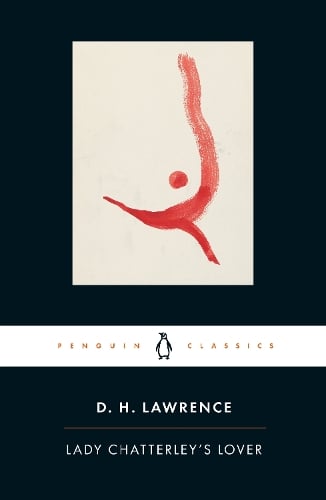
2. Lady Chatterley's Lover by D. H. Lawrence


Constance Chatterley feels trapped in a sexless marriage to Sir Clifford. She is attracted to Mellors, her husband's gamekeeper, and she embarks upon a passionate affair with him that sparks new life in her stifled world. The novel itself sparked tremendous controversy on publication, and is still an erotically charged and powerful novel today.

You can purchase Lady Chatterley's Lover by D. H. Lawrence here.


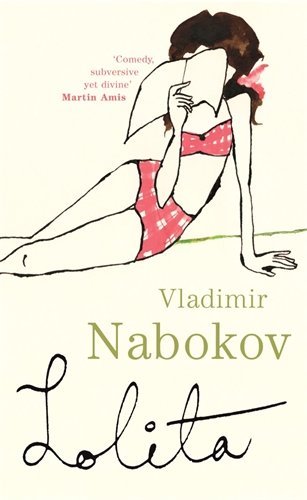
3. Lolita by Vladimir Nabokov


Humbert Humbert - a doomed monster, scholar, and the unreliable narrator of this tale - has fallen hopelessly in love - or a delusional lust - with Dolores Haze, or Lolita as he calls her, his landlady's twelve-year-old daughter. This novel is all about obsession, delusion, lust, and objectification.

You can purchase Lolita by Vladimir Nabokov here.


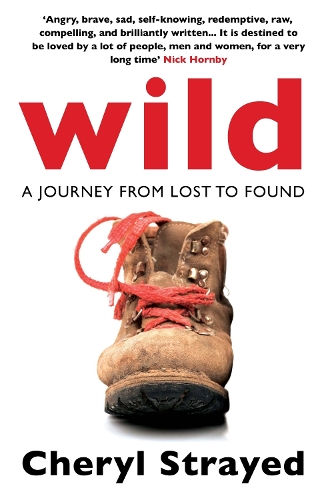
4. Wild by Cheryl Strayed


Unlike previous entries, this is not a novel, but the author's recounting of her experience hiking the Pacific Crest Trail. However, there are scenes in the book where Strayed writes candidly about her sexuality.

In the wake of personal loss, the author uses sex as a means to self-destruct, and distance herself from her marriage. But we find that sex can also be healing, and a means of connection to something profoundly beautiful.

We find here that sex can be an empty act, but it can also be empowering.

You can purchase Wild by Cheryl Strayed here.


5. The Story of My Life by Giacomo Casanova


Casanova, whose very name is synonymous with sexual conquest, was also a swashbuckler, a poet, a storyteller, and many other things in his adventurous life. This collection of his memoirs (unfinished at the time of his death in 1798) highlights his youth in Venice, his dabbling in the occult, encounters with great literary figures, and, of course, many amorous encounters. 

His was an adventurous life.

You can purchase The Story of My Life by Giacomo Casanova here.


Thank you for reading. If you enjoyed this piece, I ask that you please consider supporting this blog with a coffee on ko-fi.com - the caffeine keeps me collating steamy reads, so you don't have to! Thank you to all readers and supporters!


5 ways to write a protest novel

 Disclaimer: Monsta Reader is affiliated with bookshop.org, and Waterstones. If you should make a purchase through any of the links in this blog, I may earn a small commission from one of these sellers. However, this does not affect the cost to the consumer, and it does not influence the content of this blog.


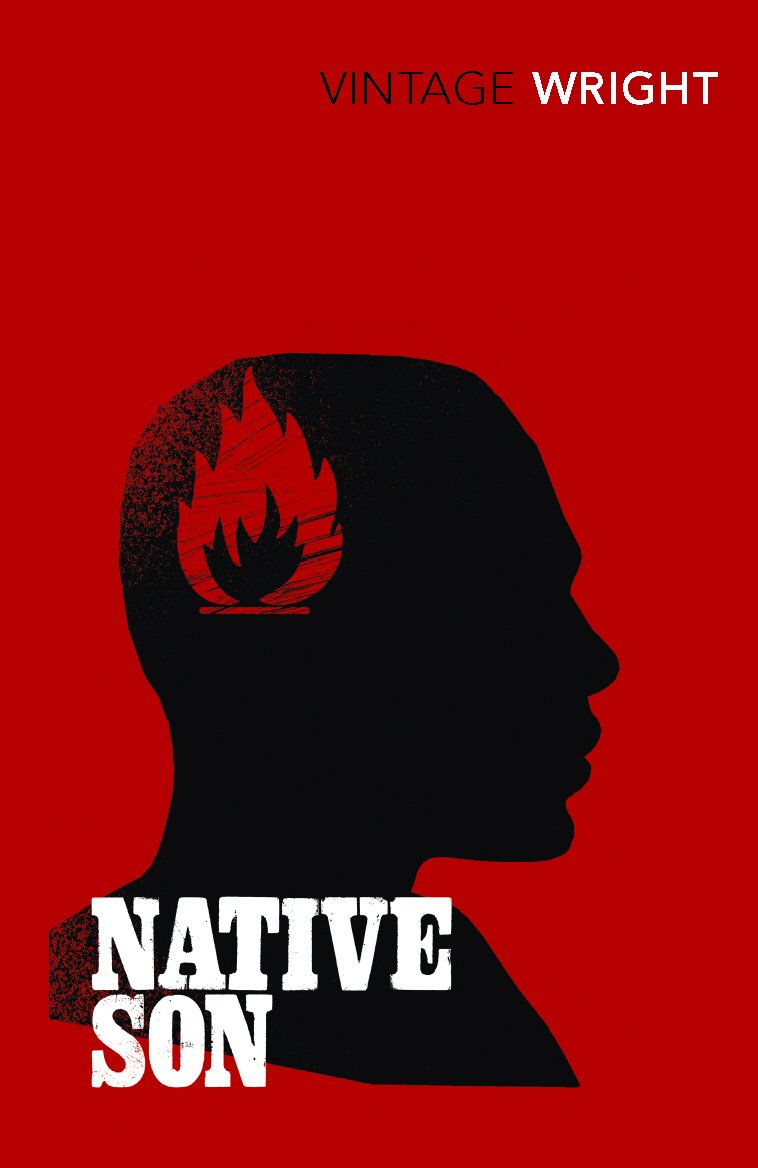
1. Native Son by Richard Wright


This novel is the reason I decided to make protest novels the subject of this blog piece. 

This novel was written as a protest, and was first published in 1940. It made its author, Richard Wright, the first Black best-selling author in America.

In Native Son, we follow the protagonist, Bigger Thomas, a young Black man who is trapped in poverty and the slums of Chicago. This is a novel that shocked readers at the time, and still has the power to do so today.

You can purchase Native Son by Richard Wright here.


2. The Color Purple by Alice Walker


A classic. Winner of the Pulitzer Prize and a National Book Award.

Set in the deep American South between the wars, this epistolary tale brings us into the world of Celie, a young Black girl born into poverty and segregation. She meets Shug Avery, singer and magic-maker - a woman who has taken charge of her own destiny. 

You can purchase The Color Purple by Alice Walker here.


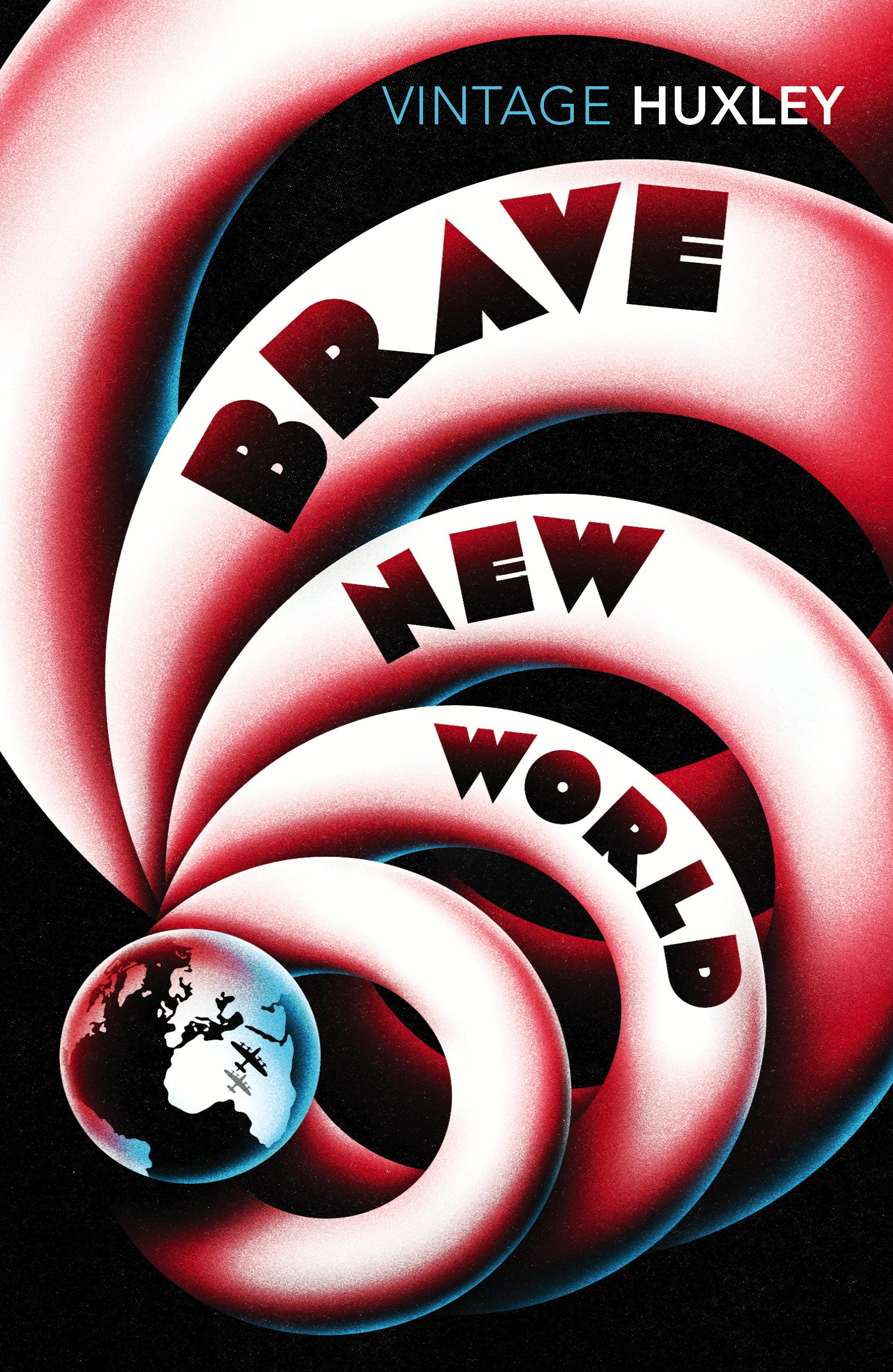
3. Brave New World by Aldous Huxley


Another classic, and one that still has the power to provoke thought and shock the reader.

World Controllers have created the ideal society. But Bernard Marx feels alone, harbouring a vague desire to break free. 

It is hard to read this book and not draw parallels between what lies within and our own world . . .

You can purchase Brave New World by Aldous Huxley here.


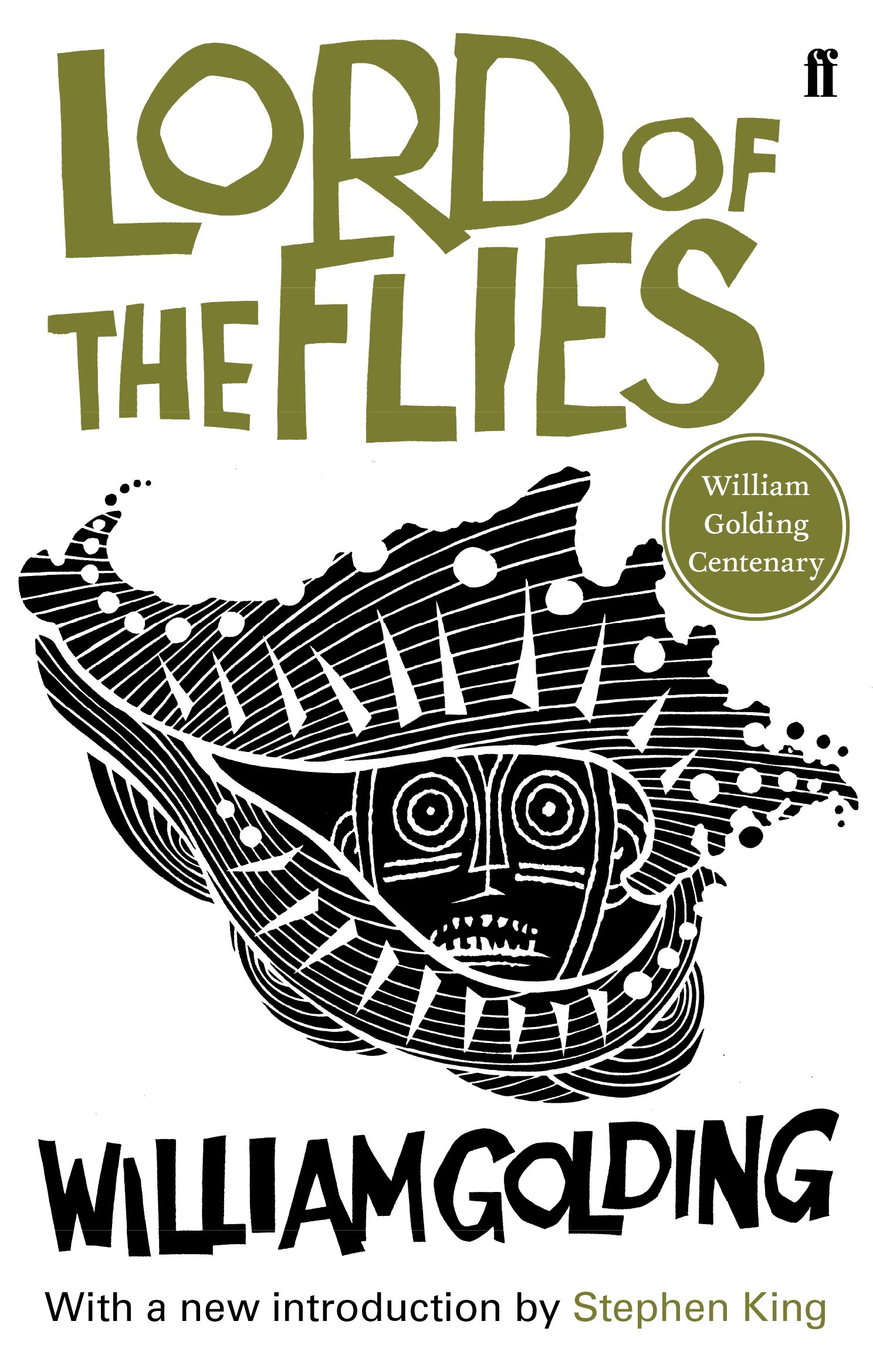
4. Lord of the Flies by William Golding


If you've read this novel, you know its power.

This book was published sixty-eight years ago, in 1954.

A group of schoolboys are deserted, stranded, on an island after a plane crash, and they await rescue. This tale is a warning of what comes when order fades, of how, when rules of society are abandoned, something cruel and savage can take their place.

You can purchase Lord of the Flies by William Golding here.


5. Noughts and Crosses by Malorie Blackman


Callum is a nought. 

Sephy is a Cross.

In their world, noughts and Crosses do not mix. But Callum and Sephy are determined to be together.

This is a novel that will absorb you.

You can purchase Noughts and Crosses by Malorie Blackman here.


Thank you for reading. I am passionate about books and hope that my pieces reflect that. That passion is why I share this content with you. If you can, please consider supporting me with a coffee on ko-fi.com - the caffeine keeps me reading, reviewing, and writing! Thank you to every supporter and reader!


Charles Dickens' Ghost Stories - analysis and review


Disclaimer: Monsta Reader is affiliated with bookshop.org and Waterstones, and if you should make a purchase through any of the links in this blog I might earn a small commission from the sellers,but this does not affect the cost to the consumer. It also does not influence the content of this blog.


During Dickens' lifetime (1812 - 1870), interest in the supernatural was high, and in the middle of the nineteenth century movements such as mesmerism (belief in a sort of invisible natural force that influence the physical world) and spiritualism (a belief that spirits of the dead exist and can be communicated with by the living) became incredibly popular. Therefore, it's probably to be expected that authors of the Victorian period would write an awful lot of good ghost stories.

From the hand of a spirit at the window, in Wuthering Heights by Emily Brontë, through to The Turn of the Screw by Henry James toward the end of the Victorian period, spirits of the dead haunting the living make many an appearance in Victorian novels and novellas.


In reality, Dickens was something of a sceptic, and had little interest in Spiritualism, except that he did attend a number of séances, but only to investigate and debunk the claims being made by peddlers of the "spirit business". However, he had just as much of a love for the ghost story as any other Victorian of his time.

In Dickens' most famous ghost story, A Christmas Carol, the spirits are a means of exploring those links between humanity that go deeper than the everyday and mundane. Through these figures of death, the author could explore what it is that makes life good and beautiful - worth living. In a precursor to A Christmas Carol, Dickens' short ghost story, The Goblins Who Stole a Sexton, also features supernatural beings that seek to interfere in the life of a man, at Christmas time, who carries hate inside of him. Clearly a theme that had been on Dickens' mind a while - The Goblins Who Stole a Sexton featured in The Pickwick Papers, along with three other short ghost stories, about seven years before the publication of A Christmas Carol.


As well as uplifting tales, like A Christmas Carol, Dickens was also quite capable of exploring the darker and more brutal side of humanity, and in his short story, The Ghost in the Bride's Chamber, he does so unflinchingly. In this story, a young woman endures a constant drip of cruelty until she is worn down by its power. 

There was a darkness in Dickens' mind, perhaps informed by his troubled early years, and he offered up some of the most haunting scenes ever committed to English literature. He was a wonderful humourist, but he could craft a gothic and haunting tale just as well.


The ghosts and spirits in his stories were a useful device for exploring the deeper meanings of life. Because death, life extinguished in this world, is the only forever in this life. And so, death can be a powerful inspiration, a reminder of what makes life rich and meaningful. But his ghosts could also be a manifestation, a warning, of how acts of abuse and cruelty can haunt and mark a life. His best ghost stories are a reminder to live life decently and well.


You can purchase a collection of Dickens' ghost stories here, a collection published by Pan Macmillan and which brings together all of Dickens' ghost stories.


Thank you for reading. You can support my writing with a coffee on ko-fi.com - the caffeine keeps me reading Victorian ghost stories and reviewing them for you here! Supporters keep me writing - thank you!

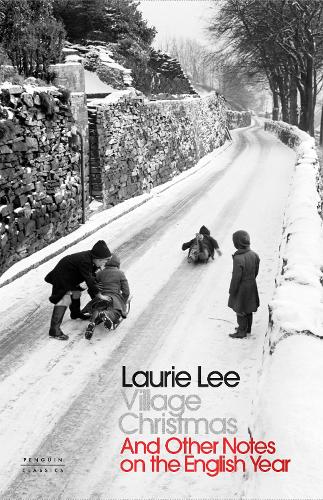
Village Christmas And Other Notes on the English Year by Laurie Lee analysis and review


Disclaimer: Monsta Reader is affiliated with bookshop.org and Waterstones, and if you should make a purchase through any of the links on this blog I may earn a small commission from the sellers. However, this does not impact the cost to the consumer, and it does not influence the content of this blog.


Christmas is only a memory now. We work our way towards it gradually, over the course of months, but then it dies back in only days. 

I purposefully selected more festive books from my shelves over Christmas. Of course, there was Dickens, but another book I selected from the shelves was a collection from an author that I hadn't read before - Village Christmas . . . by Laurie Lee. And, I fell in love.

Reading Laurie Lee for the first time, I felt the thrill readers feel when they discover something wonderful for themselves. And, I felt stupid for not having read any of his writing before. What he wrote on the page made almost absolute sense to me. 

That's the great thing about art of all kinds, despite the fact that it is there for many, it can feel wonderfully personal.


I write another blog, in which I focus on my passions for nature and wildlife, and in my blog posts over there I often wax lyrical about my love for wandering countryside paths. And there is some of that in this, this collection of brief essays by Laurie Lee, only it is done much better. Of course.

Village Christmas And Other Notes on the English Year takes us through the seasons of the English year. And it is mostly rural England, a rural England that isn't really there any more.


Throughout the book, the writing is infused with Lee's passion and care for his subject. Each brief essay is almost poetic; a collection of lyrical portraits.


After reading this book, I had a desperate need to read more of Lee's work, and so - because of course I had a Waterstone's gift card somewhere amongst the Christmas gifts - I ordered myself As I Walked Out One Midsummer Morning, and reminded myself that Cider With Rosie was still awaiting my attention, on my bookshelves.

Discovering Laurie Lee is to discover a great writer.  


My love for the English countryside supplemented my first experience of Lee's writing, and I very much enjoyed the way the book took the reader through the seasons of the year. This structure adds to the experience of the book. Countryside life has been entwined with the changing of the seasons, and the structure of the book, moving from one season to another, conveys this well.

For my money, this book does that wonderful combination of things - not only does it entertain, but it inspires also. It inspires - or reminds the reader of - love for our countryside; it inspires interest in old English tradition, life, and communities; it inspires the reader to consider how their own homes and pasts are a part of who they are.

Yes. I would recommend this book, and I fear that everything I have written above does absolutely no justice to how good I think this book is!


If you would like to purchase Village Christmas And Other Notes on the English Year by Laurie Lee, you can do so here.


Thank you for reading. You can support this blog with a coffee from ko-fi.com - the caffeine keeps me turning pages! Thank you to all supporters!


The Disaster Tourist by Yun Ko-eun, translated from Korean into English by Lizzie Buehler - analysis and review


Disclaimer: Monsta Reader is affiliated with bookshop.org and Waterstones and, if you should make a purchase through any of the links in this blog, I may earn a commission from the sellers, but this does not affect the cost to the consumer, and it does not influence the content of this blog.


The Disaster Tourist is something different. It is a thriller that takes in themes such as environmental activism, capitalism, dark tourism, being a woman in the world today, and the human reaction to disaster and tragedy.


Yona works for Jungle, a Seoul-based company that specialises in tours to disaster zones. It is Yona's job to take people's fascination and intrigue with disaster and turn it into something that can be sold back to them. Something quantifiable.

The whole novel is an exploration of how human beings manage and manipulate pain and tragedy, especially in the interests of making money. The company for which our protagonist works is itself sinister. Corruption and toxic elements of the company are mostly quietly accepted or ignored. And when Yona suffers sexual harassment at the hands of her boss, the matter is not explored and investigated, but manipulated to protect the interests of the company and the status quo. Yona herself manipulates the situation in her own mind, tries to convince herself that the event isn't what it was.


'I'm sorry, there's been a misunderstanding,' Yona replied nervously. 'Something unsavoury did happen to me, but I don't know if I'd call it sexual harassment. I think I misunderstood Mr Kim's intentions.'

- Chapter 1, Jungle, The Disaster Tourist, Yun Ko-eun


I think that this is a novel about how people manage their fears. Fears of death, pain, tragedy, and failure. Sometimes the characters in this book seek to manage their own fears and tragedies, in the interests of self preservation. Sometimes they seek to manage the fears and tragedies of others, so that they can exploit those disasters for themselves or to make money. But the managing and manipulating of these pains, rather than real attempts to heal, only lead to further pains.

This is a novel about many of the problems our world is facing today, and how we face them. Or not.


You can purchase The Disaster Tourist by Yun Ko-eun here.


Thank you for reading. You can support this blog with a coffee from ko-fi.com - the caffeine keeps me reading and reviewing! Thank you to all supporters!


Maya Angelou, US quarters, and making history!


Maya Angelou (image from New York Times website; nytimes.com)


There is a glut of authors that I have not yet read, writers who have been on my personal reading list for a while. And I am ashamed to say that I have yet to open the covers of a book authored by Maya Angelou. However, I recently purchased Letter to My Daughter, and I am now just awaiting its arrival. I can't tell you why that that is my first purchase of Angelou's writing, just that it came to my attention and it appealed to my interest. That's all.

And, just as I begin my discovery of Angelou's work, she has become the first Black woman to appear on a US quarter (theguardian.com/books/). 

Though I haven't yet read any of Maya Angelou's work, I am aware, of course, of the weight of her writing on the literary landscape, having brought Angelou respect and recognition as a spokesperson for Black people and women. 

I am sure that I will be back to tell you all about my discovery of Angelou's work at a later date.


Thank you for reading. I hope to be back soon, writing about Maya Angelou and her work, and perhaps other small celebrations recognising icons from the world of books and literature.

If you can, please consider supporting this blog with a coffee for the author over on ko-fi.com - the caffeine keeps me reading and writing. Thank you to every supporter!


This Be The Verse by Philip Larkin - an analysis and review


Disclaimer: this blog is affiliated with bookshop.org, who support local and independent bookshops in the UK, and if you should make a purchase through any of the links in this blog I might earn a commission from the sellers, but this will have no impact on the cost to the consumer and it does not influence the content of this blog.


My favourite parts of this lyric poem are its subject and its sing-song flow.


They fuck you up, your mum and dad.

  They may not mean to, but they do.

They fill you with the faults they had

  And add some extra, just for you.

This Be The Verse, first stanza, Philip Larkin


It isn't hard to see why this poem has been voted one of the UK's favourite poems. The verses flow almost as easily as a nursery rhyme. But there are dark and heavy themes within. In the second stanza, the poet tells us that human misery is handed along from parents to children. And, in the third and final stanza, that the only way out of this misery is "don't have any kids yourself."

Given the quite breezy flow of the verses, it can be easy to miss these weighty themes, and just get a little lost in enjoying the way the words fall from lips and tongue. The reader can get lost in the flow of the poem before they realise what exactly they are reading.


That simple and explicit first line is unforgettable, and often quoted.


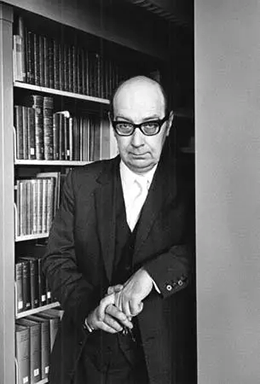
Some consider Larkin a controversial and even unsavoury figure since his death in 1985. Others have argued that he was kind and charming, pointing towards accounts from people that knew him. Either way, his poetry is considered some of the best of the 20th Century. And there is no denying the wit and ability demonstrated in this poem, This Be The Verse. It is a poem I enjoy very much, and one that I return to often.


If you would like to purchase a copy of High Windows by Philip Larkin, which features the poem discussed above, you can do so here.


Thank you for reading. It is both quite easy and extremely difficult to write. If you would like to support this blog, you can buy the writer a coffee on ko-fi.com. All support is much appreciated.


The Age of Extremes : 1914 - 1991 by Eric Hobsbawm - a review and analysis


Disclaimer: if you should make a purchase through any of the links in this blog, I might earn a small commission from the sellers, but this does not impact the cost to the consumer, and it does not influence the content of this blog.


I would hesitate to call The Age of Extremes an overview of world events and human progress in what the author calls the "short twentieth century", because the word 'overview' might give the impression that this book touches on topics only in brief. But, if you're a history buff you will probably know that Hobsbawm was considered a great historian, a historian who knew and wrote about his subject well.

This book takes in world history between the years of 1914 - 1991 (from the start of World War 1 until the collapse of the Soviet bloc), and touches on political, cultural, and technological changes in that time, amongst other societal shifts and changes.


This book completes a quartet of books by Hobsbawm. The preceding three were The Age of Revolution: 1789 - 1848; The Age of Capital: 1848 - 1875; The Age of Empire: 1875 - 1914. This trilogy took in the period of history that Hobsbawm called the "long nineteenth century". 


In the preface to The Age of Extremes, Hobsbawm tells readers that he had avoided writing about the twentieth century:


My own lifetime coincides with most of the period with which this book deals, and for most of it, from early teen-age to the present, I have been conscious of public affairs, that is to say I have accumulated views and prejudices about it as a contemporary rather than a scholar.

Eric Hobsbawm


Indeed, the author, a staunch Marxist, did suffer some criticism for his writings on this period because it was considered that his political views coloured his writing here. A number of reviews praised the book when it was originally published, but also suggested that Hobsbawm had been too harsh when writing about capitalism, and had allowed his communist convictions to influence too much of the book.


Still, considering that the book is now nearly two years shy of being thirty years old, it is quite unsettling to read certain passages:

We do not know where we are going. We only know that history has brought us to this point and - if readers share the argument of this book - why. However, one thing is plain. If humanity is to have a recognizable future, it cannot be by prolonging the past or present. If we try to build the third millenium on that basis, we shall fail.

The Age of Extremes, Eric Hobsbawm


In this mess of an age, when political leaders have been elected off the back of  "making great again" and "taking back . . . ", it does feel as though that that - "prolonging the past or present" - is what many people want. And, in an age when it feels ridiculously easy to spread misinformation, when people can easily dismiss facts and science for articles and videos on their social media feeds (even if they are demonstrably false - the algorithms only show us what keeps us glued to our screens), I only know one thing for sure - we might be better off if we read more books! And, at least every now and then, it will be a great benefit to us if we read books like this, if only to remind ourselves of the "record of the crimes and follies of mankind", because then, maybe we'd be a little less likely to repeat some of our greatest mistakes.


You can purchase a copy of The Age of Extremes : 1914 - 1991 by Eric Hobsbawm here.


Thank you for reading. You can support my writing with a coffee from ko-fi.com - the caffeine keeps my eyes open when I should be reading and my fingers moving when they should be typing! Thank you to all supporters!


5 ways I unwind with a good book . . .


Disclaimer: if you make a purchase through any of the links in this blog, I might earn a small commission from the sellers, but this does not affect the cost to the consumer, and it does not influence the content of this blog.


I don't know about you, but for me there's a few things that make settling in with a good book that little bit better . . .


1. Candles (scented is better)

I don't know why, there's just something cosy about candles. 

For my money, I do like the idea of reading by the light of a lamp, a few candles burning. Just so long as there is sufficient light to read by!

Be sure to air out the room afterwards though - the soot has to go somewhere!


2. Turn off the phone

They aren't just phones any more, and it isn't just friends and family that want to get hold of us on them either. There's a few bug-eyed lizard people that have figured out ways of exploiting the neurochemical drama that is our brains, pinging us with notifications and offers and . . . "Ooh, if I just put my info in here, I'll get a voucher for . . . " And they've got you!

Just turn it off when you really want to immerse yourself in that book!


3. Coffee, cakes, or a glass of wine

Something to nibble and/or sip on while you're reading is grand, as long as you don't get it all over the pages obviously. 

Coffee or tea go with books like they were made for each other. And, if you're feeling especially in need of comfort, you can't go wrong with hot chocolate. Of course, in the evening, you might want something a little stronger - when the words on the page start to blur and run into each other, you've probably had enough . . .

Cakes and other nibbles are great too. It's a comfort thing, book lovers!


4. Blankets, socks, and jumpers

At the time of writing, it's a cold December night and Christmas is on the horizon. Rain, wind, and cold are promised and I don't need any of that when I am trying to read!

Give me all of the blankets, socks, and jumpers. Give me warmth and cosiness, and I will be a happy little bookworm!


5. Music

At the moment, I have Beethoven playing. Before that I had Led Zeppelin (getting the muthaflippin' Led out!), and when I read I love to have music in the background. Nothing too intrusive and distracting. Also, I don't want to listen to something I haven't heard before when I am trying to read. No, it has to be something familiar.

Music and books because, la di da, I am so cultured and fancy! What what! Pip pip! Toodle-oo!


Well, that's my five ways of unwinding with a good book. Hope you enjoyed this little bit of fun. You can support my writing and blogging, buying me a coffee on ko-fi.com - the caffeine goes so well with my reading, as long as I don't get rings on any of the pages!

Thank you for reading, and thank you to all supporters!